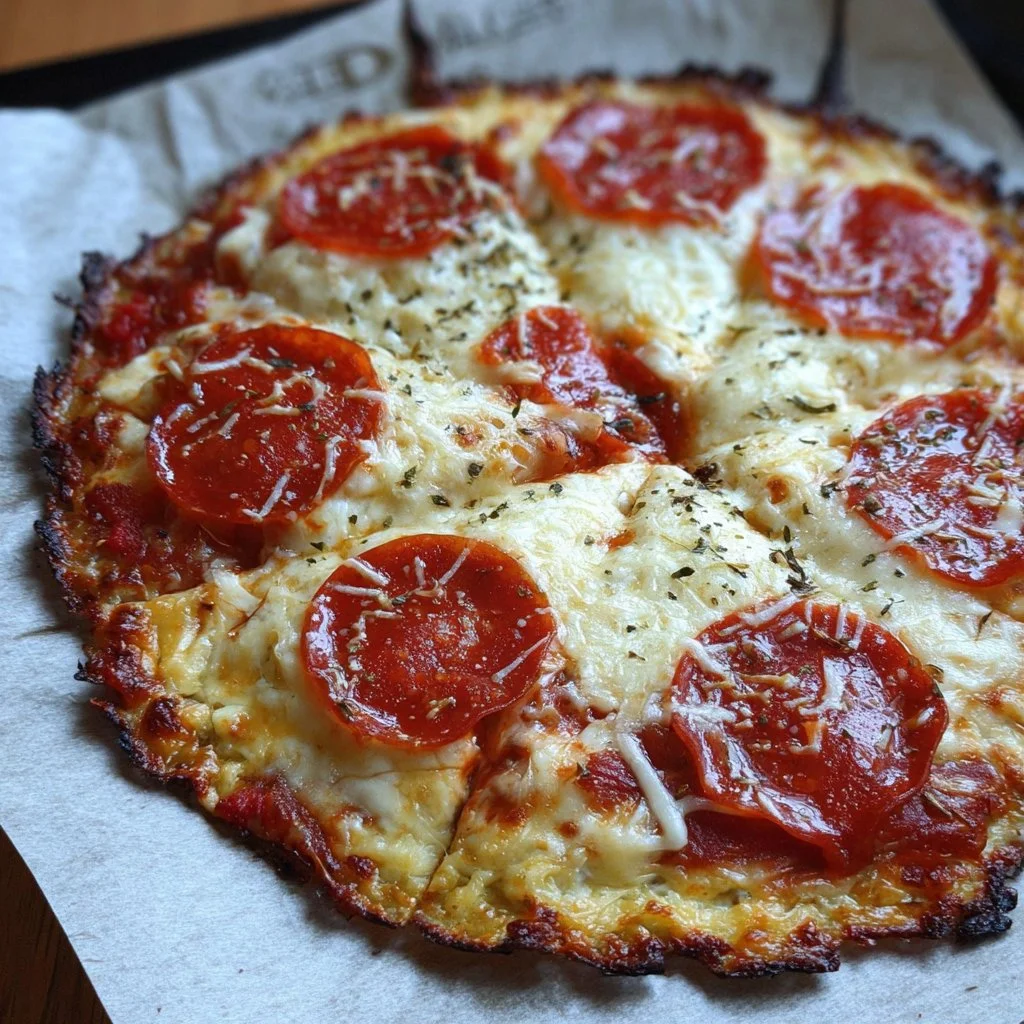
The first time I made this viral cottage cheese flatbread pizza, I was skeptical — could cottage cheese really replace flour and still crisp up like a pizza base?
It turned out to be light, tangy, and unexpectedly crisp on the edges, with a tender, custardy interior that holds toppings beautifully.
If you want a quick weeknight pizza or a low-carb alternative that actually tastes like real pizza, this one delivers every time.
If you like cottage cheese in savory recipes, you might also enjoy a creamy avocado cottage cheese smoothie for breakfast.
Why You’ll Love This Recipe
- Fast: ready in about 40–45 minutes from start to finish.
- Low-effort: blender does the heavy lifting — no kneading, no rising.
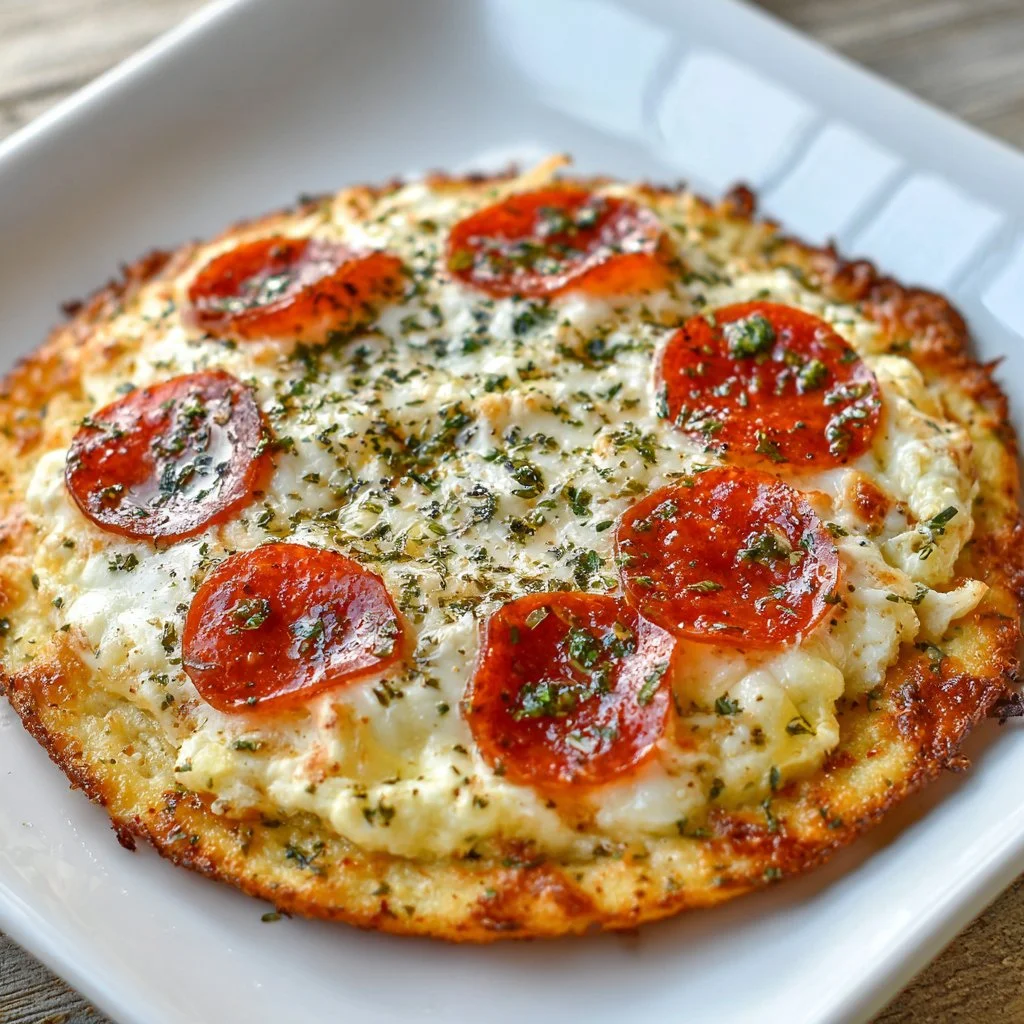
- Texture: creamy interior with a slightly crisp, golden rim.
- Flexible: top it however you like — pepperoni, veggies, or fresh herbs.
- Protein-packed: cottage cheese and eggs give a satiating boost.
The mouthfeel is the star here. The baked cottage cheese base is soft and almost custardy in the center, with a thin golden crust that browns around the edges. Once sauced and cheesed, the base holds up under toppings without becoming soggy, so every bite has a balance of creamy base, tangy sauce, and gooey cheese.
"Five stars — I made this for dinner and my family couldn’t believe it wasn’t a traditional dough. Crispy edges, great flavor, and so easy." — reader Anna M.
Key Ingredients
Cottage cheese (1 cup)
Cottage cheese is the foundation of the flatbread. Full-fat cottage cheese gives the creamiest texture and better browning; if you use low-fat, expect a slightly drier base. Brands with larger curds blend smoothly, but if you prefer a uniform texture, give it a quick pulse in the blender before adding eggs.
Eggs (2)
Eggs are the binder that sets the cottage cheese into a sliceable flatbread. They add structure and a little richness, so don’t skip them — they’re crucial for the custard-like interior and golden color.
Grated cheese (3.5 ounces — Gouda, Edam, or mozzarella)
The grated cheese on top melts and creates the classic pizza pull. Mild, melty cheeses like mozzarella give a traditional pizza feel; smoked Gouda adds depth and a slightly sweet, smoky note. Use pre-shredded only if you’re short on time — freshly shredded melts better.
Pizza sauce (2/3 cup)
A good pizza sauce adds acidity and herbs that cut through the rich base. Use a simple, high-quality jarred sauce or a quick crushed tomato seasoned with oregano and a pinch of salt for the best flavor.
Full ingredient list
- 1 cup cottage cheese
- 2 eggs
- 1/2 teaspoon garlic powder
- 1 teaspoon Italian herb mix
- Salt and freshly ground black pepper to taste
- 2/3 cup pizza sauce
- 3.5 ounces grated cheese (Gouda, Edam, or mozzarella)
- 2 ounces pepperoni
Step-by-Step Instructions
Step 1: Preheat and prepare
Preheat your oven to 350°F (180°C).
Line a baking sheet with parchment paper to prevent sticking and make transfer easy.
Pro Tip: Use a rimless baking sheet if you have one — it helps the edges brown evenly.
Step 2: Blend the base
In a blender, combine the cottage cheese, eggs, garlic powder, a pinch of salt, black pepper, and the Italian herb mix.
Blend until entirely smooth and pourable; you want a uniform batter with no visible curds.
Pro Tip: Scrape down the blender once and give it an extra 5–10 seconds if you see lumps. The smoother the batter, the better the texture.
Step 3: Shape the flatbread
Pour the blended mixture onto the parchment-lined sheet and spread it into a thin circle about 8–10 inches across.
Aim for an even thickness so it bakes uniformly; thin edges brown faster than a thicker center.
Pro Tip: Dip a spoon in water and use it to smooth the top — wet utensils help prevent sticking.
Step 4: First bake — set and brown
Bake at 350°F (180°C) for 30 minutes, or until the base is set and the edges are a soft golden brown.
The center should be firm to the touch, not wobbly.
Pro Tip: You’ll know it’s ready when the top loses its glossy sheen and the edges pull slightly from the parchment.
Step 5: Add toppings and finish
Increase the oven temperature to 400°F (200°C).
Spread the pizza sauce evenly over the baked flatbread, sprinkle the grated cheese, and top with pepperoni.
Return to the oven and bake for 8–10 minutes, until the cheese is melted and bubbly and the pepperoni edges have crisped.
Pro Tip: For extra crisp pepperoni, broil for 30–60 seconds at the end — watch closely to avoid burning.
Expert Tips for Success
- Oven calibration matters: Use an oven thermometer and trust the thermometer, not the dial. If your oven runs hot, the base can overbrown before it fully sets; if it runs cool, the inside may stay too soft. Adjust temperature by 10–15°F if needed.
- Blender technique: Pulse first, then blend on medium-high for a smooth batter. If your blender struggles, blend in two batches or use an immersion blender in a tall jar. A perfectly smooth batter guarantees an even crumb.
- Parchment and spacing: Parchment paper is essential — it prevents sticking and helps the flatbread crisp on the bottom. Bake on a single sheet; crowding or layering will trap steam and make things soggy.
- Cheese selection and quantity: 3.5 ounces gives a good cheese coverage without overwhelming the base. For more stretch and milder flavor, choose whole-milk mozzarella. For more character, swap half for smoked Gouda. Freshly shredded cheese melts cleaner than pre-shredded blends that contain anti-caking agents.
- Timing for toppings: Add delicate toppings like fresh basil after the final bake to keep them bright. Heartier toppings (mushrooms, pre-roasted peppers) can go on before the final bake. If you add raw vegetables with high water content, sauté or roast them briefly first to avoid sogginess.
- Texture troubleshooting: If your base is too wet after the first bake, it likely needed more blending or a slightly hotter first bake. Try extending the initial bake by 3–5 minutes next time. If it’s crumbly, reduce blending time slightly and ensure eggs are measured accurately.
- Scaling and pans: To make two smaller flatbreads, split the batter and reduce baking time by 3–5 minutes. If using a convection setting, reduce the temperature by 15–20°F and check 5–7 minutes earlier.
- Flavor layering: Season the base batter lightly — garlic powder and Italian herbs are subtle but important. Taste your pizza sauce before using; if it’s very sweet, add a squeeze of lemon or a pinch of red pepper flakes to balance.
- Equipment tip: A rimless pizza steel or preheated baking stone shortens time to crisp and gives better bottom browning, but parchment is still helpful for handling.
- Make-ahead trick: Bake the blank flatbread ahead, cool completely, and store in the fridge for up to 48 hours. Re-top and bake at 400°F until bubbly for a quick meal.
Storage & Freezing
Fridge: Cool the baked flatbread to room temperature, then wrap it tightly in plastic wrap or place it in an airtight container.
Store in the fridge for up to 3 days for best quality.
Freezer: For longer storage, fully bake the flatbread (either plain or with toppings), cool completely, then wrap in plastic wrap and foil, or place in a freezer-safe bag.
Freeze for up to 2 months; label with the date.
Reheating: From the fridge, reheat slices on a baking sheet at 375°F (190°C) for 6–10 minutes until warmed and the cheese is melty.
From frozen, bake at 375°F for 12–18 minutes, or thaw overnight in the fridge and reheat as above.
Microwave will work in a pinch but will make the base softer; for the best texture, use the oven or a toaster oven.
Variations & Substitutions
Veggie supreme: Swap pepperoni for a mix of sautéed mushrooms, roasted red peppers, and spinach. Finish with torn basil.
Low-FODMAP or garlic-free: Omit garlic powder and use chives or a pinch of asafoetida in savory dishes if you need a garlic substitute.
Dairy swap: If you need less dairy, use low-fat cottage cheese and a lighter grated cheese, but expect a slightly less rich mouthfeel.
Flavor add-ins: Stir 1 teaspoon of red pepper flakes into the sauce for heat, or add 1 tablespoon of nutritional yeast to the batter for a cheesy, savory boost.
Sweet-savory twist: For a brunch-style flatbread, top with ricotta, thinly sliced peaches, and a drizzle of honey after baking; try this with a summer fruit pairing like the cottage cheese peach smoothie idea from this peach smoothie recipe to inspire flavors.
Frequently Asked Questions
Q: Is this flatbread gluten-free?
A: Yes, the base contains no flour and is naturally gluten-free, assuming your cottage cheese and other ingredients are labeled gluten-free. Always check processed ingredients like sauces for hidden wheat or cross-contamination warnings.
Q: Can I make the batter without a blender?
A: You can, but it’s harder to get a uniform texture. Use an immersion blender or whisk vigorously and press the cottage cheese through a fine-mesh sieve to break up curds. For the best, most consistent result, a countertop blender or high-speed immersion blender is recommended. If you need more cottage-cheese recipe ideas, try a fruit-forward option like the cottage cheese blueberry smoothie.
Q: Will the flatbread be soggy under heavy toppings?
A: Not if you follow the bake times and avoid very watery toppings. Pre-roasting vegetables, using a modest amount of sauce, and ensuring the base is fully set in the first bake prevents sogginess. For extra protection, brush a thin layer of oil over the base before saucing to create a moisture barrier.
Q: Can I make this ahead for a party?
A: Yes. Bake the base ahead of time and cool completely. Store the plain bases in the fridge for up to 48 hours or freeze for up to 2 months. Re-top and bake at 400°F until bubbly when you’re ready to serve. For appetizer-sized versions, cut into smaller rounds and use mini pepperoni or roasted cherry tomatoes.
Q: Are there sweet versions of this base?
A: Absolutely. Reduce garlic and herbs and add a teaspoon of vanilla or a tablespoon of honey to the batter, then top with ricotta and fruit after baking. If you enjoy fruity cottage cheese treats, check the tropical mango smoothie for flavor inspiration.
Final Thoughts
This viral cottage cheese flatbread pizza is an easy, protein-rich weeknight solution that delivers real pizza satisfaction with half the fuss.
Give the base a smooth blend, bake until set, and be adventurous with toppings.
Conclusion
If you want to compare versions or see how others built the trend, check the original recipe inspiration at rachLmansfield’s write-up of the viral cottage cheese flatbread.
For a helpful alternate technique and variations, I also like the tips in this Cottage Cheese Flatbread Recipe – The Protein Chef.
Please leave a star rating in the recipe card below and pin this to Pinterest if you try it!
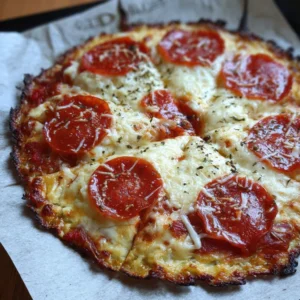
Cottage Cheese Flatbread Pizza
Ingredients
For the base
- 1 cup cottage cheese Full-fat cottage cheese is recommended for the best texture.
- 2 eggs These provide structure and richness.
- 1/2 teaspoon garlic powder
- 1 teaspoon Italian herb mix
- to taste Salt and freshly ground black pepper
For the toppings
- 2/3 cup pizza sauce A high-quality jarred sauce or seasoned crushed tomatoes works well.
- 3.5 ounces grated cheese (Gouda, Edam, or mozzarella) Freshly shredded cheese melts better than pre-shredded.
- 2 ounces pepperoni Optional; can be substituted with veggies.
Instructions
Preparation
- Preheat your oven to 350°F (180°C) and line a baking sheet with parchment paper.
- In a blender, combine cottage cheese, eggs, garlic powder, a pinch of salt, black pepper, and Italian herb mix. Blend until smooth.
- Pour the mixture onto the prepared baking sheet and spread into a thin circle, about 8–10 inches across.
Baking the Base
- Bake for 30 minutes or until set and edges are golden brown.
Adding Toppings
- Increase oven temperature to 400°F (200°C). Spread pizza sauce over the baked flatbread, sprinkle with grated cheese, and top with pepperoni.
- Return to the oven and bake for 8–10 minutes, until cheese is melted and bubbly.