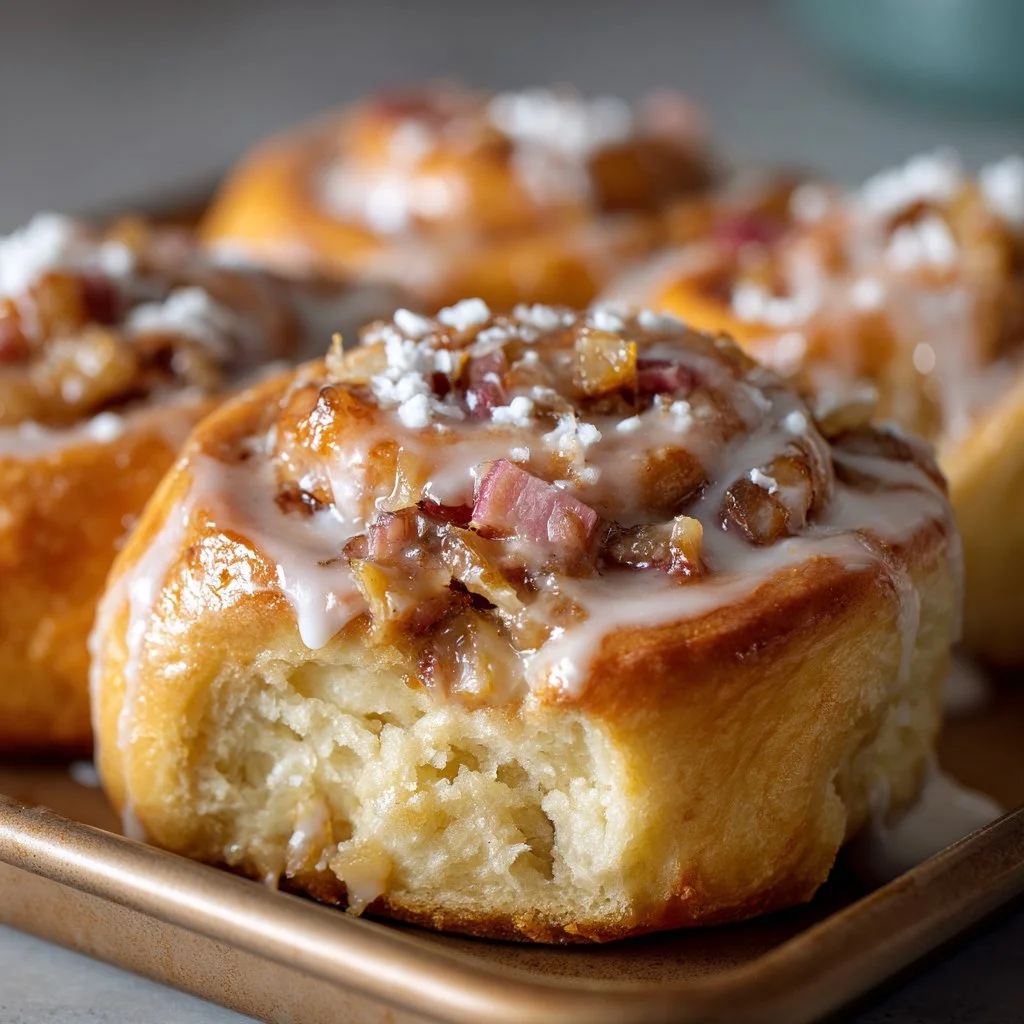
A warm, tangy swirl of early-spring rhubarb tucked into pillowy, buttery rolls — that’s what these sticky buns deliver.
They smell like cinnamon and butter as they bake, and they taste like a slightly tart surprise inside a sweet, gooey roll.
Make them for brunch, a coffee cake swap, or a seasonally show-stopping dessert.
These buns are forgiving for home bakers, and the rhubarb keeps them bright and fresh.
If you like soft rolls and sticky sweets, you’ll want to bookmark this recipe and try variations.
For another roll-focused how-to, try a related soft-bread technique at crispy pan-fried cabbage and savory noodle buns to practice shaping and rolling skills.
Why You’ll Love This Rhubarb Sticky Buns
- Bright, tart rhubarb balances brown sugar sweetness.
- Soft, enriched dough yields tender, buttery rolls.
- Easy yeast method uses instant yeast for reliability.
- A simple glaze keeps the topping light and not overpowering.
- Great for spring mornings, potlucks, or dessert trays.
- Freezes well for make-ahead treats.
The flavor is a harmony of tart rhubarb and warm cinnamon, wrapped in a soft, enriched dough that’s slightly sweet.
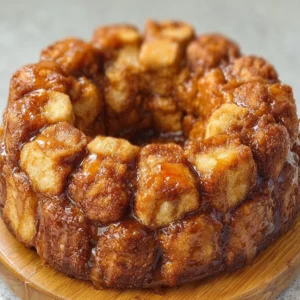
The texture should be pillowy in the center, with a sticky, caramelized edge and a thin vanilla glaze on top.
"5 stars — These tasted like spring in a pastry! The rhubarb was bright and the rolls were soft and not too sweet. Family favorite now." — a satisfied reader
Key Ingredients for Rhubarb Sticky Buns
Milk — Milk hydrates the dough and adds richness and tenderness.
Use whole milk for best flavor; skim will make dough less tender and lower browning.
If you must swap, use an equal amount of nut milk or water, but expect slight texture differences.
Instant yeast — Instant yeast gives quick, reliable rise without proofing separately.
Buy fresh packets and store in the fridge or freezer to keep activity high.
If substituting active dry yeast, proof it in warm milk first and use about 25% more by weight.
Unsalted butter — Butter adds flavor, flakiness, and richness to the dough and the filling.
Buy European-style butter for higher fat content if you want a richer roll.
If swapping for margarine or oil, expect less flavor and a softer crust.
Fresh rhubarb — Rhubarb gives acidity and structure to the filling so the sweet balance isn’t cloying.
Choose firm, brightly colored stalks and trim fibrous ends and leaves (leaves are toxic).
Frozen rhubarb can work if thawed and drained well, but may add extra moisture that needs to be reduced.
Full Ingredient List for Rhubarb Sticky Buns
- 2 cups all-purpose flour
- 1/4 cup granulated sugar
- 1 packet instant yeast
- 1/2 teaspoon salt
- 1/2 cup milk
- 1/4 cup unsalted butter
- 1 large egg
- 1 cup chopped fresh rhubarb
- 1 teaspoon cinnamon
- 1/2 cup brown sugar
- 1/4 cup powdered sugar
- 2 tablespoons water
- 1 teaspoon vanilla extract
Step-by-Step Instructions for Rhubarb Sticky Buns
Step 1: Mix the dough
In a large bowl, whisk together the flour, granulated sugar, instant yeast, and salt until evenly distributed.
Heat the milk and butter in a small saucepan just until warm and the butter begins to melt; don’t scald.
Add the warm liquid and the egg to the dry ingredients and stir until a shaggy dough forms.
Pro Tip: The dough should feel slightly tacky but pull away from the bowl — if it’s dry, add a teaspoon of warm milk at a time until it comes together.
Step 2: Knead and first rise
Turn the dough onto a lightly floured surface and knead for about 5 minutes until smooth and elastic.
Place the dough in a lightly oiled bowl, cover with a towel or plastic wrap, and let rise in a warm place until doubled, about 1 hour.
Pro Tip: The dough surface should look puffy and a gentle poke should slowly spring back; if it deflates, it overproofed.
Step 3: Preheat oven
When the dough is nearly doubled, preheat your oven to 375°F (190°C).
This temperature gives a good rise in the oven and a golden crust without burning the sugar.
Pro Tip: The oven should be fully preheated so the rolls bake immediately; a ripe oven smell and consistent heat are good cues.
Step 4: Prepare the filling and roll out dough
Roll the dough into a rectangle about 12×8 inches. In a bowl, combine the chopped rhubarb, cinnamon, and brown sugar until evenly coated.
Spread the rhubarb mixture evenly over the dough, leaving a small border at one long edge.
Pro Tip: The rhubarb should look glossy and sticky, not watery; if juices run, blot gently with a paper towel.
Step 5: Shape the rolls and second rise
Tightly roll the dough from the long side into a log and pinch the seam to seal. Cut into equal rolls (about 8 pieces) and place cut-side up in a greased baking dish.
Cover and let the rolls rise for about 30 minutes until slightly puffy.
Pro Tip: Rolls should look rounded and lightly puffed; they shouldn’t double again — just noticeably fuller.
Step 6: Bake until golden
Bake for 25–30 minutes until golden brown and set in the center. If the tops brown too quickly, tent loosely with foil.
Remove from the oven and let sit for 5 minutes before glazing.
Pro Tip: The tops should be golden with slightly caramelized edges; the center should reach about 190°F if using an instant-read thermometer.
Step 7: Glaze and serve
Whisk together the powdered sugar, water, and vanilla until smooth. Drizzle over warm buns and serve while still slightly warm.
Pro Tip: The glaze should be pourable but not watery; it will set to a thin sheen on the buns as it cools.

For a different roll technique and icing style, see this shaping guide that pairs well with sticky fillings at hot dog buns shaping and proofing tips.
Expert Tips for Rhubarb Sticky Buns
- Use room-temperature ingredients so the dough comes together evenly and the yeast activates reliably.
- Keep milk between 100–110°F when mixing with yeast; hotter will kill yeast, colder slows rise.
- If your dough feels dense after kneading, it may be under-kneaded — knead a few more minutes until elastic.
- For texture balance, chop rhubarb into small, even pieces so it releases juice uniformly during baking.
- Use a glass or light-colored metal pan for even browning; dark pans can over-brown the bottoms.
- Avoid overfilling the rolls with rhubarb; excess moisture can make the center soggy.
- Cool for a few minutes before glazing so the glaze doesn’t completely melt away, but glaze while warm for best sheen.
- Common mistake: Salt omitted or reduced too much — it’s small in measure but critical for flavor contrast and yeast control.
For pairing ideas and sticky-sweet recipes to contrast with these buns, check a sticky-sauce inspiration at sticky chicken rice bowls.
Storage & Freezing for Rhubarb Sticky Buns
Fridge storage: Store cooled buns in an airtight container in the refrigerator for up to 3 days.
They will firm up in cold but regain softness when gently warmed.
Freezer storage: Wrap buns individually in plastic wrap and place in a freezer-safe bag or container for up to 3 months.
For best quality, remove as much air as possible to prevent freezer burn.
Thawing and reheating: Thaw overnight in the fridge or for a few hours at room temperature.
Reheat in a 325°F oven for 8–10 minutes or microwave a single bun for 20–30 seconds until warm.
Use a microwave-safe cover or a paper towel to retain moisture.
Variations & Substitutions for Rhubarb Sticky Buns
Strawberry-rhubarb swirl: Replace half the rhubarb with chopped strawberries and reduce sugar slightly.
Result: softer, sweeter filling with a jammy texture that complements the tart rhubarb.
Maple pecan topping: Swap the powdered sugar glaze for a warm maple glaze and scatter toasted pecans on top.
Result: deeper, nutty flavor and added crunch that pairs well with cinnamon.
Mascarpone frosting finish: Replace the simple glaze with a spoonful of sweetened mascarpone mixed with vanilla.
Result: a richer, creamier finish similar to bakery-style sticky buns and great for brunch.
Vegan adaptation: Use plant-based milk and vegan butter, and replace the egg with a flax egg (1 tbsp ground flax + 3 tbsp water).
Result: slightly different crumb and browning, but still tender and flavorful.
Frequently Asked Questions About Rhubarb Sticky Buns
Q: Can I use frozen rhubarb in Rhubarb Sticky Buns?
A: Yes. Thaw frozen rhubarb fully, drain off excess liquid, and pat dry. Use a slight reduction in added sugar if rhubarb seems very sweet. If frozen rhubarb still releases a lot of juice, cook it briefly with brown sugar to reduce moisture before filling.
Q: How do I prevent soggy bottoms in Rhubarb Sticky Buns?
A: Avoid overfilling the rolls and blot excess rhubarb juice before spreading. Use a light layer of filling and bake on the center rack. A metal pan transfers heat well and helps set the bottom faster.
Q: Can I make the dough ahead for Rhubarb Sticky Buns?
A: Yes. After the first rise, shape the rolls and refrigerate the covered pan overnight. Allow to come to room temperature and rise for 30–45 minutes before baking. This slow proof develops flavor.
Q: Why didn’t my Rhubarb Sticky Buns rise?
A: Possible causes: old yeast, water/milk too hot or cold, or salt touching yeast in dry mix. Check yeast freshness, ensure warm liquid is 100–110°F, and keep salt away from direct contact with yeast during mixing.
Q: How can I make Rhubarb Sticky Buns sweeter or less tart?
A: Adjust brown sugar in the filling upward for more sweetness, or add a sprinkle of granulated sugar before rolling. To reduce tartness, mix in a small amount (1–2 tbsp) of strawberries or apple to balance the rhubarb’s acidity.

Final Thoughts on Rhubarb Sticky Buns
These Rhubarb Sticky Buns are a bright, buttery way to celebrate rhubarb season and make a memorable brunch or dessert.
If you enjoy this recipe, please leave a star rating in the recipe card below and pin it to Pinterest to save for later.
For more inspiration and a different take on ooey-gooey rhubarb rolls, check out How to Make Sticky Rhubarb Cinnamon Buns (ooey gooey good).
For a classic community-sourced approach, compare techniques with this Rhubarb Sticky Buns Recipe – Food.com.
If you’re craving a rich, tangy frosting variation, see this recipe for Rhubarb Sticky Buns with Vanilla Bean Mascarpone Frosting.

Rhubarb Sticky Buns
Ingredients
Dough
- 2 cups all-purpose flour
- 1/4 cup granulated sugar
- 1 packet instant yeast Use fresh packets for best results.
- 1/2 teaspoon salt Critical for flavor and yeast control.
- 1/2 cup milk Whole milk preferred for richness.
- 1/4 cup unsalted butter For richer rolls, use European-style butter.
- 1 large egg Room temperature is best.
Filling
- 1 cup chopped fresh rhubarb Choose firm, brightly colored stalks.
- 1 teaspoon cinnamon
- 1/2 cup brown sugar Adjust quantity for desired sweetness.
Glaze
- 1/4 cup powdered sugar
- 2 tablespoons water
- 1 teaspoon vanilla extract
Instructions
Preparation
- In a large bowl, whisk together flour, granulated sugar, instant yeast, and salt until evenly distributed.
- Heat the milk and butter in a small saucepan until warm and the butter begins to melt.
- Add the warm liquid and egg to dry ingredients and stir until a shaggy dough forms.
- Turn the dough onto a lightly floured surface and knead for about 5 minutes until smooth and elastic.
- Place the dough in a lightly oiled bowl, cover, and let rise in a warm place until doubled, about 1 hour.
Baking
- Preheat the oven to 375°F (190°C).
- Roll out the dough into a rectangle about 12x8 inches. Prepare the filling by combining chopped rhubarb, cinnamon, and brown sugar in a bowl.
- Spread the filling evenly over the dough, leaving a small border at one long edge.
- Roll the dough tightly from the long side into a log and cut into 8 equal pieces.
- Place rolls cut-side up in a greased baking dish. Cover and let rise for about 30 minutes.
- Bake for 25–30 minutes until golden brown and set in the center.
- Let cool for 5 minutes before glazing.