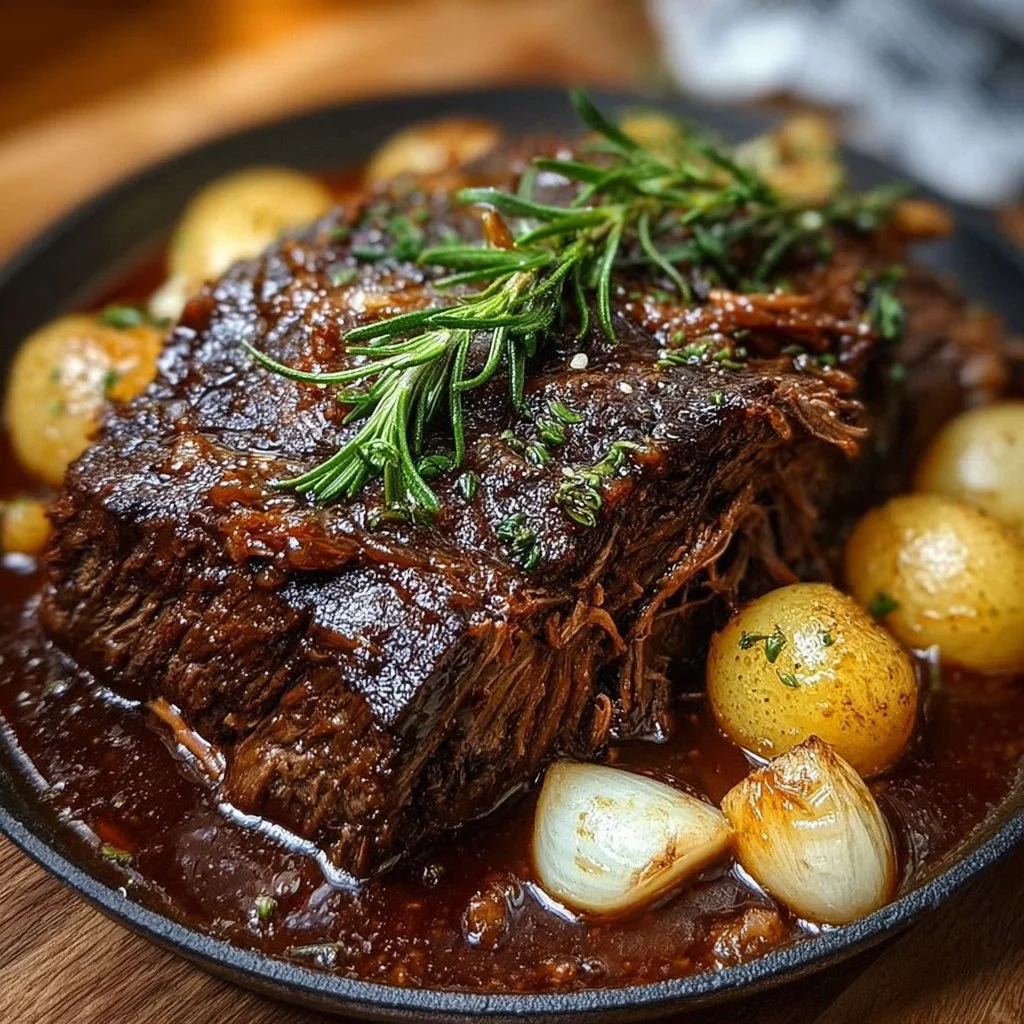
The first time I made this honey balsamic chuck roast, my whole house smelled like a cozy bistro on a rainy night.
It braided sticky-sweet balsamic and honey with deep beefy richness into one slow-cooked hug of a meal.
If you want a hands-off dinner that slices or shreds beautifully and still looks fancy on the plate, this is the one.
This recipe wins because it’s forgiving, tastes complex with minimal effort, and uses pantry-friendly ingredients.
It’s perfect for busy weeknights, Sunday suppers, or a special meal when you’d rather spend time with guests than the stove.
Why You’ll Love This Recipe
- Hands-off slow cooking that still produces a restaurant-worthy crust and glaze.
- Balanced sweet-tangy sauce that caramelizes without becoming cloying.
- Chuck roast becomes fork-tender and either slices or shreds for different meals.
- Uses simple pantry ingredients you probably already have.
The mouthfeel is what sells this dish: the exterior develops a browned, slightly caramelized edge from searing, while the interior turns plush and shreddable after long, low heat. The honey and balsamic build a glossy sauce that clings to the meat and melts into the fibers as it cooks. Herbs and garlic lift the profile so the finish is bright, not heavy.
“I made this for guests and everyone asked for seconds — the sauce is perfect and the roast shredded like butter. Five stars!” — Hannah, reader
Key Ingredients
Chuck roast (3–4 pounds)
A well-marbled chuck is the backbone of this recipe. The intramuscular fat melts during low, slow cooking and keeps the meat moist. Choose a roast with visible marbling and a relatively even shape so it cooks uniformly.
Balsamic vinegar (1/2 cup)
Good-quality aged balsamic gives depth and a slightly syrupy tang that balances the honey. You don’t need an expensive bottle, but avoid the thinnest supermarket vinegars labeled “for salad dressing” if you can; look for one with a syrupy consistency or labeled aged.
Honey (1/4 cup)
Honey provides sweetness and helps the sauce glaze the meat as it reduces. Use a mild floral honey (clover or wildflower) for a balanced sweetness; stronger varietals like buckwheat can overpower the balsamic.
Garlic (4 cloves, minced) and fresh herbs (rosemary & thyme)
Fresh garlic and fresh herbs are crucial. They infuse the cooking liquid with aromatic compounds that permeate the meat. Dried herbs will work in a pinch, but fresh rosemary and thyme give a bright, savory counterpoint to the sweet glaze.
Full ingredient list:
- 3–4 pounds chuck roast
- 1/2 cup balsamic vinegar
- 1/4 cup honey
- 1 cup beef broth
- 4 cloves garlic, minced
- 1 tablespoon rosemary, chopped
- 1 tablespoon thyme, chopped
- Salt and pepper to taste
- Olive oil for searing
Step-by-Step Instructions
Step 1: Dry and season the roast
Pat the chuck roast dry with paper towels.
Season all sides generously with salt and freshly ground black pepper.
Pro Tip: Drying the surface removes moisture and helps get a better sear. You’ll know it’s ready when the salt draws slightly into the surface and the roast looks matte, not wet.
Step 2: Sear to build flavor
Heat olive oil in a large skillet over medium-high heat until shimmering.
Sear the roast on all sides until browned, about 3–4 minutes per side.
Pro Tip: Don’t crowd the pan. A properly hot pan gives you that deep brown crust; if the oil smokes, lower the heat slightly. Visual cue: the roast should have a deep mahogany color, not gray.
Step 3: Whisk the sauce
In a mixing bowl, whisk together balsamic vinegar, honey, beef broth, minced garlic, chopped rosemary, and chopped thyme.
Adjust seasoning to taste.
Pro Tip: Taste the sauce before adding. If it feels too sharp, a pinch of salt or an extra teaspoon of honey will round it out. The aroma should be bright and garlicky with a sweet-savory balance.
Step 4: Transfer to slow cooker
Place the seared roast in the slow cooker and pour the balsamic mixture over the top.
Transfer any juices from the skillet into the cooker.
Pro Tip: Scrape the fond (browned bits) from the skillet into the cooker — that’s concentrated flavor. The liquid should come about halfway up the roast; if not, add a splash more beef broth.
Step 5: Slow cook until tender
Cover and cook on LOW for 8 hours, or until the chuck is fork-tender.
The roast will pull apart easily when it’s done.
Pro Tip: Resist the urge to lift the lid during cooking. If the roast isn’t fork-tender at 8 hours, check again at 9; chuck varies by cut and oven/slow-cooker heat.
Step 6: Rest and finish
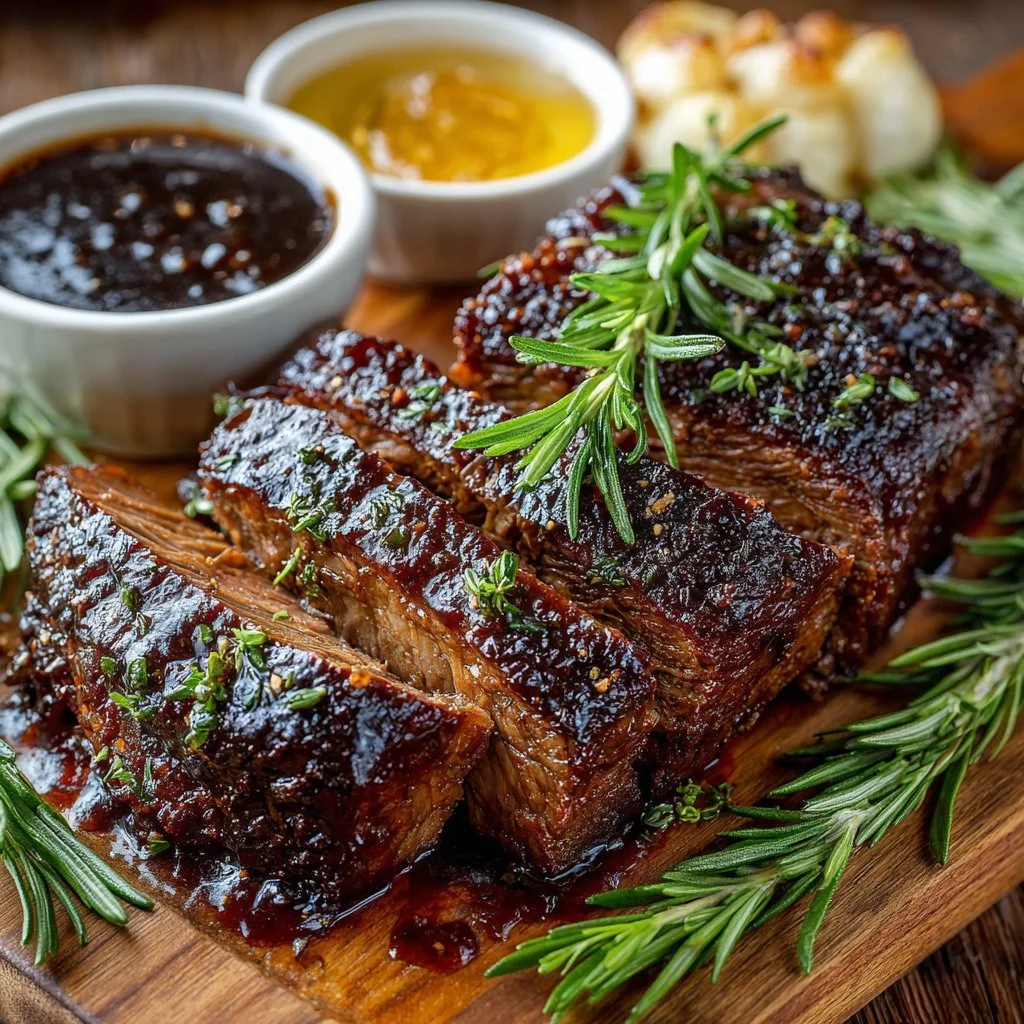
Let the roast rest for 10 minutes before slicing or shredding.
Spoon the cooking juices over the meat before serving.
Pro Tip: Resting lets the juices redistribute so slices stay moist. If you want a thicker sauce, transfer cooking liquid to a saucepan and simmer it until reduced to a glaze.
Expert Tips for Success
-
Temperature control for searing: Use medium-high heat and a heavy skillet (cast iron is ideal). Heat the pan until the oil just shimmers. Sear without moving the roast for at least 3 minutes per side to develop a true Maillard crust. This step adds a depth of flavor you can’t get from slow cooking alone.
-
Choosing the right slow-cooker setting: Cook on LOW for 8 hours for tender, shreddable meat. If you must cook on HIGH, expect 4–5 hours and check earlier. Low-and-slow breaks down collagen gently and produces a silkier texture.
-
Don’t skip resting time: Even though this is a slow-cooked roast, a 10-minute rest is essential. Rest keeps juices from running out the moment you slice and prevents the meat from drying on the plate.
-
Sauce adjustments and thickening: If the final sauce is too thin, remove meat and simmer the liquid on the stove until it reduces and thickens. For a glossy finish, whisk in a small knob of butter off heat. If it’s too tart, add a teaspoon of honey at a time until balanced.
-
Herb timing and impact: Fresh rosemary and thyme during the cook keep the sauce aromatic. If you prefer a cleaner herb flavor, add half the herbs in the sauce and reserve half to scatter over the roast after slicing.
-
Equipment and capacity: Pick a slow cooker large enough to fit the roast without crowding. A 6-quart slow cooker works well for 3–4 pounds. If your roast is very large, consider cutting it into two pieces so it fits and cooks evenly.
-
Troubleshooting dryness: If your roast tastes dry, it may have been overcooked or too lean. Shred the meat and toss it with reduced cooking liquid to rehydrate. Using the pan juices as a finishing glaze helps bring moisture back into sliced pieces.
-
Make-ahead and day-of tips: The roast often tastes better the next day after flavors have melded. Reheat gently in a low oven or simmered on the stove to avoid drying.
Storage & Freezing
Fridge storage: Cool the roast to room temperature, then store in an airtight container.
Use within 3–4 days for best flavor and safety.
Freezing: For longer storage, portion the roast into airtight freezer-safe containers or heavy-duty freezer bags.
Freeze for up to 3 months for best quality. Label with the date and leftover contents.
Thawing and reheating: Thaw overnight in the refrigerator.
Reheat gently in a covered baking dish at 300°F (150°C) with a splash of the reserved cooking liquid to keep meat moist. Alternatively, reheat in a skillet over low heat, covered, until warmed through.
Reheating from frozen: If pressed for time, reheat frozen portions in a covered slow cooker on LOW until warmed through, adding a little beef broth to prevent drying.
Preventing freezer burn: Remove as much air as possible from bags and use freezer-safe containers. Wrap the roast in plastic wrap and then foil for extra protection.
Variations & Substitutions
Mediterranean twist: Add a splash of red wine and a few crushed olives to the sauce.
Finish with a sprinkle of chopped parsley and lemon zest for brightness.
Smoky-sweet variation: Stir in 1–2 teaspoons of smoked paprika and swap half the honey for maple syrup.
This gives a barbecue-like profile that pairs well with roasted root vegetables.
Low-sugar swap: Use a sugar-free honey substitute or reduce honey to 2 tablespoons and increase balsamic by 1–2 tablespoons.
Add a grated carrot to the sauce for natural sweetness and body.
Herb-forward option: Replace rosemary and thyme with fresh oregano and a bay leaf.
This changes the aroma profile toward Italian-style braises.
Frequently Asked Questions
Q: Can I use a different cut of beef for this recipe?
A: Yes. Chuck is ideal because of its marbling and connective tissue, which break down into gelatin during long cooking. Brisket will also work but may need slightly longer cook times. Eye of round or sirloin tip are leaner and can dry out unless monitored closely.
Q: How thick should I slice the roast for serving?
A: For presentation, slice about 1/4-inch thick across the grain for tender, even bites. For pulled-style dishes like sandwiches, shred with two forks after the meat reaches a fork-tender stage.
Q: Can I cook this in an oven instead of a slow cooker?
A: Yes. Place the seared roast in a Dutch oven with the sauce, cover tightly, and cook at 300°F (150°C) for about 3–4 hours, or until fork-tender. Check after 3 hours—oven temperatures vary.
Q: Is there a way to make the sauce less sweet?
A: Reduce the honey by half and increase the balsamic slightly, or add a splash of beef broth and a squeeze of lemon to introduce more acidity. Tasting and adjusting before cooking gives you better control of the final balance.
Q: How can I thicken the sauce without using cornstarch?
A: Remove the liquid and simmer it down on the stovetop until it reaches desired thickness. Alternatively, whisk in a small amount of butter off heat for sheen and slight thickening from emulsification.
Final Thoughts
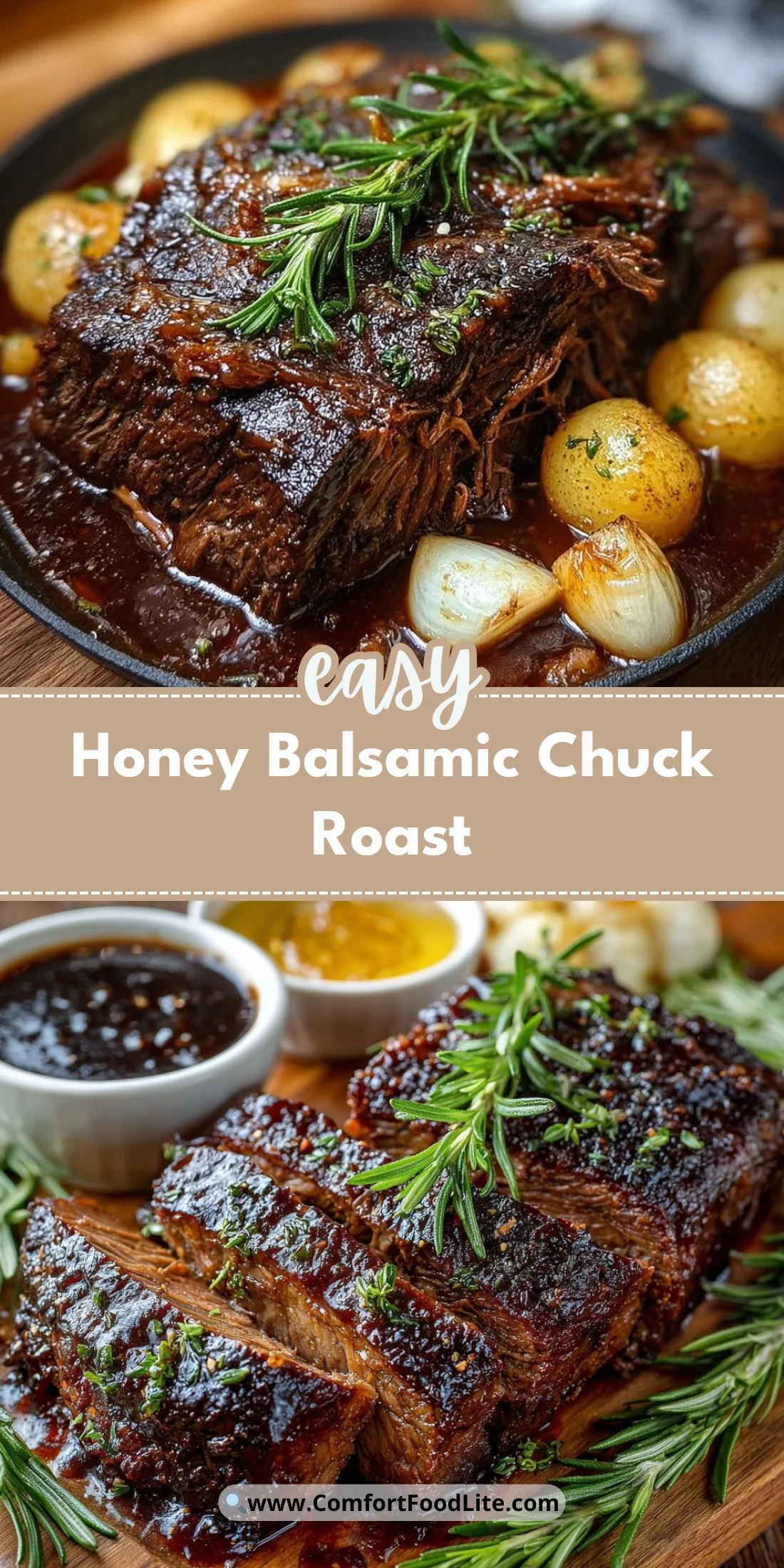
This honey balsamic chuck roast is one of those make-ahead dinners that rewards patience with big flavor and easy leftovers.
If you try it, please leave a star rating in the recipe card below and pin this to Pinterest to save for later.
Conclusion
For a similar honey-balsamic approach with different ratios and cook tips, see this detailed version at Honey Balsamic Chuck Roast – Cooking For My Soul.
If you want a comparison of slow-cooker techniques and serving ideas, check out the Balsamic Slow Cooker Roast Beef post for another perspective.
For a modern take on the glaze and step-by-step photos, this Slow Cooker Honey Balsamic Beef Recipe – Modern Honey article is a helpful visual companion.
Honey Balsamic Chuck Roast
Ingredients
Main Ingredients
- 3–4 pounds chuck roast Choose a well-marbled roast for moisture.
- 1/2 cup balsamic vinegar Use good-quality aged balsamic.
- 1/4 cup honey Mild floral honey is recommended.
- 1 cup beef broth
- 4 cloves garlic, minced Fresh garlic is crucial for flavor.
- 1 tablespoon rosemary, chopped Use fresh rosemary for best results.
- 1 tablespoon thyme, chopped Fresh thyme adds brightness.
- to taste salt and pepper Adjust seasoning as desired.
- as needed olive oil for searing Use for the initial browning process.
Instructions
Preparation
- Pat the chuck roast dry with paper towels and season all sides generously with salt and freshly ground black pepper.
- Heat olive oil in a large skillet over medium-high heat until shimmering.
- Sear the roast on all sides until browned, about 3–4 minutes per side.
Cooking
- In a mixing bowl, whisk together balsamic vinegar, honey, beef broth, minced garlic, chopped rosemary, and chopped thyme. Adjust seasoning to taste.
- Place the seared roast in the slow cooker and pour the balsamic mixture over the top. Transfer any juices from the skillet into the cooker.
- Cover and cook on LOW for 8 hours, or until fork-tender.
Finishing Touches
- Let the roast rest for 10 minutes before slicing or shredding. Spoon the cooking juices over the meat before serving.