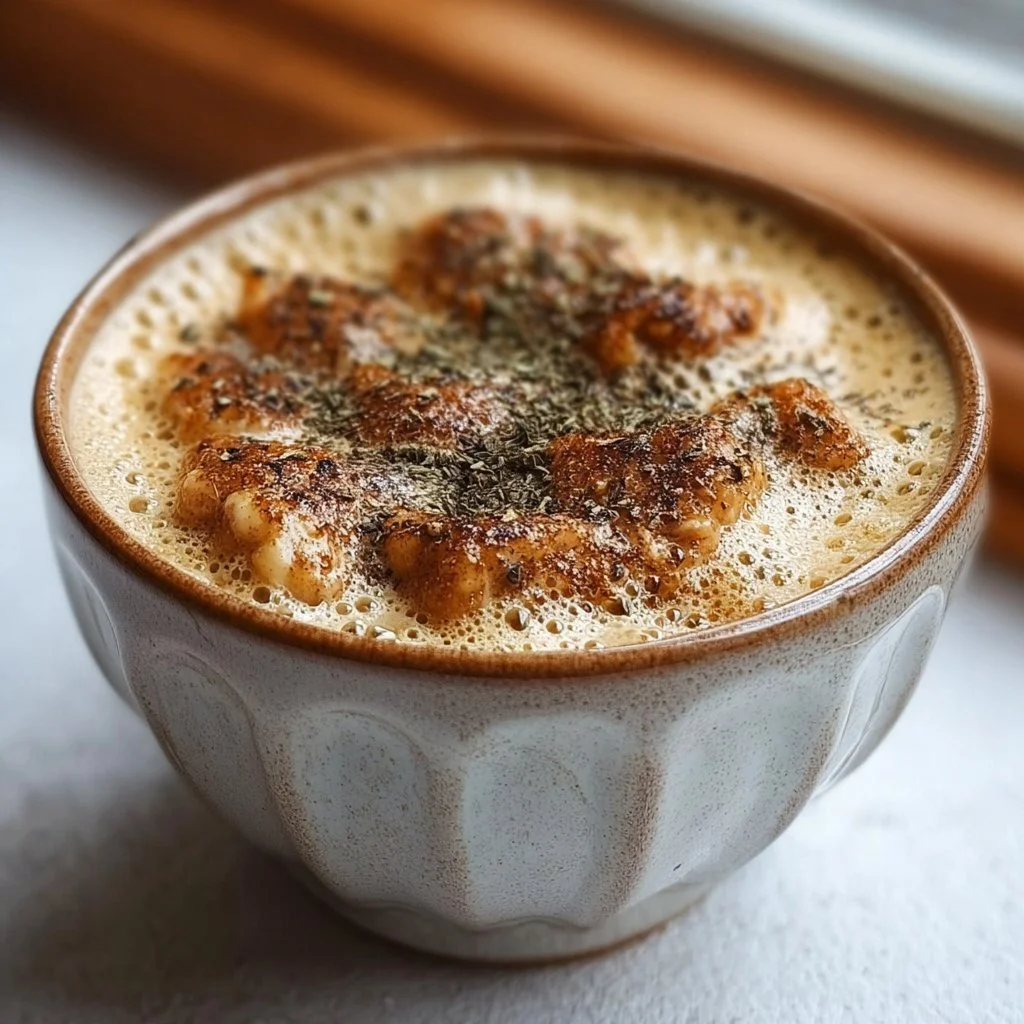
A warm, toasty latte that tastes like caramelized tea — Hojicha is quietly taking over cozy cafés and kitchen counters alike.
This version is built for home cooks who want a fast, reliable ritual with a few pantry staples.
You can make it dairy or plant-based, sweet or unsweetened; the template is forgiving and rewarding.
Try it alongside a festive snack for a cozy pairing like a holiday charcuterie pairing to elevate a simple afternoon.
Why You’ll Love This Hojicha Latte
- Deep, roasted tea flavor with caramelized notes.
- Lower caffeine than matcha, great for evening sipping.
- Creamy mouthfeel when frothed, even with plant milks.
- Super quick — about five minutes from start to finish.
- Flexible sweetness and milk choices to suit any diet.
- Works hot or slightly cooled for cooler afternoons.
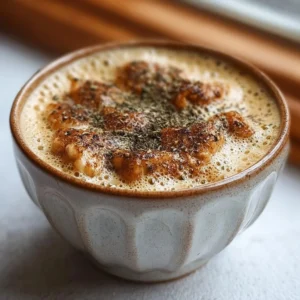
The taste combines toasty, smoky roasted tea with a round, almost butterscotch-like sweetness when paired with milk. Texture is crucial: a velvety, lightly frothed milk creates a comforting contrast to the fine, earthy hojicha paste.
"Absolutely love this — the roasted flavor is comforting and not bitter. I make it every morning now. Five stars!" — a satisfied reader
Key Ingredients for Hojicha Latte
Hojicha powder
Hojicha powder is the star and delivers those roasted, nutty flavors. Buy freshly ground hojicha or grind roasted hojicha leaves at home for the best aroma. If you substitute with matcha, expect brighter, vegetal notes and higher caffeine; the entire character shifts.
Milk (dairy or non-dairy)
Milk carries the flavor and dictates mouthfeel. Whole dairy milk gives the creamiest body, while oat milk often froths and complements hojicha’s sweetness. If you use almond or coconut milk, watch for thinner texture or overt coconut flavor; use barista blends for better froth.
Sweetener (optional)
Sugar, honey, or maple syrup balance hojicha’s slight bitterness and amplify caramel notes. Liquid sweeteners dissolve instantly and integrate into the paste better than granulated sugar. Skipping sweetener keeps the drink more tea-forward and less dessert-like.
Hot water
Hot water activates the hojicha powder and helps dissolve it into a smooth paste. Use just enough to make a thick slurry before adding milk. Cold water won’t dissolve the powder evenly and leads to gritty spots.
Full Ingredient List for Hojicha Latte
- 2 teaspoons Hojicha powder
- 1 cup milk (dairy or non-dairy)
- 1–2 teaspoons sweetener (optional)
- Hot water (just enough to make a paste)
Step-by-Step Instructions for Hojicha Latte
Start by making a smooth paste of hojicha powder in hot water, heat and froth milk, then combine for a silky, aromatic latte. The technique is simple and repeatable for consistent results.
Step 1: In a small bowl, whisk the Hojicha powder with a little hot water to make a smooth paste.
Pro Tip: Look for a glossy, lump-free paste with no visible powder granules; it should smell toasted and slightly sweet.
Step 2: Heat the milk in a saucepan or microwave until warm but not boiling.
Pro Tip: Aim for about 150–160°F (65–70°C) if you have a thermometer; tiny steam bubbles and gentle heat are the visual cues.
Step 3: Froth the milk using a frother or whisk until it’s creamy.
Pro Tip: The milk should form a microfoam layer that looks silky and reflective, not big bubbly foam.
Step 4: Combine the Hojicha paste with the frothed milk and stir until mixed.
Pro Tip: Pour milk over the paste slowly while stirring; the latte should take on a uniform, light brown color without streaks.
Step 5: Sweeten to taste, if desired.
Pro Tip: Add liquid sweetener a little at a time and taste; sweetness should accentuate caramel notes without masking the roasted tea.
Step 6: Serve warm and enjoy!
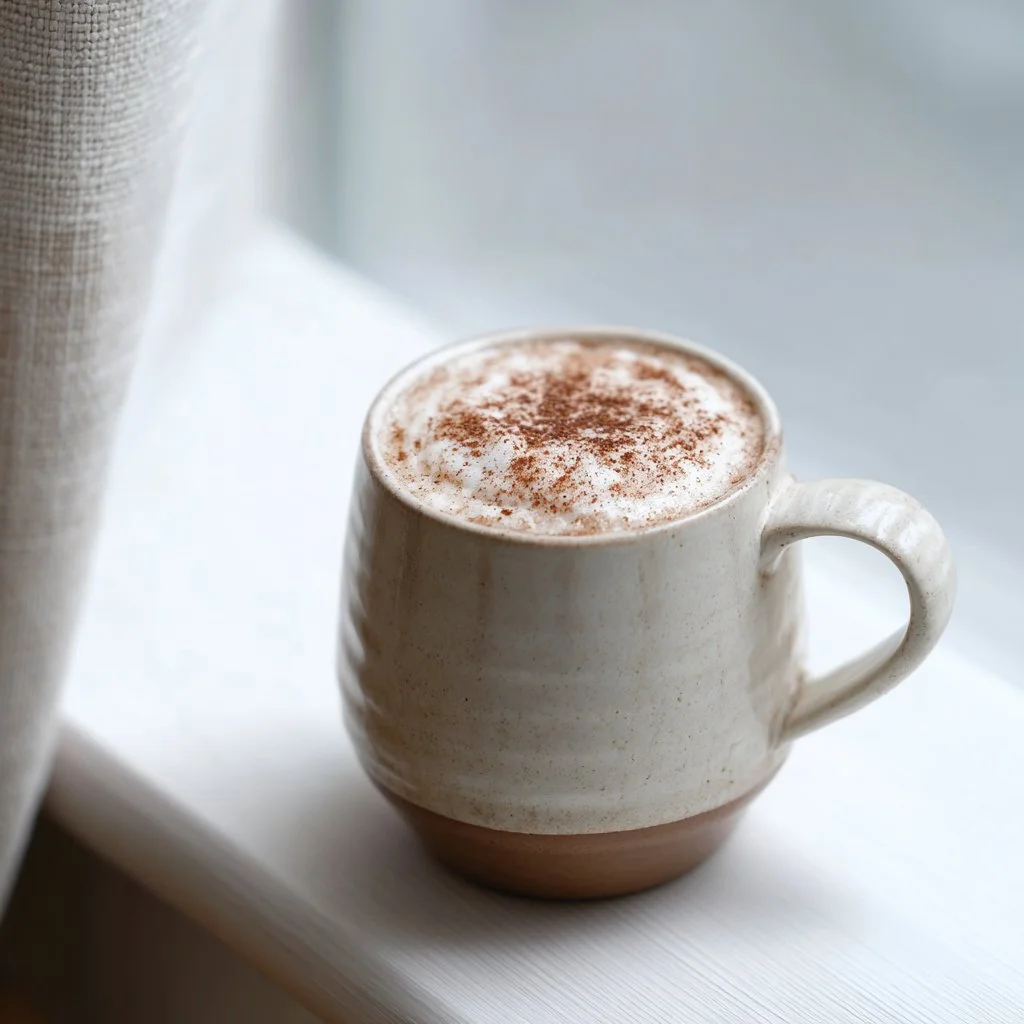
Pro Tip: The finished latte should be warm, aromatic, and slightly creamy on the tongue with a gentle roasted finish.
Expert Tips for Hojicha Latte
- Temperature tip: Heat milk to 150–160°F (65–70°C). Hotter milk scalds and flattens flavor.
- Frothing tip: Use a small electric frother or hand whisk; create a tight, silky microfoam for the best mouthfeel.
- Powder paste tip: Always make a paste with hot water first to avoid clumps.
- Milk choice tip: For best froth and neutral flavor, use barista oat or whole milk.
- Texture troubleshooting: If your latte is thin, use slightly less water in the paste or richer milk.
- Equipment tip: A metal whisk or handheld frother gives better control than a blender for single cups.
- Common mistakes: Boiling milk, skipping the paste, or adding granulated sweetener to cold milk can create grainy texture.
- Serving tip: Warm the cup briefly to help maintain temperature and aroma longer.
Storage & Freezing for Hojicha Latte
Fridge storage: Store leftover latte in an airtight glass jar in the fridge for up to 48 hours. Shake or whisk vigorously before reheating to recombine separated milk and tea.
Freezer storage: You can freeze the liquid base (milk and hojicha paste combined) in ice cube trays for up to 1 month. Transfer frozen cubes to a freezer bag and label them.
Thawing: Thaw in the fridge overnight or gently in a small saucepan over low heat. Avoid microwave heating from solid frozen to very hot; it causes separation.
Reheating: Reheat slowly on the stovetop to 150–160°F (65–70°C), whisking to recreate a creamy texture. If microfoam is lost, re-froth with a handheld frother for best texture.
Best containers: Use glass jars or stainless steel containers with tight lids for fridge storage. For freezing, silicone trays and BPA-free freezer bags work well.
Variations & Substitutions for Hojicha Latte
Hojicha Iced Latte
Replace hot milk with chilled milk and pour over ice. Make the hojicha paste with warm water, cool it slightly, then combine with cold milk and ice for a refreshing summer version.
Spiced Hojicha Latte
Add a pinch of cinnamon and ground ginger to the paste before adding milk. The warming spices complement the roastiness and create a chai-like, aromatic drink.
Sweetened Condensed Hojicha Latte
Stir in 1 tablespoon sweetened condensed milk instead of regular sweetener and use whole milk. Expect a silkier, richer latte with a pronounced caramel sweetness and glossy texture.
Hojicha-Oat Latte (Vegan)
Use a barista-style oat milk and 1–2 teaspoons maple syrup. The oat milk’s natural sweetness and creaminess amplify the toasted notes and froth beautifully; try our foam method from the strawberry matcha latte technique for superior microfoam.
Frequently Asked Questions About Hojicha Latte
What is hojicha and how is it different from matcha?
Hojicha is a Japanese green tea that has been roasted, which gives it a brown color and toasty, caramel-like flavor. Matcha is ground green tea leaves that are steamed and dried, producing a vibrant green color and vegetal, sometimes grassy flavor. Hojicha is lower in caffeine and less vegetal than matcha, making it friendlier for evenings.
Can I use hojicha leaves instead of powder?
Yes. If you have hojicha leaves, brew a concentrated infusion and reduce it to a stronger syrup-like tea, then mix with frothed milk. The flavor will be similar but you’ll miss the quick dissolving ease of powder; strain carefully to avoid leaf particles.
How much caffeine is in a Hojicha Latte?
Caffeine content varies, but hojicha is generally low in caffeine compared to other green teas. A cup made from hojicha powder typically has between 5–15 mg, depending on the leaf origin and amount used, which is often much less than coffee or matcha.
Why does my Hojicha Latte taste bitter sometimes?
Bitterness can come from overheating milk, using too much powder, or not dissolving the powder properly. Reduce the powder slightly, ensure the paste is fully smooth, and keep milk below boiling to avoid scorch notes.
How do I get a silky texture with non-dairy milk?
Choose barista-style or barista-blend plant milks (oat, soy, almond barista) as they contain stabilizers and higher fat that mimic dairy froth. Warm milk properly and froth with a handheld frother to produce microfoam; avoid thin almond or rice milks that separate easily.
Final Thoughts on Hojicha Latte
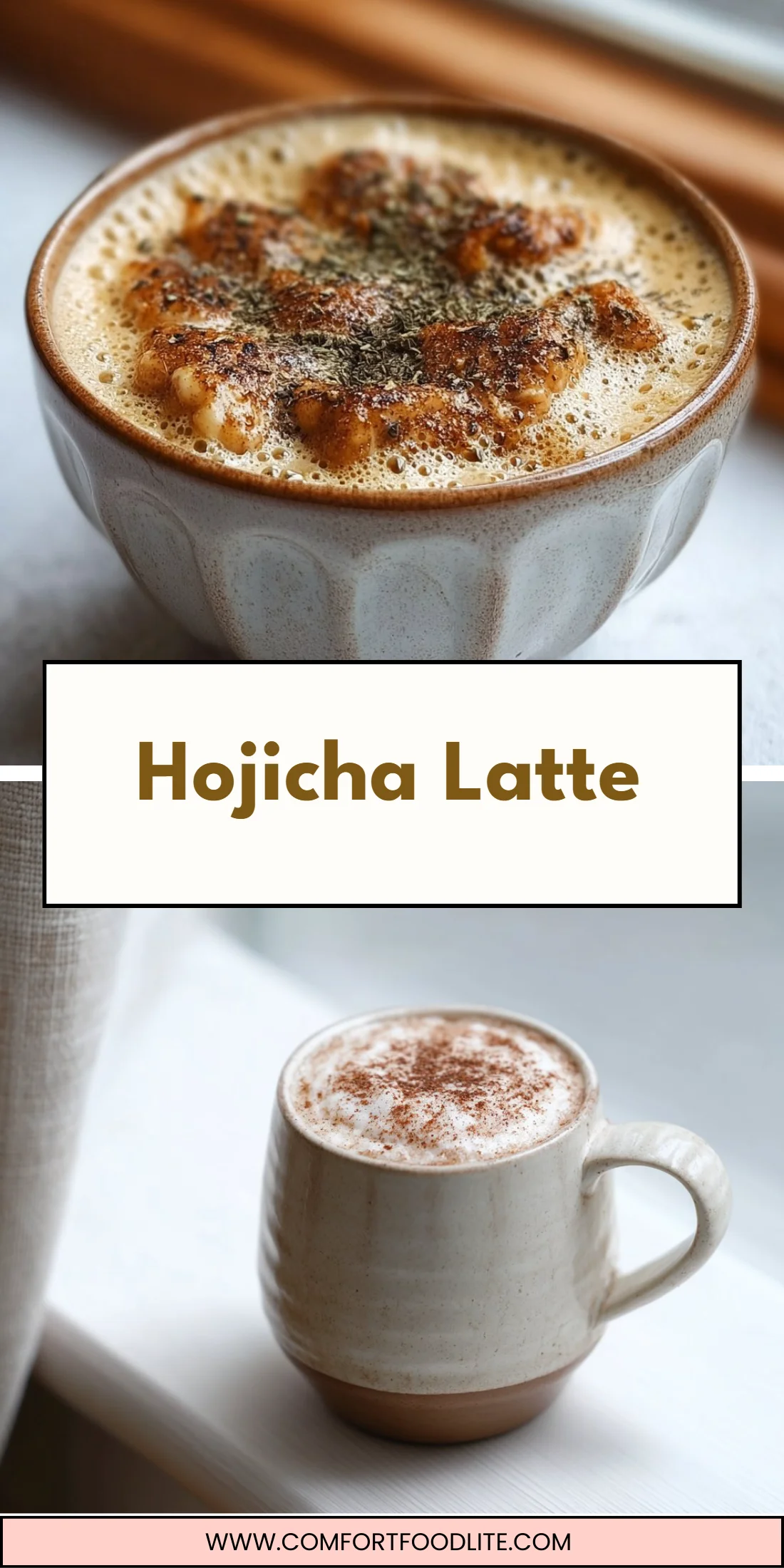
This Hojicha Latte is a small ritual that rewards attention to temperature, texture, and the quality of the powder. If you enjoyed the recipe, please leave a star rating in the recipe card below and pin it to Pinterest for later.
Hojicha Latte
Ingredients
For the Hojicha Latte
- 2 teaspoons Hojicha powder Freshly ground for best aroma.
- 1 cup milk (dairy or non-dairy) Whole dairy or barista-style oat milk recommended for better froth.
- 1-2 teaspoons sweetener (optional) Sugar, honey, or maple syrup.
- as needed cups hot water Just enough to make a paste.
Instructions
Preparation
- In a small bowl, whisk the Hojicha powder with a little hot water to make a smooth paste.
- Heat the milk in a saucepan or microwave until warm but not boiling.
- Froth the milk using a frother or whisk until it is creamy.
- Combine the Hojicha paste with the frothed milk and stir until mixed.
- Sweeten to taste, if desired.
- Serve warm and enjoy!