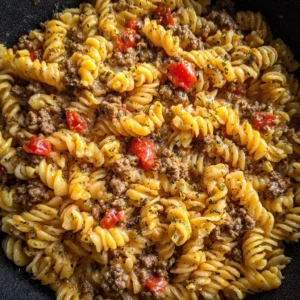
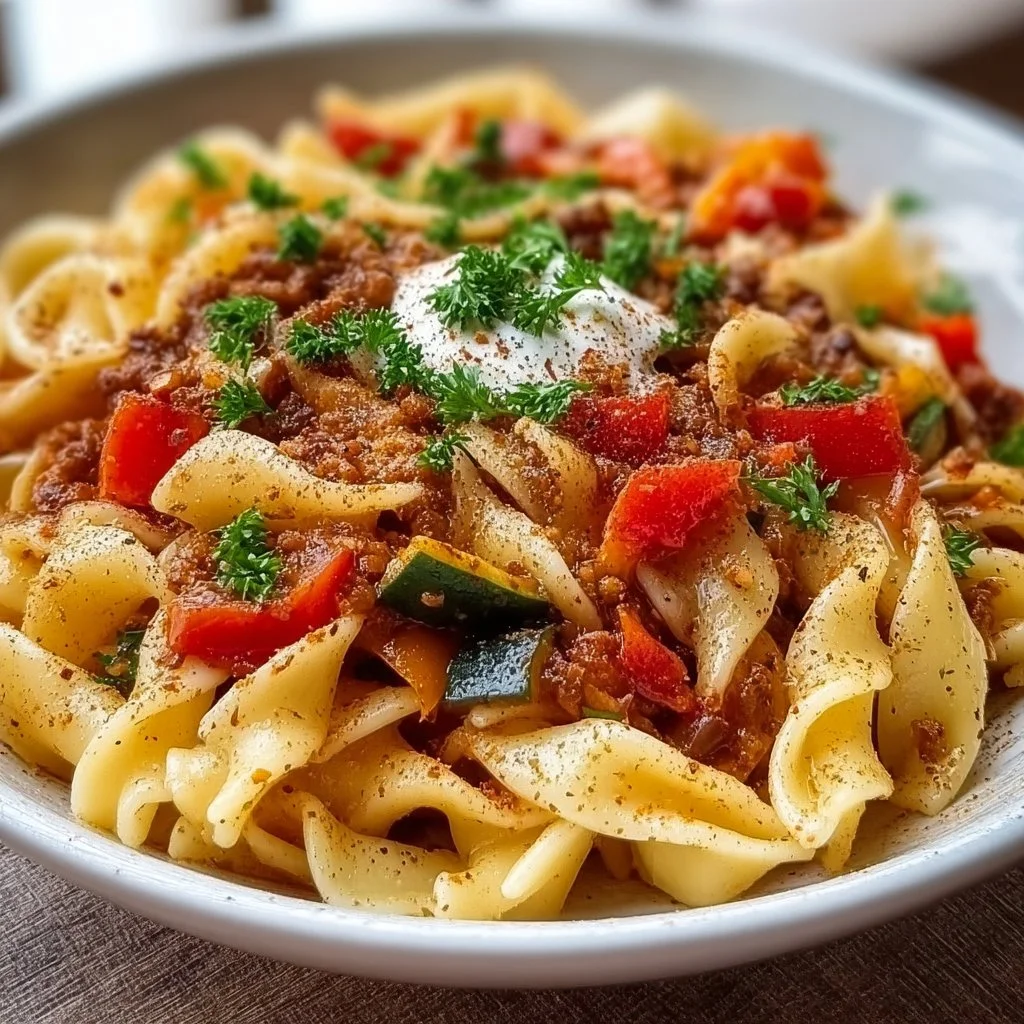
A warm, rustic skillet of pasta brightened with tomatoes, peppers, and warm spices is one of those weeknight heroes you’ll make on repeat. This Turkish Pasta is fast, flexible, and full of layers of flavor that feel special without fuss.
It comes together in about 30 minutes, using pantry staples and market produce. The vegetables add texture and color while paprika and cumin give it a gentle, smoky warmth.
If you’ve loved comfort pastas with a twist, this will fit right into your rotation. Small tweaks change it from everyday to celebratory in minutes.
Why You’ll Love This Turkish Pasta
– Fast weeknight meal that still impresses guests.
– Uses simple pantry spices for big flavor.
– Vegetarian-friendly with easy add-ins for protein.
– Bright, fresh vegetables keep it light and colorful.
– One-skillet sauce means minimal cleanup.
– Flexible for seasonal produce and pantry swaps.
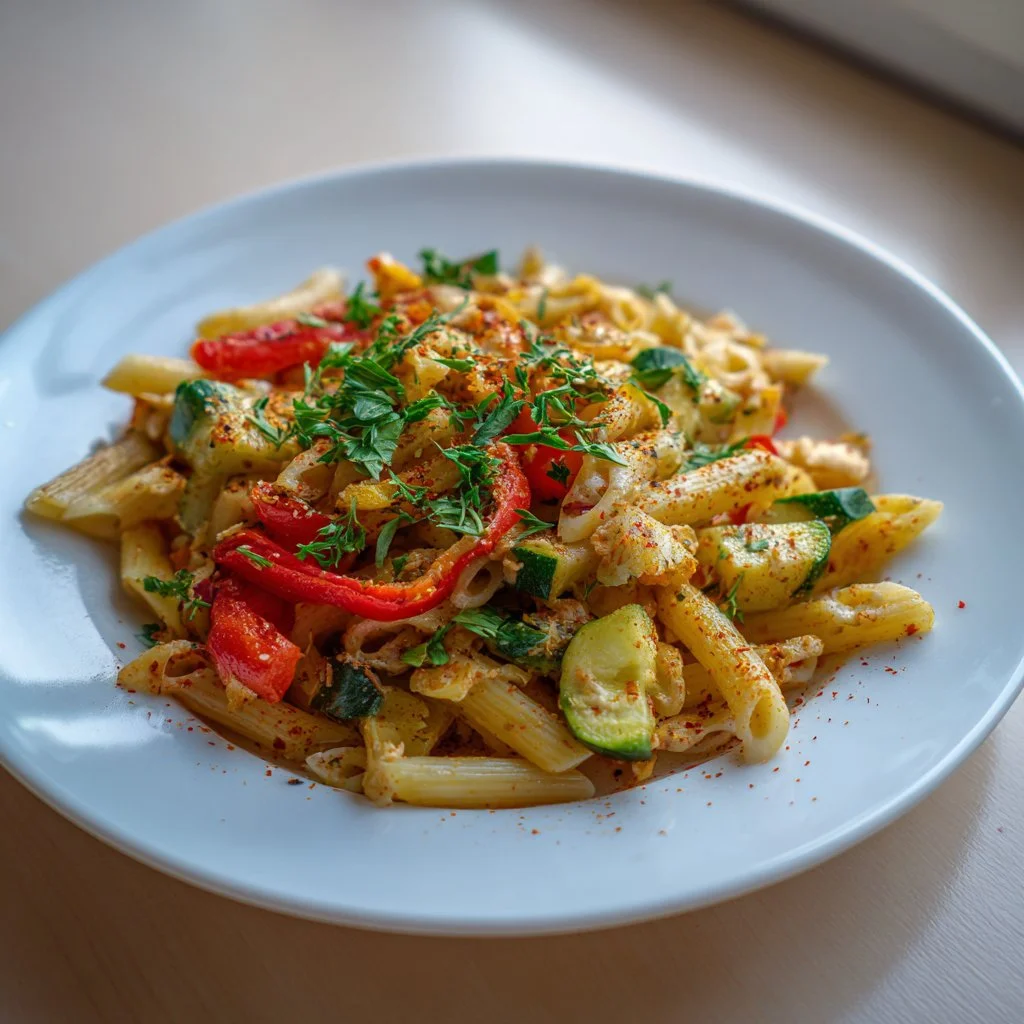
This Turkish Pasta balances silky pasta with a chunky, gently spiced vegetable sauce. The tomatoes break down into a bright, slightly tangy base, the bell peppers and zucchini add tender bite, and the paprika-cumin duo creates an aromatic backbone that keeps every forkful interesting.
“Five stars — I made this on a rainy weeknight and it felt like a restaurant dinner. The spices are perfect and my family asked for seconds.” — a happy reader
In case you like variations of cozy veg-forward pasta, this dish sits well next to recipes like butternut squash pasta for fall menus.
Key Ingredients for Turkish Pasta
Pasta matters. Choose a short-cut like penne, fusilli, or rigatoni to trap the sauce in grooves. Buying tip: pick a semolina or bronze-cut pasta for better bite and sauce cling. If you substitute with thin long pasta, the texture shifts and you’ll notice less sauce adherence.
Tomatoes are the sauce base. Use ripe plum tomatoes or a can of whole peeled tomatoes for consistency. Fresh tomatoes yield a fresher, slightly chunkier sauce; canned gives a deeper, more stable acidity during winter months.
Paprika defines the profile. Prefer sweet or smoked paprika depending on desired depth. Buying tip: get paprika from a sealed jar and smell it — it should be fragrant, not flat. Substituting with chili powder adds heat but loses the smoky-sweet nuance.
Olive oil provides the fat and glossy finish. Use extra-virgin olive oil for flavor but a lighter olive oil if you need a neutral base. If you replace with butter, the sauce will taste richer and less Mediterranean.
Full Ingredient List for Turkish Pasta
– Pasta (penne, fusilli, or rigatoni recommended)
– Tomatoes (fresh diced or canned whole peeled)
– Bell peppers (red or orange for sweetness)
– Zucchini (medium, diced)
– Onion (yellow or sweet, chopped)
– Garlic (2–4 cloves, minced)
– Olive oil (2–3 tablespoons)
– Paprika (1–2 teaspoons, sweet or smoked)
– Cumin (1/2–1 teaspoon)
– Salt (to taste)
– Black pepper (freshly ground)
– Fresh parsley (chopped, for garnish)
Step-by-Step Instructions for Turkish Pasta
Step 1: Cook the pasta according to package instructions until al dente.
Bring a large pot of well-salted water to a rolling boil and add the pasta. Stir occasionally and test 1–2 minutes before the package time to hit al dente.
Pro Tip: The pasta should be tender but still offer a slight bite; it will finish cooking in the sauce.
Step 2: Drain and set aside.
Reserve a cup of pasta cooking water before you drain. Toss the pasta briefly with a little olive oil to stop sticking if you won’t combine immediately.
Pro Tip: The reserved water should look lightly cloudy; this starchy liquid helps the sauce cling.
Step 3: In a large skillet, heat olive oil over medium heat.
Swirl 2–3 tablespoons of olive oil in a wide skillet until shimmering but not smoking. Medium heat builds flavor without burning the aromatics.
Pro Tip: The oil should ripple gently across the pan and smell fruity, not acrid.
Step 4: Sauté chopped onion and garlic until translucent.
Add chopped onion and cook until it softens, 3–5 minutes. Add minced garlic and stir until fragrant, about 30–45 seconds.
Pro Tip: The onion should look glossy and just turning transparent; the garlic should scent the pan but not brown.
Step 5: Add diced bell peppers and zucchini; cook until softened.
Toss in diced peppers and zucchini and cook until they release moisture and begin to tenderize, about 5–7 minutes. Keep the heat medium to develop slight caramelization without mush.
Pro Tip: The vegetables should be softened but still hold shape and present bright color.
Step 6: Stir in chopped tomatoes and spices (paprika, cumin, salt, and pepper). Simmer for 10 minutes.
Add tomatoes and stir in paprika, cumin, salt, and pepper. Simmer gently to concentrate flavors and let the tomatoes break down into a cohesive sauce, about 10 minutes. Adjust seasoning.
Pro Tip: The sauce should thicken slightly and coat the back of a spoon; tiny flecks of paprika will color it warmly.
Step 7: Combine the cooked pasta with the sauce and mix well. Garnish with fresh parsley before serving.
Add drained pasta to the skillet, tossing to combine. If the sauce seems stiff, loosen with reserved pasta water, a tablespoon at a time, until silky.
Pro Tip: Finished pasta should look glossy and evenly coated; parsley adds a bright green pop and fresh scent.
Expert Tips for Turkish Pasta
– Temperature tip: Keep the skillet at medium to medium-low when simmering tomatoes; high heat will evaporate moisture too fast and can burn the sugar in the vegetables.
– Texture troubleshooting: If the sauce separates or feels oily, add a splash of the reserved pasta water and stir vigorously to emulsify the sauce.
– Equipment tip: Use a wide, heavy skillet for even cooking and to give you room to toss the pasta without spilling.
– Common mistake: Overcooking vegetables until mushy removes contrast — aim for tender-crisp pieces for the best mouthfeel.
– Flavor layering: Add spices in stages — add half with the tomatoes and reserve some to finish the sauce for a fresher aroma.
– Salt control: Season in increments and taste at the end; salted pasta water, salted canned tomatoes, and final seasoning all add up.
– Olive oil finish: Drizzle a little high-quality olive oil over the plated pasta for a silky finish and aroma.
– Make-ahead tip: Keep the sauce slightly looser than desired; when reheated with pasta it will thicken, so a touch more liquid now prevents dryness.
In case you want richer comfort-food inspiration while refining texture and richness, read how to build deep sauces like in creamy beef pasta for ideas on finish and mouthfeel.
Storage & Freezing for Turkish Pasta
Fridge storage: Cool to room temperature within 2 hours, then transfer to an airtight container. Keep in the refrigerator for up to 4 days. Use shallow containers to speed cooling.
Freezer storage: For best quality, freeze just the sauce without the pasta in a freezer-safe, airtight container or heavy-duty freezer bag for up to 3 months. The vegetables hold up better when frozen separately from the pasta.
Thawing: Thaw sauce overnight in the fridge or gently in a warm water bath. Reheat on the stovetop over low heat, stirring so the vegetables rehydrate evenly.
Reheating: If you refrigerated cooked pasta and sauce together, reheat on the stovetop with a splash of water or broth to revive the sauce for 2–4 minutes. In the oven, transfer to a covered baking dish and bake at 350°F (175°C) for 15–20 minutes until hot throughout. For a protein-packed reheating strategy and timing tips, compare methods used in dishes like creamy ground beef pasta.
Use freezer-safe glass or BPA-free plastic containers for sauces, and label with date. Avoid freezing the pasta together if you want to retain the best texture.
Variations & Substitutions for Turkish Pasta
1) Protein boost with ground beef or lamb: Brown 8 ounces of ground beef or lamb before the vegetables, drain excess fat, then proceed. This turns the dish into a heartier, more savory main dish with a meat-forward depth.
Seafood twist with shrimp: Sauté shrimp separately until just opaque and fold in during the final minute of pasta tossing. This yields a lighter, briny version where paprika still complements the shellfish; for a smoother surf-and-turf vibe see recipes like creamy garlic shrimp pasta for technique ideas.
Cheese and cream finish: Stir in 1/4 cup cream or a handful of grated hard cheese at the end for a luscious, silky finish. The dairy softens the spices and creates a richer sauce that clings more generously to the pasta.
Roasted vegetable variant: Roast diced peppers, zucchini, and tomatoes at 425°F (220°C) until caramelized, then add to the pan with spices. Roasting intensifies sweetness and adds smoky depth for a more concentrated flavor profile.
Frequently Asked Questions About Turkish Pasta
Q: Can I make Turkish Pasta gluten-free?
A: Yes. Use a high-quality gluten-free pasta made from rice, corn, or legumes. Cook the pasta according to the package instructions and watch the texture carefully — many gluten-free pastas go from al dente to soft quickly. Combine with the sauce promptly and use reserved cooking water if needed to create a cohesive texture.
Q: How do I prevent the vegetables from becoming mushy?
A: Cook vegetables in stages and maintain medium heat. Start with onion, add garlic briefly, then add firmer vegetables before softer ones. Stop cooking when they are tender but still have bite. Quick sautéing and a hot pan help preserve structure and color.
Q: Can I use canned tomatoes instead of fresh?
A: Absolutely. Use one 14–28 ounce can of whole peeled tomatoes, crushing them by hand or with a spoon. Canned tomatoes give a consistent acidity and deeper umami in cooler months; taste and adjust salt because canned tomatoes can vary in saltiness.
Q: What spice adjustments should I make for a milder dish?
A: Reduce the paprika by half and omit cumin if you want a milder, more tomato-forward profile. You can also add a splash of lemon at the end to brighten without increasing heat. Smoked paprika will taste bolder than sweet paprika, so choose accordingly.
Q: Can I turn this into a one-pot dish?
A: Yes. Start by browning aromatics directly in the pot, add tomatoes and vegetables, then add partially cooked pasta and a bit of hot water to finish together. Timing is crucial — par-cook pasta for about half the package time so it can finish in the sauce without overcooking. For tips on one-pot timing and liquid ratios, look to techniques used in similar comfort-focused recipes like classic chicken pot pie pasta for inspiration.
Final Thoughts on Turkish Pasta
This Turkish Pasta is a quick, flavorful weekday meal that celebrates simple vegetables and bold spices. If you enjoyed it, please leave a star rating in the recipe card below and pin this recipe to Pinterest.
Turkish Pasta
Ingredients
For the Pasta
- 10 ounces Pasta (penne, fusilli, or rigatoni recommended) Choose a semolina or bronze-cut pasta for better bite and sauce cling.
For the Sauce
- 1 can Tomatoes (fresh diced or canned whole peeled) Fresh tomatoes yield a fresher sauce; canned gives deeper acidity.
- 1 cup Bell peppers (red or orange for sweetness)
- 1 medium Zucchini (diced)
- 1 medium Onion (yellow or sweet, chopped)
- 2-4 cloves Garlic (minced)
- 2-3 tablespoons Olive oil Use extra-virgin for flavor.
- 1-2 teaspoons Paprika (sweet or smoked) Choose based on desired depth.
- 1/2-1 teaspoon Cumin
- to taste Salt Season in increments.
- to taste Black pepper (freshly ground)
- 1/4 cup Fresh parsley (chopped, for garnish) Adds a bright green pop.
Instructions
Preparation
- Cook the pasta according to package instructions until al dente.
- Drain and set aside.
- In a large skillet, heat olive oil over medium heat.
- Sauté chopped onion and garlic until translucent.
- Add diced bell peppers and zucchini; cook until softened.
- Stir in chopped tomatoes and spices (paprika, cumin, salt, and pepper). Simmer for 10 minutes.
- Combine the cooked pasta with the sauce and mix well. Garnish with fresh parsley before serving.