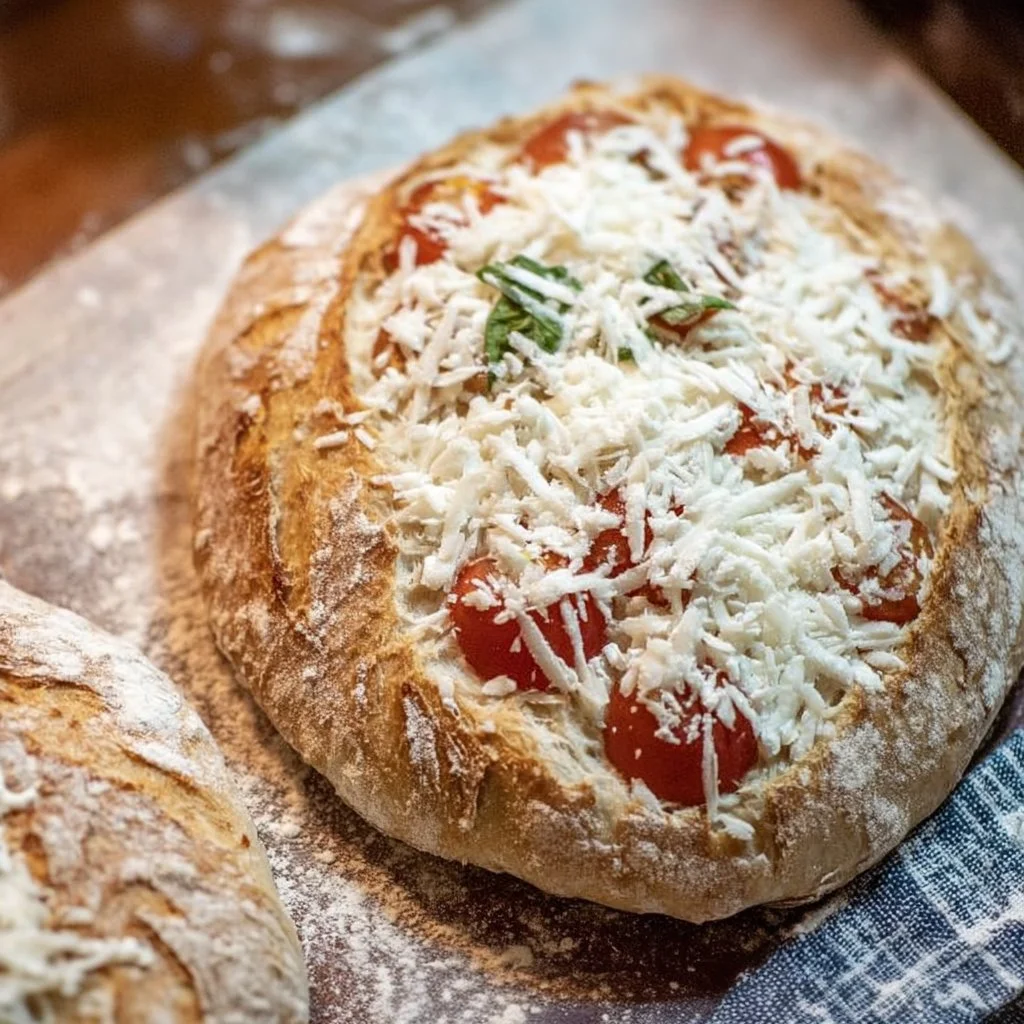
I make this sourdough discard pizza dough almost every week — it’s the perfect way to use up starter discard and get a flavorful, chewy crust without a long, fussy schedule. Using 1/2 cup discard with a simple mix of water, flour, oil, and salt gives you a forgiving dough that can be baked same-day or slow-fermented for extra flavor. It’s economical, kid-friendly, and seriously good straight from a screaming-hot home oven.
Why you’ll love this dish
This dough turns discard into something delicious instead of waste. It adds tang and structure to the crust without needing a fully fed starter. Make it same-day for a quick weeknight pizza, or refrigerate overnight for deeper sour notes and easier shaping.
“I never thought sourdough discard could make such a springy, flavorful crust. Fast to mix, forgiving to handle, and perfect with whatever toppings are in the fridge.” — home baker review
Reasons to try it:
- Budget-friendly: uses discard you’d otherwise toss.
- Flexible timing: same-day rise or overnight cold ferment.
- Great texture: good chew and light browning with minimal fuss.
- Kid- and crowd-pleasing: holds toppings without collapsing.
The cooking process explained
Before you start: expect a short mix, a bulk fermentation (a few hours at room temp or overnight in the fridge), dividing and pre-shaping, a final rest, and then stretching and baking on a hot surface. The process is straightforward and forgiving — no precision feeding or advanced techniques required.
Rough timeline options:
- Same-day: mix in the morning, bulk ferment 2–4 hours, shape and bake that afternoon or evening.
- Overnight: mix, cold ferment 8–24 hours; shape and bake the next day.
What you’ll need
- 1 1/2 cups water (room temperature)
- 1/2 cup sourdough discard (unfed or recently fed discard is fine)
- 2 Tbsp olive oil
- 4 1/2 cups all-purpose flour
- 2 tsp salt
Ingredient notes and substitutions:
- Flour: all-purpose works well. For a heartier crust, swap up to 1 cup with bread flour or 1 cup with whole wheat (expect slightly denser texture).
- Olive oil adds tenderness and flavor; you can omit for a leaner crust.
- Discard: both stiff and liquid discard work, but very watery discard may require a touch more flour.
How to prepare it
Step-by-step overview:
- Hydrate and combine the discard with water and oil.
- Mix in flour and salt until a shaggy dough forms.
- Knead or use slap-and-fold until smooth and elastic.
- Bulk ferment at room temperature until noticeably risen, or transfer to the fridge for an overnight cold ferment.
- Divide the dough into balls, pre-shape, rest, then stretch and bake on a hot stone or steel.
This gives you a clear path from jar to oven. Now follow the directions below for timings and details.
Directions to follow
Prepare the Dough
- In a large bowl, whisk 1 1/2 cups water and 1/2 cup sourdough discard until blended.
- Stir in 2 Tbsp olive oil.
- Add 4 1/2 cups all-purpose flour and 2 tsp salt. Mix until a shaggy dough forms.
- Turn the dough onto a lightly floured surface and knead about 6–8 minutes until smooth. Alternatively, use slap-and-fold for 4–6 minutes if dough is sticky.
- Form into a ball and place in a lightly oiled bowl, turning once to coat.
Bulk Fermentation (Rise Time)
- Room-temperature option: Cover and let rise for 2–4 hours until puffed and slightly doubled. Warmer kitchens shorten this time.
- Overnight option: Cover and refrigerate 8–24 hours for a slow cold ferment. This develops more tang and makes shaping easier.
Divide and Pre-Shape
- After bulk fermentation, turn the dough onto a floured surface and gently deflate.
- Divide into 3 equal portions for medium pizzas (or 2 for larger, thicker crusts).
- Pre-shape each portion into a tight ball. Cover and rest 20–30 minutes to relax the gluten.
Preheat
- Place a pizza stone or steel in the oven and preheat to 500°F (260°C) for 45–60 minutes. A very hot surface gives the best oven spring and char.
- If using a peel, dust with semolina or cornmeal to prevent sticking.
Shape & Bake
- With rested dough, press from the center outward or gently stretch to a 10–12" round. Keep an outer lip for the crust.
- Add sauce, cheese, and toppings — don’t overload to maintain a crisp bottom.
- Slide onto the preheated stone or steel. Bake 8–12 minutes until the crust is golden and charred in spots. Rotate halfway if your oven bakes unevenly.
- Remove, rest 1–2 minutes, slice, and serve.

Best ways to enjoy it
Serving suggestions:
- Classic Margherita: crushed San Marzano tomatoes, fresh mozzarella, basil, drizzle of olive oil.
- Bianco: garlic-olive oil base, ricotta dollops, mozzarella, rosemary.
- Veg-forward: roasted red peppers, caramelized onions, mushrooms, arugula finish.
Side pairings: - Simple green salad with lemon vinaigrette.
- Roasted vegetables or a charred corn salad.
- For drinks: a crisp lager, light red wine (Pinot Noir), or sparkling water with lemon.
Storage and reheating tips
Short-term storage:
- Unbaked dough: refrigerate in an airtight container up to 48–72 hours. Allow to come to room temperature (30–60 minutes) before shaping.
- Cooked pizza: refrigerate leftovers in an airtight container 3–4 days.
Freezing:
- Freeze dough balls individually, wrapped tightly in plastic and in a freezer bag, up to 3 months. Thaw in the refrigerator overnight, then bring to room temp before shaping.
- You can also freeze baked slices; reheat from frozen in a hot oven or skillet.
Reheating:
- For best texture, reheat slices in a hot oven (400°F/200°C) for 6–8 minutes or in a skillet over medium-high heat for a crisp bottom.
Food safety note: - If your discard smells off (pink, orange, or rotten), discard it. Normal discard has a tangy, yeasty aroma.
Extra advice
Helpful cooking tips
- Use a scale for consistent results: this dough is forgiving, but weighing ingredients is the fastest path to repeatable outcomes.
- Don’t over-top: heavy toppings trap moisture and lead to a soggy middle.
- Hot surface matters: a preheated pizza steel/stone is the single best upgrade for home ovens.
- Let the dough relax: if it shrinks back while stretching, rest it covered for 10–15 minutes and try again.
- If the dough is sticky, wet your hands rather than adding excessive flour; too much flour makes crust dense.
- For blistered char, finish under the broiler for 30–60 seconds watching closely.
Flavor swaps
Creative twists
- Whole wheat: replace 1 cup of all-purpose with whole wheat for nuttier flavor.
- Herb-infused crust: add 1–2 tsp dried oregano or 1 Tbsp finely chopped fresh herbs to the dough.
- Garlic-parmesan crust: brush with garlic oil and sprinkle parmesan before baking.
- Vegan: use plant-based cheese; same dough works perfectly.
- Pan/Detroit style: press dough into an oiled pan, top generously, and bake longer at 450°F for a thick, airy crust.
Your questions answered
Q: Can I use active starter instead of discard?
A: Yes. If you use a fully active starter, reduce the additional rise time slightly as the dough may ferment faster. The flavor will be similar; active starter can speed bulk fermentation.
Q: How many pizzas does this recipe make?
A: With 4 1/2 cups flour, you’ll get roughly three medium (10–12") pizzas, or two large pizzas, depending on thickness.
Q: Is it safe to use discard?
A: Absolutely. Discard from a healthy sourdough starter is safe to use in recipes. Don’t use discard if it shows signs of contamination (pink/orange tints or foul odors).
Q: My dough is sticky — what now?
A: Keep hands and work surface lightly floured, but avoid adding too much flour. Use wet hands to shape, or perform a series of folds to build strength instead of heavy kneading.
Q: Can I cold-proof the shaped dough?
A: Yes. After shaping on a peel or pan, refrigerate covered for a few hours to develop flavor. Bring back to room temp before baking for best oven spring.
Conclusion
If you want a reliable, flavorful pizza crust that makes the most of your sourdough discard, this recipe is a winner — flexible enough for a quick same-day bake and rewarding when given an overnight cold ferment. For alternative methods and inspiration, check out this helpful guide: Discarded Sourdough Pizza Dough (same day or overnight!), and for another tested recipe with tips, see Sourdough Discard Pizza Dough Recipe – Tastes of Lizzy T.

Sourdough Discard Pizza Dough
Ingredients
Dough Ingredients
- 1 1/2 cups 1 1/2 cups water (room temperature) Room temperature
- 1/2 cup 1/2 cup sourdough discard Unfed or recently fed discard is fine
- 2 Tbsp 2 Tbsp olive oil Optional for a leaner crust
- 4 1/2 cups 4 1/2 cups all-purpose flour For a heartier crust, can substitute with bread flour or whole wheat
- 2 tsp 2 tsp salt
Instructions
Prepare the Dough
- In a large bowl, whisk 1 1/2 cups water and 1/2 cup sourdough discard until blended.
- Stir in 2 Tbsp olive oil.
- Add 4 1/2 cups all-purpose flour and 2 tsp salt. Mix until a shaggy dough forms.
- Turn the dough onto a lightly floured surface and knead about 6–8 minutes until smooth.
- Alternatively, use slap-and-fold for 4–6 minutes if dough is sticky.
- Form into a ball and place in a lightly oiled bowl, turning once to coat.
Bulk Fermentation (Rise Time)
- Room-temperature option: Cover and let rise for 2–4 hours until puffed and slightly doubled.
- Overnight option: Cover and refrigerate 8–24 hours for a slow cold ferment.
Divide and Pre-Shape
- After bulk fermentation, turn the dough onto a floured surface and gently deflate.
- Divide into 3 equal portions for medium pizzas (or 2 for larger, thicker crusts).
- Pre-shape each portion into a tight ball. Cover and rest 20–30 minutes to relax the gluten.
Preheat
- Place a pizza stone or steel in the oven and preheat to 500°F (260°C) for 45–60 minutes.
- If using a peel, dust with semolina or cornmeal to prevent sticking.
Shape & Bake
- With rested dough, press from the center outward or gently stretch to a 10–12" round.
- Add sauce, cheese, and toppings — don’t overload to maintain a crisp bottom.
- Slide onto the preheated stone or steel.
- Bake 8–12 minutes until the crust is golden and charred in spots. Rotate halfway if your oven bakes unevenly.
- Remove, rest 1–2 minutes, slice, and serve.