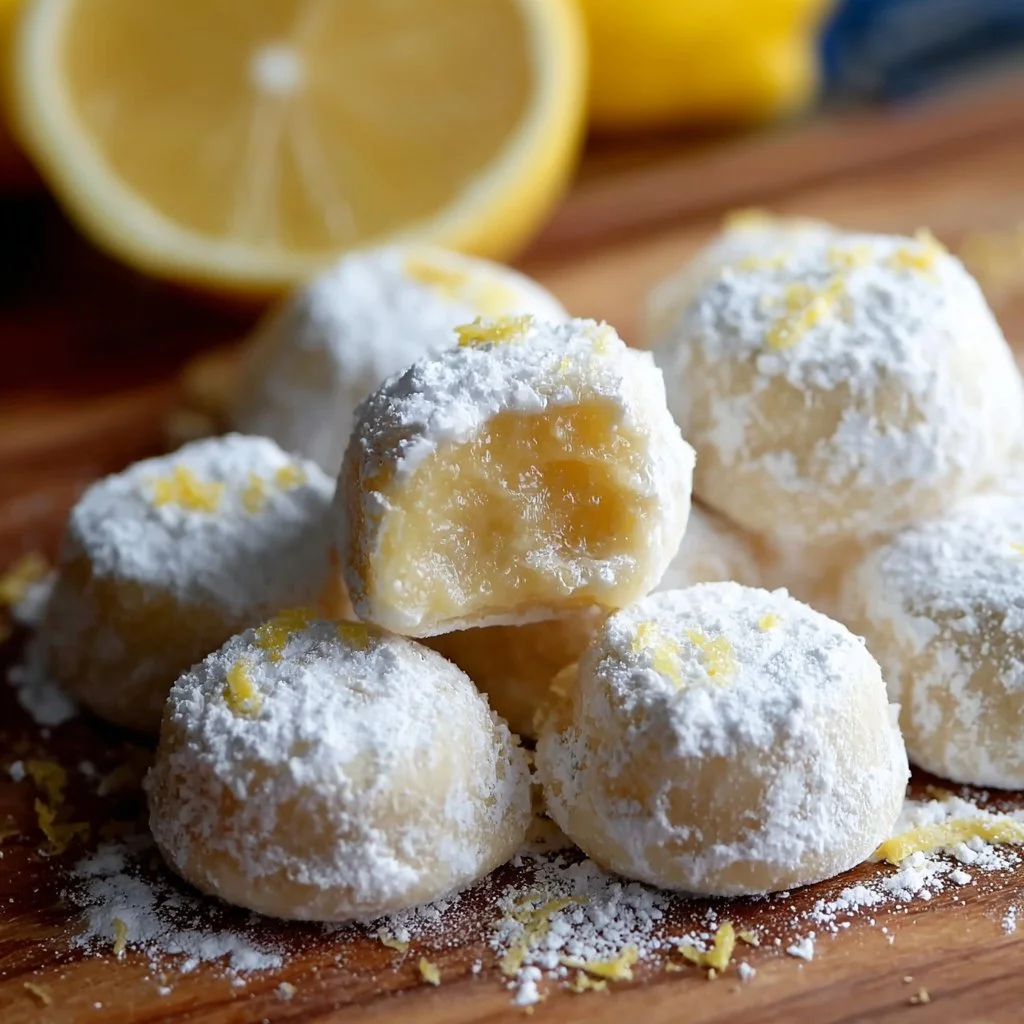
I’ve been making these Meyer lemon meltaways for years whenever I want a small, bright cookie that feels fancy but takes almost no time. They’re tender, buttery rounds with a soft, almost powdery finish—thanks to a touch of cornstarch—and the floral, less-acidic Meyer lemon flavor makes them feel like spring in every bite.
Why you’ll love this dish
These meltaways hit a sweet spot: they’re quick to pull together, rely on a handful of pantry staples, and deliver a delicate texture that melts on your tongue. Meyer lemons add a floral, slightly sweet citrus note that’s softer than regular lemons, so the cookies taste bright without puckering the whole room. They’re perfect for afternoon tea, a light dessert after a lemon-forward meal, or packaged as a thoughtful homemade gift.
“Delicate, buttery, and impossibly tender—these meltaways vanished before I could finish my second cup of tea.” — a quick kitchen test from a weekend bake
Reasons to make them:
- Fast prep and a single short bake (about 30 minutes total).
- Great for gifting and cookie swaps—easy to double or triple.
- Kid-friendly dough handling: roll, bake, cool.
- Cornstarch keeps the texture ultra-tender and “melt-in-your-mouth.”
The cooking process explained
Quick overview: soften the butter and cream it with powdered sugar until silky. Fold in Meyer lemon zest and juice for flavor, then gently add flour, salt, and cornstarch to form a soft dough. Roll into small balls, bake until the edges just color, and let them cool fully so they set to the classic meltaway crumb. Expect a short mixing time and careful watching in the oven—these go from pale to golden fast.
What you’ll need
- 1 cup unsalted butter, softened (room temperature; not melty)
- 2/3 cup powdered (confectioners’) sugar
- 2 tablespoons Meyer lemon zest (use a microplane)
- 1/4 cup Meyer lemon juice (about 1–2 lemons)
- 2 cups all-purpose flour, spooned and leveled (or weigh ~240 g)
- 1/4 teaspoon salt
- 1/4 teaspoon cornstarch (for extra meltiness)
Notes and substitutions:
- Regular lemons work if you can’t find Meyers—expect slightly more tartness; cut juice to 3 tablespoons if you prefer less wet dough.
- For a lighter finish, sift the powdered sugar before creaming to avoid lumps.
- Gluten-free option: swap for a 1:1 GF flour blend + 1/4 teaspoon xanthan gum; texture changes slightly but still tasty.
- To make them vegan: use a firm, solid baking margarine and 2–3 tablespoons aquafaba; results will differ from butter versions.
Step-by-step instructions
- Preheat the oven to 375°F (190°C). Line a baking sheet with parchment or a silicone mat.
- In a bowl, cream the softened butter and powdered sugar together until smooth and pale. Use a hand mixer or stand mixer on medium speed for 1–2 minutes.
- Add the Meyer lemon zest and the lemon juice. Mix until the liquid is fully incorporated and the mixture is smooth.
- Gradually add the all-purpose flour, salt, and cornstarch. Mix on low speed or fold with a spatula until a soft dough forms. Don’t overmix.
- Scoop or roll the dough into small balls (about 1 tablespoon each). Place them 1–2 inches apart on the prepared baking sheet.
- Bake 12 to 15 minutes. Look for edges that are just lightly golden; centers should remain pale.
- Remove from the oven and allow the cookies to cool on the baking sheet for 5 minutes, then transfer to a wire rack to cool completely. Cooling fully helps them set to that classic meltaway texture.

Best ways to enjoy it
- Dust lightly with extra powdered sugar just before serving for a pretty finish.
- Drizzle a thin lemon glaze (powdered sugar + a teaspoon of lemon juice) for more shine and lemon punch.
- Pair with Earl Grey or a citrus-forward tea to amplify the floral notes of Meyer lemon.
- Serve alongside fresh berries and whipped mascarpone for a simple dessert plate.
- Present them in a small bakery box with tissue for a charming homemade gift.
Keeping leftovers fresh
- At room temperature: store in an airtight container layered between sheets of parchment for up to 4 days.
- Refrigerator: not necessary and can dry the cookies; only refrigerate if your kitchen is very warm—keep airtight and let them come to room temp before serving.
- Freezing: freeze baked cookies single-layer on a tray until firm, then transfer to a freezer bag or container for up to 3 months. Thaw at room temperature.
- Food safety: because these are baked goods without perishable fillings, standard storage is safe. If you add a cream glaze, consume within 2–3 days refrigerated.
Pro chef tips
- Use room-temperature butter for the smoothest cream; too cold and it won’t incorporate, too soft and the dough will be greasy.
- Zest before juicing to avoid losing aromatic oils—use a fine microplane for the best texture.
- Weigh your flour when possible. Overpacked flour yields dense cookies; spoon-and-level or a kitchen scale is more reliable.
- A small cookie scoop makes uniform cookies that bake evenly.
- Don’t overbake: those pale centers are intentional. Edges only should take on a hint of gold.
- If dough feels too sticky, chill 10–15 minutes; chilled dough is easier to roll and spreads less.
- For the absolute melt: the cornstarch is the secret—don’t skip it unless substituting for dietary reasons.
Creative twists
- Lemon-poppy: add 1 tablespoon poppy seeds to the dry mix for a classic pairing.
- Glazed variation: brush with a lemon-sugar glaze or dip half in tempered white chocolate.
- Herbaceous: fold in 1/2 teaspoon finely chopped fresh thyme or lavender for a refined flavor.
- Citrus swap: use lime or blood orange zest/juice for seasonal shifts.
- Spice: a pinch of cardamom or ginger can add unexpected warmth.
- Vegan or GF: see ingredient notes—expect texture changes but still delicious.
Your questions answered
Q: How long does it take from start to finish?
A: Active hands-on time is about 15–20 minutes. With baking and cooling, plan for 30–40 minutes total.
Q: Can I make the dough ahead or freeze it?
A: Yes. You can shape the dough into balls and freeze them on a tray, then transfer to a bag. Bake from frozen adding 1–2 minutes to the bake time, or thaw lightly before baking. Baked cookies freeze well up to 3 months.
Q: Are Meyer lemons necessary?
A: No—regular lemons work fine. Meyer lemons are milder and sweeter, so the cookies taste less tart. If using regular lemons, you may reduce juice slightly to keep the dough from getting too wet.
Q: What if my cookies spread too much?
A: Chill the dough briefly before baking, ensure butter wasn’t overly soft, and measure flour accurately. Baking on a cool baking sheet also helps.
Q: Is cornstarch mandatory?
A: It’s not mandatory but it gives a silkier, more melt-in-the-mouth texture. You can omit it, but expect a slightly firmer crumb.
Conclusion
These Meyer lemon meltaways are a small-batch, big-flavor cookie that’s ideal for when you want something impressive without hours in the kitchen. For more inspiration and variations on classic lemon meltaways, check this recipe roundup at Lemon Meltaways – a delicious little cookie – Saving Room for Dessert, and for a Meyer-specific take with additional tips try this version at Meyer Lemon Meltaways | Spoon Fork Bacon.

Meyer Lemon Meltaways
Ingredients
Dough Ingredients
- 1 cup unsalted butter, softened Room temperature; not melty
- 2/3 cup powdered (confectioners’) sugar
- 2 tablespoons Meyer lemon zest Use a microplane
- 1/4 cup Meyer lemon juice About 1–2 lemons
- 2 cups all-purpose flour, spooned and leveled or weigh ~240 g
- 1/4 teaspoon salt
- 1/4 teaspoon cornstarch For extra meltiness
Instructions
Preparation
- Preheat the oven to 375°F (190°C). Line a baking sheet with parchment or a silicone mat.
- In a bowl, cream the softened butter and powdered sugar together until smooth and pale using a hand or stand mixer on medium speed for 1–2 minutes.
- Add the Meyer lemon zest and lemon juice. Mix until the liquid is fully incorporated and the mixture is smooth.
- Gradually add the all-purpose flour, salt, and cornstarch. Mix on low speed or fold with a spatula until a soft dough forms. Don’t overmix.
- Scoop or roll the dough into small balls (about 1 tablespoon each) and place them 1–2 inches apart on the prepared baking sheet.
Baking
- Bake for 12 to 15 minutes, looking for edges that are just lightly golden while centers remain pale.
- Remove from the oven and allow the cookies to cool on the baking sheet for 5 minutes, then transfer to a wire rack to cool completely.