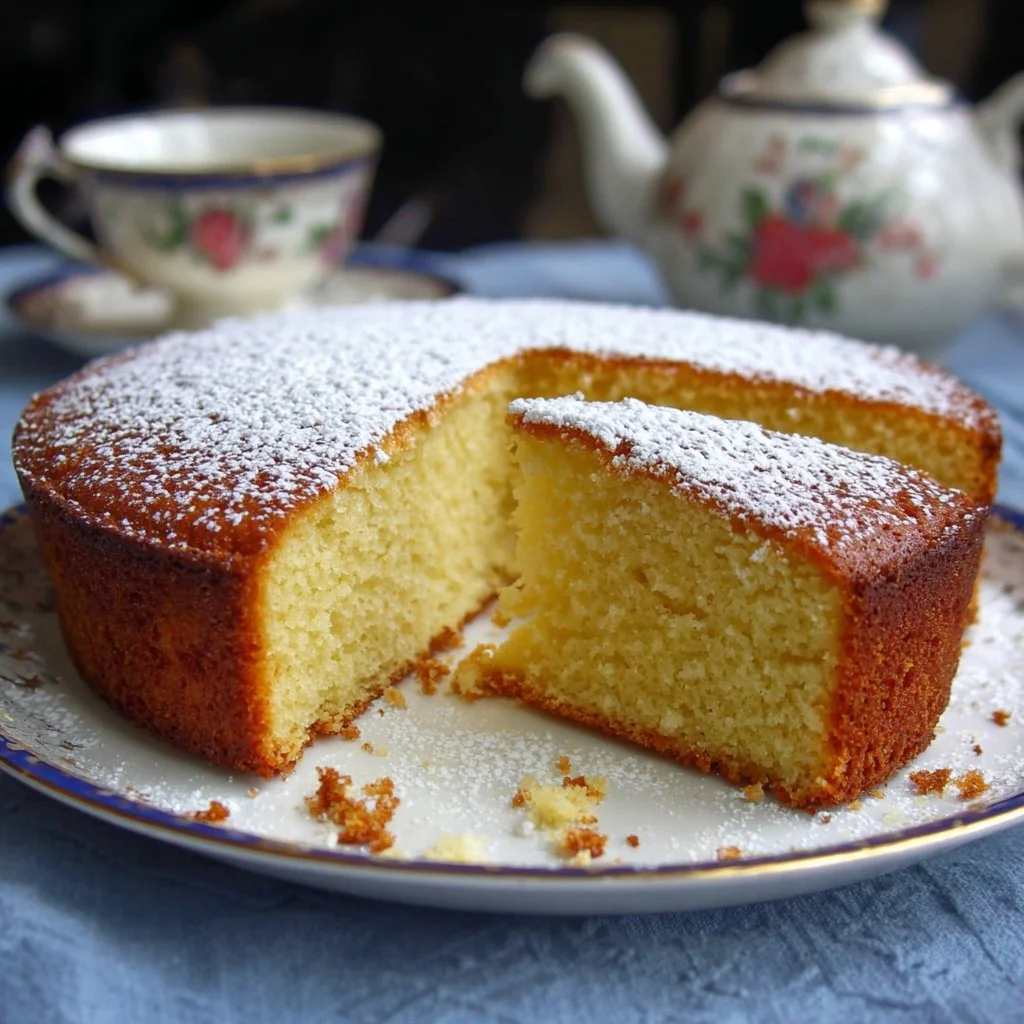
A simple, buttery tea cake that tastes like a warm Irish kitchen — soft crumb, light vanilla aroma, and the kind of slice you reach for with a cup of tea. It’s quick to mix and comforting to eat.
No fancy ingredients, no fuss. This cake is forgiving for new bakers but rewarding for pros who want a canvas for extras.
Read on for ingredient science, step visuals, expert troubleshooting, and easy variations to make it your own.
Why You’ll Love This Irish Tea Cake
– Quick to make with pantry staples.
– Soft, tender crumb that pairs perfectly with tea or coffee.
– Mild vanilla flavor that’s not overly sweet.
– Great for beginner bakers — very forgiving.
– Easy to adapt with add-ins or toppings.
– Bakes reliably in a single 9-inch pan for minimal cleanup.
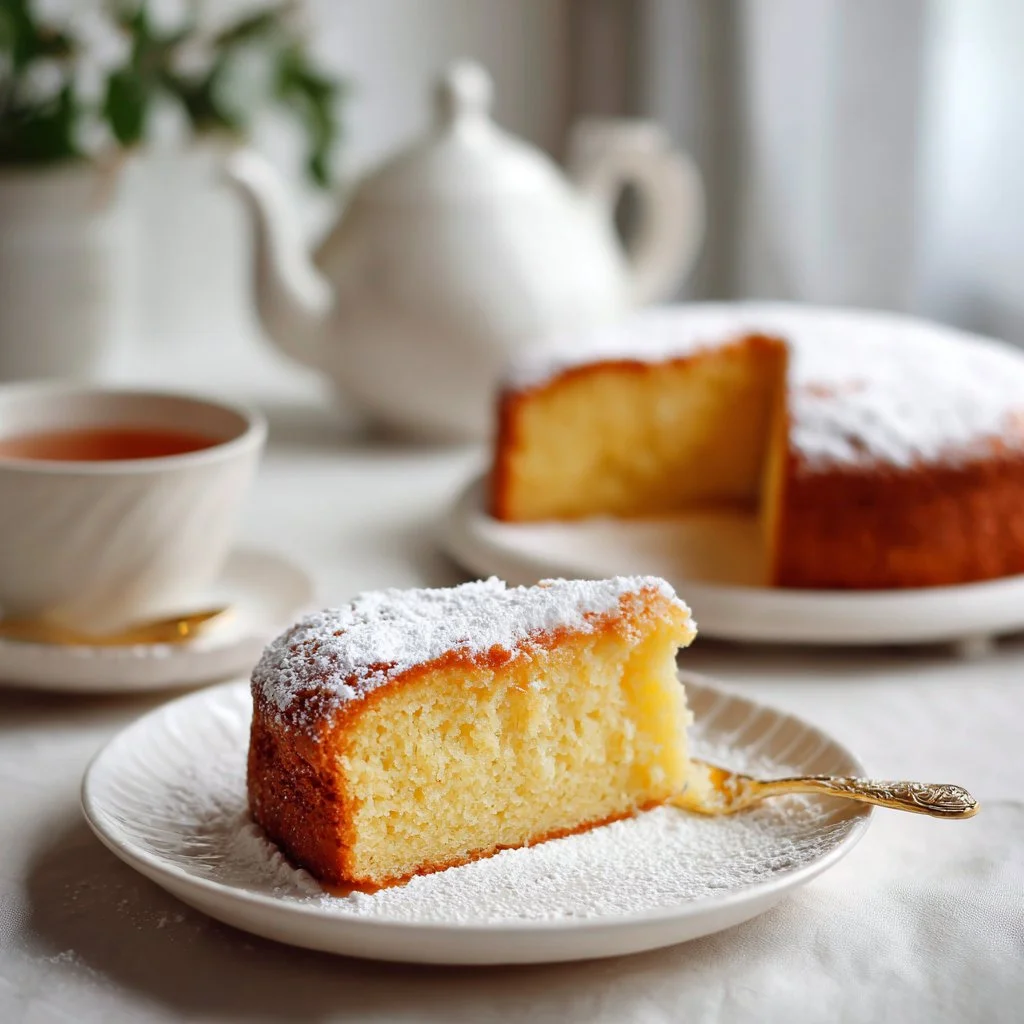
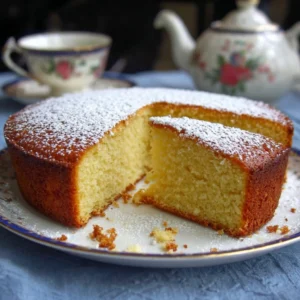
This Irish Tea Cake has a fine, tender texture and a lightly golden crust. The butter-sugar creaming creates tiny air pockets that expand in the oven, while the modest sugar and vanilla keep the flavor balanced so you can taste the butter and the milky crumb. It finishes with a dusting of confectioners’ sugar for an elegant, understated look.
"Absolutely delicious — the perfect afternoon cake. Tender, buttery, and so easy to make. I’ll be saving this for company." — 5★ reader review
I often pair tea cakes with savory weekday dinners, and this one is fast enough to be an afterthought that looks intentional.
Key Ingredients for Irish Tea Cake
For this cake, a few ingredients do the heavy lifting. Understanding what each does will help you get consistent results every time.
Unsalted Butter (1/2 cup)
Butter provides richness, flavor, and structure. Buying European-style butter with higher fat gives a silkier mouthfeel, while standard unsalted butter works fine. If you substitute with margarine or oil, expect a change in texture and less flavor; oil yields a moister but less tender crumb and lacks that buttery note.
Try using European butter for special occasions when you want a more pronounced butter flavor.
White Sugar (1 cup)
Sugar sweetens and tenderizes by interfering with gluten formation; it also helps browning. Granulated sugar is ideal for the right texture and caramelized edges. Reducing sugar will produce a denser cake and paler crust, while substituting brown sugar adds moisture and a caramel note that changes the classic profile.
All-Purpose Flour (1 3/4 cups)
AP flour gives the cake enough protein to hold structure while keeping it tender. For a lighter crumb, you can replace up to half the flour with cake flour; expect slightly softer, more delicate slices. Using bread flour will make the texture too chewy because of higher gluten.
Baking Powder (2 teaspoons) and Milk (1/2 cup)
Baking powder is the leavening that lifts the cake; using fresh, active baking powder ensures even rise. Milk hydrates the batter and contributes to tenderness and flavor; whole milk gives the best richness. If you need a non-dairy swap, use unsweetened oat or almond milk, and consider adding a tablespoon of melted butter to compensate for lost fat.
Full Ingredient List for Irish Tea Cake
– 1/2 cup unsalted butter (softened)
– 1 cup white sugar
– 2 eggs
– 1 1/2 teaspoons vanilla extract
– 1 3/4 cups all-purpose flour
– 2 teaspoons baking powder
– 1/2 teaspoon salt
– 1/2 cup milk
– 1/4 cup confectioners’ sugar (for dusting; optional)
Step-by-Step Instructions for Irish Tea Cake
Step 1: Preheat and prepare the pan
Preheat the oven to 350°F (175°C). Grease a 9-inch round pan with butter or nonstick spray and very lightly dust with flour, tapping out the excess. This helps the cake release cleanly and ensures even browning at the edges.
Pro Tip: The pan should feel room temperature and evenly greased; when you tap the floured pan the surface should look even with no clumps.
Step 2: Cream butter and sugar
In a mixing bowl, cream the softened butter and white sugar together until the mixture is light and fluffy, about 3–4 minutes with a hand or stand mixer. This step incorporates air which helps the cake rise and gives it a tender crumb.
Pro Tip: The creamed mixture should look paler and slightly voluminous; it will hold a soft ridge when the beater is lifted.
Step 3: Add the eggs and vanilla
Beat in the eggs one at a time, mixing after each until incorporated, then stir in the vanilla extract. Adding eggs slowly keeps the emulsion stable and prevents curdling.
Pro Tip: The batter will look glossy and smooth; if it seems curdled, beat until smooth but don’t overwork it.
Step 4: Whisk dry ingredients
In a separate bowl, whisk the all-purpose flour, baking powder, and salt until evenly combined. Aerating the dry mix removes lumps and distributes the leavening for an even rise.
Pro Tip: The dry mix should be uniform in color with no visible clumps of baking powder.
Step 5: Combine dry and milk alternately
Add the dry mixture and milk to the batter alternately, beginning and ending with the flour mixture. Mix gently and only until just combined to avoid overdeveloping gluten. This method ensures a tender, even crumb.
Pro Tip: The batter should look smooth and slightly thick; there should be no streaks of flour or pockets of liquid.
Step 6: Adjust consistency if needed
If the batter seems too stiff to spread, add a tablespoon of milk at a time until it reaches a soft dropable consistency. The right consistency ensures an even bake and moist texture.
Pro Tip: The batter should drop slowly from a spoon but still hold some shape.
Step 7: Spread batter and smooth
Spread the batter evenly into the prepared 9-inch pan using a spatula, smoothing the top for an even rise. An even surface prevents doming and ensures consistent baking.
Pro Tip: The surface should be smooth with no deep depressions; it will level out slightly as it bakes.
Step 8: Bake until set
Bake for 30–35 minutes. Test doneness with a toothpick inserted into the center — it should come out clean or with a few moist crumbs. Avoid overbaking to keep the cake tender.
Pro Tip: The cake should be golden on top and spring back lightly when touched.
Step 9: Cool briefly then invert
Cool the cake in the pan for 10–15 minutes to firm up, then invert onto a serving plate and let cool completely. This short rest helps the crumb set so the cake doesn’t break when removed.
Pro Tip: The cake edges should gently pull away from the pan; if they cling, run a knife around the edge before inverting.
Step 10: Dust and serve
Once completely cool, dust the cake with confectioners’ sugar for a simple finish. Slice with a serrated or long sharp knife for the cleanest cuts.
Pro Tip: The surface should be cool to the touch before dusting, and the sugar will settle into the top for a delicate, even coating.
Expert Tips for Irish Tea Cake
– Temperature tip: Keep butter at room temperature but not greasy; around 65–68°F (18–20°C) is ideal for creaming.
– Oven tip: Use an oven thermometer; many ovens run hot and 10–15°F high will dry the cake.
– Texture troubleshooting: If the cake is dense, cream longer to incorporate more air and ensure baking powder is fresh.
– If the cake sinks in the middle, avoid opening the oven door during the first 20 minutes; also ensure baking powder isn’t expired.
– Equipment tip: A 9-inch metal cake pan gives better browning than glass; if using glass, reduce oven temp by 25°F and bake slightly longer.
– Mixing tip: Do not overmix after adding flour; stop when no streaks remain to avoid a tough crumb.
– Common mistake: Using cold eggs can cause the batter to curdle; bring eggs to room temperature for a stable emulsion.
– Visual cue: Watch the top color; a pale cake after full bake time usually means the oven is too cool or the rack is too low.
For pairing ideas, my quick weeknight menus often include a simple skillet protein; see this lemon cream cheese dump cake for a dessert that shares the same simple, high-impact approach.
Storage & Freezing for Irish Tea Cake
Refrigerator: Store slices in an airtight container for up to 4 days. Wrap or seal to prevent the cake from absorbing fridge odors and to maintain moisture.
Freezer: Wrap the cooled cake tightly in plastic wrap, then foil, and place in a freezer-safe container for up to 3 months. Freeze whole or sliced for convenience.
Thawing: Thaw slices overnight in the refrigerator, or at room temperature for 2–3 hours if wrapped. Avoid microwaving frozen cake directly as it can become gummy.
Reheating: Warm slices in a 300°F (150°C) oven for 8–10 minutes or in a toaster oven; this revives the crust and gives a freshly-baked texture.
Variations & Substitutions for Irish Tea Cake
– Lemon-Glazed Irish Tea Cake: Add 1 tablespoon of lemon zest to the batter and top with a simple lemon glaze made from confectioners’ sugar and lemon juice. The result is brighter, with a refreshing citrus lift.
– Almond Irish Tea Cake: Replace 1/4 cup of the flour with almond flour and add 1/2 teaspoon almond extract with the vanilla. This adds a delicate nutty richness and slightly denser crumb.
– Fruit-Stuffed Irish Tea Cake: Fold in 1 cup of fresh berries or chopped apples tossed in a tablespoon of flour to prevent sinking. Fruit adds moisture and bursts of flavor; reduce the milk by 1–2 tablespoons if adding juicy fruit.
– Chocolate Chip Irish Tea Cake: Stir 3/4 cup mini chocolate chips into the batter for a sweeter, more indulgent version. The chips soften in the cake and create pockets of melty chocolate without overwhelming the vanilla profile.
For a twist on texture with similar simplicity, try the comforting layers of a baked fruit cheesecake like this apple crumble cheesecake for holidays.
Frequently Asked Questions About Irish Tea Cake
Q: Can I make Irish Tea Cake in a loaf pan?
A: Yes. Bake at 350°F (175°C) but start checking at 40–45 minutes; a loaf pan is deeper so the bake time increases. Use a toothpick to check the center, and tent with foil if the top browns too quickly.
Q: Can I substitute oil for butter in this Irish Tea Cake?
A: You can substitute oil for butter (use 3/4 the amount by volume), which yields a moister but less flavorful cake. To mimic butter flavor, add a teaspoon of butter-flavored extract or use half oil and half melted butter.
Q: Why did my Irish Tea Cake come out dense?
A: Common causes are under-creamed butter and sugar, expired baking powder, overmixing after adding flour, or too much flour packed into the measuring cup. Ensure accurate measuring and gentle mixing.
Q: How can I add nuts or dried fruit without them sinking?
A: Toss add-ins in a tablespoon of flour before folding them into the batter; this helps suspend them. Also fold gently and spread batter immediately into the pan to prevent sinking.
Q: Can I make this Irish Tea Cake gluten-free?
A: Swap the all-purpose flour for a cup-for-cup gluten-free flour blend that contains xanthan gum. Expect a slightly different crumb; allow the batter to rest 10–15 minutes before baking to hydrate the flour.
Final Thoughts on Irish Tea Cake
This Irish Tea Cake is a comforting, versatile recipe that rewards attention to small details like creaming, accurate measuring, and oven temperature. If you enjoyed the recipe, please leave a star rating in the recipe card below and pin it to Pinterest for later.
You can compare variations and inspiration from a classic version on Irish Tea Cake Recipe – Allrecipes, explore a blog-style take with step photos at Irish Tea Cake – Lane & Grey Fare, or read a home cook’s method and tips at Irish Tea Cake – The Toasty Kitchen.
Irish Tea Cake
Ingredients
Main ingredients
- 1/2 cup unsalted butter (softened) Use European-style butter for a silkier mouthfeel.
- 1 cup white sugar Granulated sugar is ideal for the right texture.
- 2 eggs Use room temperature eggs to prevent curdling.
- 1 1/2 teaspoons vanilla extract
- 1 3/4 cups all-purpose flour Can replace up to half with cake flour for a lighter crumb.
- 2 teaspoons baking powder Ensure it's fresh for proper leavening.
- 1/2 teaspoon salt
- 1/2 cup milk Whole milk gives the best richness.
- 1/4 cup confectioners' sugar (for dusting; optional)
Instructions
Preparation
- Preheat the oven to 350°F (175°C). Grease a 9-inch round pan with butter or nonstick spray and dust lightly with flour.
- In a mixing bowl, cream the softened butter and white sugar together until light and fluffy, about 3–4 minutes.
- Beat in the eggs one at a time and stir in the vanilla extract.
- In a separate bowl, whisk together the all-purpose flour, baking powder, and salt.
- Add the dry mixture and milk to the batter alternately, beginning and ending with the flour.
- Spread the batter evenly into the prepared pan.
Baking
- Bake for 30–35 minutes until set; a toothpick inserted in the center should come out clean.
- Cool the cake in the pan for 10–15 minutes, then invert onto a serving plate.
- Once cooled, dust with confectioners' sugar before serving.