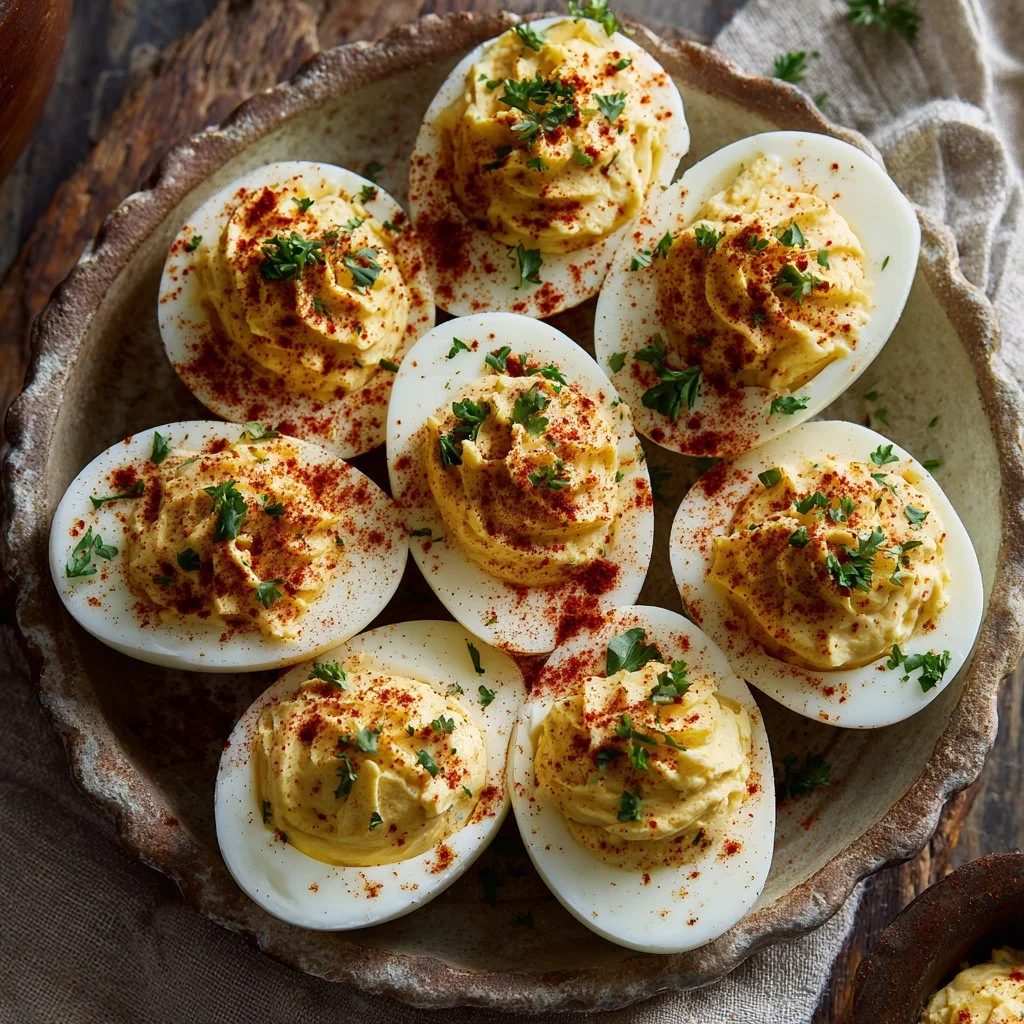
Bright, creamy, and impossibly simple, these deviled eggs are the kind of snack that disappears first at every gathering. They balance silky yolk filling with a whisper of tang and a dusting of paprika.
You can make them ahead, dress them up, or keep them classic for a perfect appetizer any day. Read on for technique, science, and pro visual cues to nail them every time.
If you love rich finger foods, you’ll want to bookmark variations and storage tips below and try a smoky bacon twist later.
Why You’ll Love This Classic Deviled Eggs
- Fast to make with minimal equipment.
- Crowd-pleaser for parties, potlucks, and holidays.
- Make-ahead friendly for stress-free entertaining.
- Rich, creamy filling with a bright tang.
- Easy to customize or keep classic for nostalgia.
- Budget-friendly ingredient list.
- Visually appealing with a simple paprika finish.
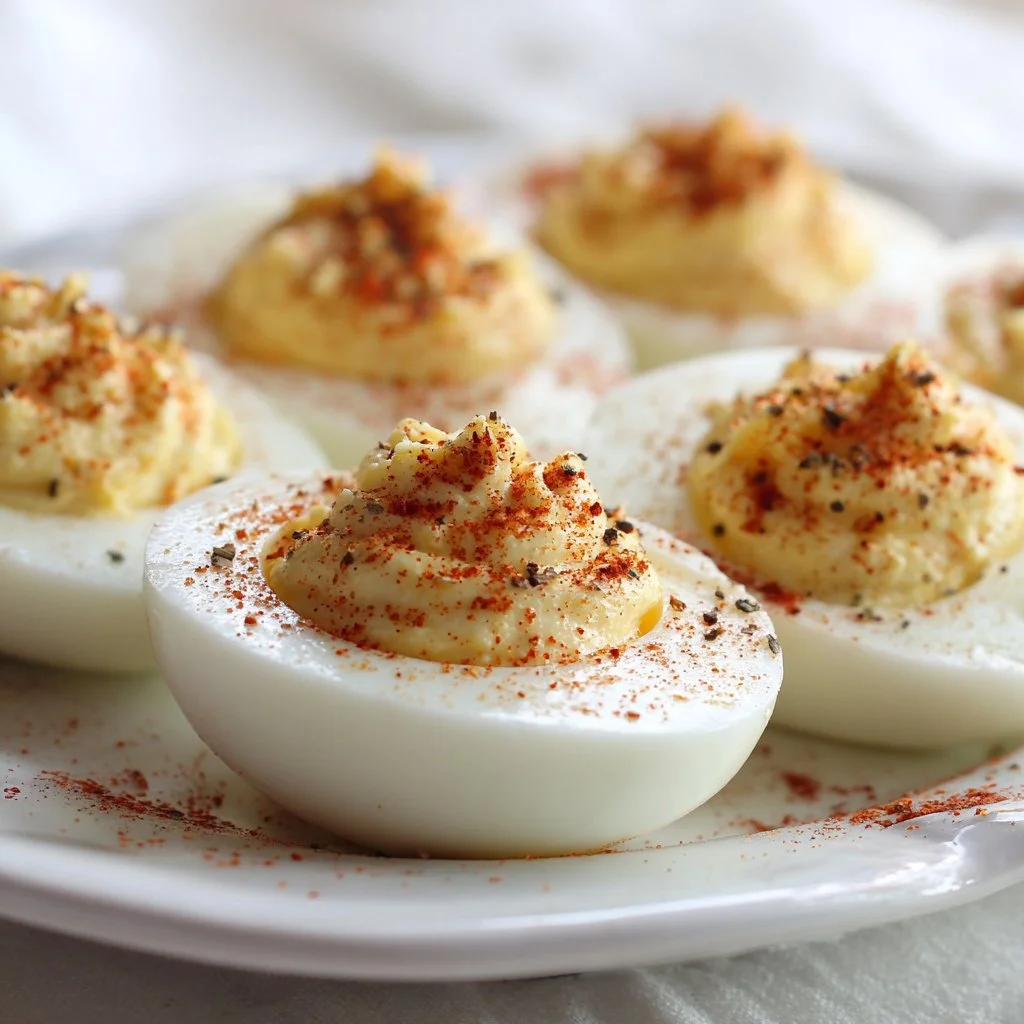
The flavor is rich and savory with a delicate tang from mustard and vinegar that cuts the fat of the mayonnaise. Texture is smooth and silky in the filling, set against the clean bite of chilled egg white halves for a balanced mouthfeel.
"Five stars — these are exactly the deviled eggs I’ve always wanted: creamy, just tangy enough, and the paprika finish makes them feel special. I made them for Easter and they vanished." — a happy reader
Key Ingredients for Classic Deviled Eggs
Eggs
Eggs are the backbone of deviled eggs; large eggs give consistent yolk size and ideal filling ratio. Buy fresh but not ultra-fresh — eggs 4–10 days old peel more cleanly after boiling. If you substitute with extra-large eggs, expect more filling per half and adjust seasoning slightly.
Mayonnaise
Mayonnaise provides the fat and silky mouthfeel that makes the yolk mixture luscious. Use a high-quality, neutral-flavored mayo for the smoothest texture; if you pick an olive-oil mayo, expect a slightly fruity note. For a lighter option, swapping part of the mayo for Greek yogurt brightens the flavor but slightly alters texture and tang.
Dijon mustard
Dijon adds tang, a subtle heat, and emulsifying power to the filling. Choose a creamy Dijon rather than a coarse mustard for an ultra-smooth mixture; a whole-grain swap will add texture and visual interest. If you skip mustard, the filling will taste flatter and may separate more easily.
Apple cider vinegar
A teaspoon of apple cider vinegar brightens the yolk filling and keeps the flavor lively against the mayo. White wine vinegar can replace it if needed, but avoid lemon juice as a direct swap unless you reduce other acidic elements. Omitting the vinegar produces a milder, less balanced taste and can make the filling feel heavier.
Full Ingredient List for Classic Deviled Eggs
- 6 large eggs
- 3 tablespoons mayonnaise
- 1 teaspoon Dijon mustard
- 1 teaspoon apple cider vinegar
- Salt to taste
- Black pepper to taste
- Paprika for garnish
Step-by-Step Instructions for Classic Deviled Eggs
Step 1: Place eggs in a saucepan and cover with cold water.
Nestle the eggs in a single layer in a saucepan and add cold water until eggs are covered by about an inch. Cold water start helps prevent cracking and cooks evenly from cool to hot.
Pro Tip: The water should look clear and just cover the eggs, with no floating or crowding.
Step 2: Bring the water to a gentle boil over medium heat.
Heat the pan over medium, watching so the water reaches a steady, gentle boil — not a furious rolling boil. A moderate boil reduces jostling that can crack shells and creates a consistent yolk texture.
Pro Tip: You should see small, steady bubbles, not violent splashing.
Step 3: Boil the eggs for about 10 minutes.
Once boiling, set a timer for 10 minutes to reach fully set yet tender yolks. Ten minutes yields firm yolks without the dry, chalky texture of overcooked eggs.
Pro Tip: The steam above the pot will smell faintly of cooked egg; the timer ensures consistent doneness.
Step 4: Transfer the eggs immediately to a bowl of ice water and let them cool completely.
Move the eggs to an ice bath to stop cooking instantly and to make peeling easier. Cool them for at least 10 minutes until completely chilled through.
Pro Tip: The eggs should feel cold to the touch and sit solidly in the bowl without sweating.
Step 5: Peel the eggs and slice them in half lengthwise.
Crack gently all over, then peel under running water for cleaner shells; slice each egg lengthwise with a sharp knife. A smooth cut reduces ragged edges and makes the presentation neater.
Pro Tip: Peeled whites should look glossy and uniform, with no powdery shell bits.
Step 6: Carefully remove the yolks and place them in a mixing bowl.
Lift yolks out with a small spoon or your fingers and add them to a bowl for mashing. Keep the white halves intact and tidy for easy filling.
Pro Tip: Yolks should be firm but not crumbly; if they flake, your cook time may have been slightly long.
Step 7: Mash the yolks with a fork until crumbly.
Use a fork to press the yolks into fine crumbs; the finer the mash, the smoother the final filling will be. Take a moment to break every lump before adding wet ingredients.
Pro Tip: The mashed yolks should look pale and powdery before you add mayonnaise.
Step 8: Add mayonnaise, Dijon mustard, apple cider vinegar, salt, and black pepper.
Combine the mayonnaise, mustard, and vinegar with the yolks; season gradually with salt and pepper and taste as you go. Emulsify everything together until the mix is homogenous.
Pro Tip: Before mixing, the bowl should smell tangy and faintly of mustard.
Step 9: Mix until the filling is smooth and creamy.
Stir vigorously or use a small hand mixer for an ultra-smooth texture, adjusting consistency with more mayo or a drop of vinegar if needed. The filling should be pipeable but hold its shape.
Pro Tip: Smooth filling will glisten slightly and have no visible granules.
Step 10: Spoon or pipe the filling into the egg white halves.
Use a spoon for rustic mounds or a pastry bag with a tip for decorative swirls. Work quickly so the filling stays cold and firm in the whites.
Pro Tip: Each filled half should look neat, with a slight peak if piped or a rounded dollop if spooned.
Step 11: Sprinkle paprika on top before serving.
Finish with a light dusting of paprika for color and a touch of sweetness or smoked paprika for depth. Serve chilled or keep refrigerated until serving time.
Pro Tip: The paprika should be an even, thin dusting — not clumped or wet.
Expert Tips for Classic Deviled Eggs
- Cool eggs fully in an ice bath for at least 10 minutes to prevent green rings and ensure easy peeling.
- For the silkiest filling, press yolks through a fine sieve or blend lightly with an immersion blender.
- If filling is too thick, add a teaspoon of mayonnaise or a splash of vinegar; too thin, add more yolk or a pinch of powdered egg yolk.
- Use a sharp serrated knife dipped in hot water for clean egg white halves when slicing.
- Chill assembled eggs for at least 30 minutes so flavors meld; keep covered until plating.
- Avoid over-salting — mayonnaise and mustard add sodium; season incrementally.
- Equipment tip: a small piping bag with a star tip gives bakery-style swirls for high-impact presentation.
- Common mistake: boiling too hard or too long creates rubbery whites and chalky yolks; aim for a steady gentle boil.
Storage & Freezing for Classic Deviled Eggs
Fridge storage: Store unfilled egg whites and yolk filling separately in airtight containers for up to 2 days. Once filled, keep assembled deviled eggs in a covered container and refrigerate; consume within 24–48 hours for best texture.
Freezer storage: Do not freeze assembled deviled eggs; freezing alters the egg white texture and makes the filling watery. You can freeze cooked, peeled whole eggs briefly, but quality suffers; it’s not recommended.
Thawing and reheating: If you freeze the yolk filling (not ideal), thaw overnight in the fridge and beat to recombine before using. Reheating is unnecessary — serve chilled. When reheating whole eggs from freezer (not recommended), do so gently and expect textural changes.
Best containers: Use shallow airtight boxes or egg-specific containers with separators to prevent jostling. For parties, arrange filled eggs on a tray and cover with plastic wrap to protect the presentation.
Variations & Substitutions for Classic Deviled Eggs
Smoky Bacon Deviled Eggs
Fold finely crumbled cooked bacon into the filling and top with extra bacon bits. The bacon adds a smoky, savory crunch and salty depth that pairs beautifully with creamy yolks.
Herbed Lemon Deviled Eggs
Stir in finely chopped chives, dill, and a squeeze of lemon instead of apple cider vinegar. The herbs brighten the filling and the lemon adds a fresher, lighter finish.
Avocado Deviled Eggs
Replace half the mayonnaise with ripe mashed avocado for a green, creamy twist and a boost of healthy fats. The texture becomes slightly denser and the flavor more earthy; garnish with cilantro or chili flakes.
Curried Deviled Eggs
Add a teaspoon of mild curry powder and a pinch of turmeric to the filling for warm, aromatic notes. This transforms the eggs into a bold, spiced bite that pairs well with crisp pickles or chutney.
Frequently Asked Questions About Classic Deviled Eggs
What is the best way to hard-boil eggs for deviled eggs?
Start eggs in cold water, bring to a gentle boil, then simmer for about 10 minutes for large eggs. Immediately transfer to an ice bath to stop cooking. This method minimizes cracking and produces evenly cooked yolks that are easy to peel.
Why are my deviled egg yolks grainy or chalky?
Grainy yolks usually mean they were slightly overcooked or not mashed finely before adding mayo. Ensure a precise 10-minute boil and mash yolks thoroughly or pass them through a fine sieve for a velvety filling.
How far ahead can I make deviled eggs?
You can prepare filling and whites separately up to 48 hours ahead. Fill the eggs no more than 24 hours before serving for optimal texture and freshness. Keep both components refrigerated in airtight containers.
Can I make the filling without mayonnaise?
Yes — swap part or all of the mayo for Greek yogurt, mashed avocado, or a blended silken tofu for different textures. Each swap changes flavor and creaminess; yogurt adds tang, avocado adds density and color.
How do I prevent green rings around the yolks?
Rapidly cooling the eggs in an ice bath immediately after boiling prevents the iron-sulfur reaction that causes green rings. Also avoid overcooking; the ice bath keeps yolks bright yellow and tender.

Final Thoughts on Classic Deviled Eggs
If you enjoyed this recipe, please leave a star rating in the recipe card below and pin it to Pinterest for parties and holidays. For more inspiration and similar spins on deviled eggs, check out Mary Nolan’s Classic Deviled Eggs on Food Network, the crowd-pleasing Easy Deviled Eggs on Tastes Better From Scratch, and another clear, practical take at Downshiftology’s Classic Deviled Eggs.
Note: For more creative twists, see our guide to Million Dollar Bacon deviled eggs in the intro.
Try texture ideas inspired by protein-packed cottage cheese eggs in the Why You’ll Love section.
If you want plating and timing notes, compare technique to the Baked Eggs Napoleon approach mentioned above.
For oven-based tricks that can inform texture control, review tips similar to our classic banana bread tips referenced in the steps.
And for long-term storage mindset and batch-cooking ideas, see the preservation approach in our classic beef chili guide.
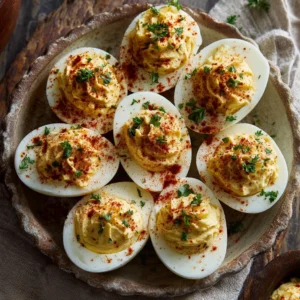
Classic Deviled Eggs
Ingredients
Main ingredients
- 6 large large eggs Use eggs 4–10 days old for better peeling.
- 3 tablespoons mayonnaise Use high-quality for the best texture.
- 1 teaspoon Dijon mustard Choose creamy Dijon for a smoother filling.
- 1 teaspoon apple cider vinegar White wine vinegar can be substituted.
- to taste salt Season incrementally.
- to taste black pepper Season incrementally.
- Paprika for garnish Paprika Sprinkle on top before serving.
Instructions
Preparation
- Place eggs in a saucepan and cover with cold water, ensuring they are in a single layer.
- Bring the water to a gentle boil over medium heat.
- Boil the eggs for about 10 minutes.
- Transfer the eggs immediately to a bowl of ice water and let them cool completely for at least 10 minutes.
- Peel the eggs and slice them in half lengthwise.
- Carefully remove the yolks and place them in a mixing bowl.
- Mash the yolks with a fork until crumbly.
Mixing and Filling
- Add mayonnaise, Dijon mustard, apple cider vinegar, salt, and black pepper to the mashed yolks.
- Mix until the filling is smooth and creamy.
- Spoon or pipe the filling into the egg white halves.
- Sprinkle paprika on top before serving.