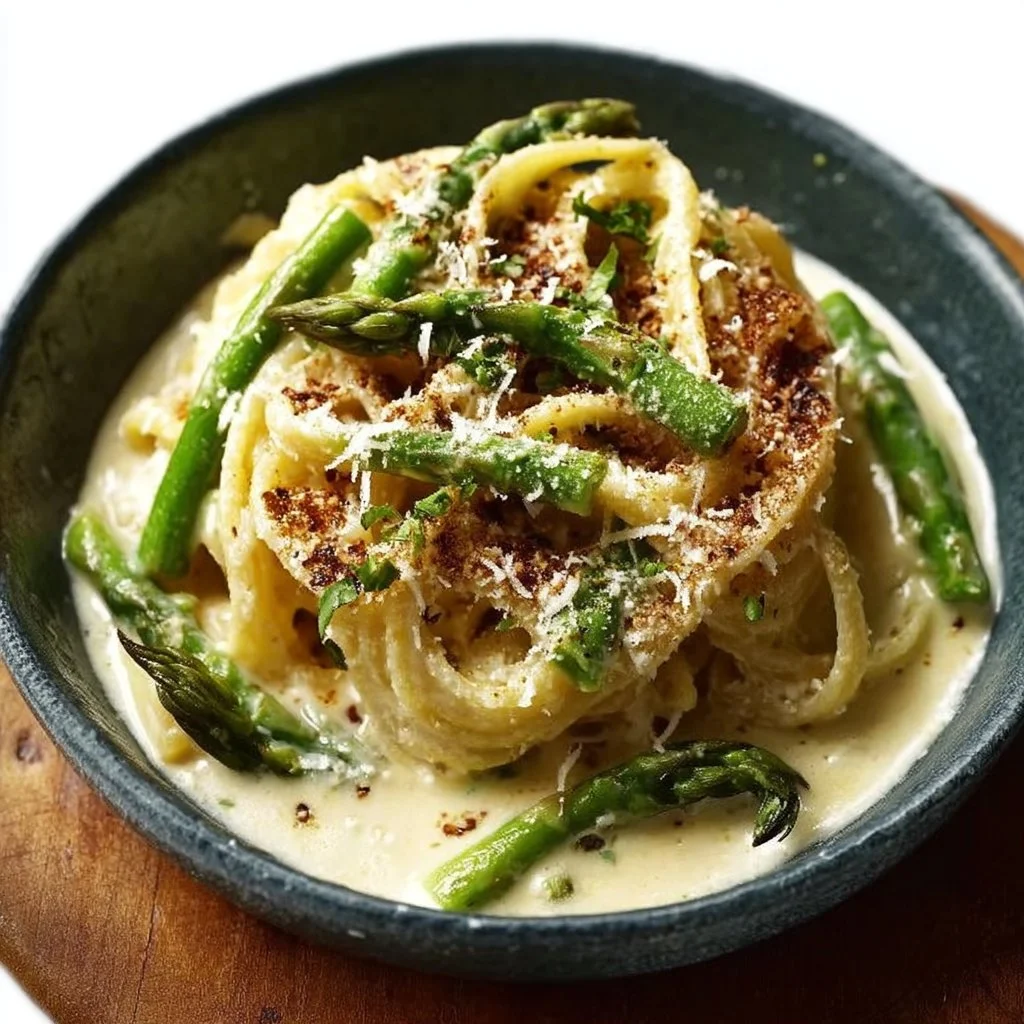
Bright, creamy, and impossibly simple, this Asparagus & Lemon Cream Pasta is a spring weeknight hero.
It comes together fast, uses a handful of pantry staples, and feels restaurant-worthy.
The lemon lifts the cream; the asparagus adds snap and color.
You’ll be eating in less than 30 minutes.
If you enjoy lemon-forward comfort food, try pairing ideas like a 4-ingredient lemon cream cheese dump cake for a matching citrus finish.
Why You’ll Love This Asparagus & Lemon Cream Pasta
– Light but indulgent: creamy sauce without heaviness.
– Bright citrus lift from lemon juice and zest.
– Fast: ready in under 30 minutes from start to finish.
– Seasonal: showcases fresh asparagus at peak flavor.
– Flexible: easy to add protein or swap pasta shapes.
– Minimal cleanup: one skillet for the sauce.
This dish balances silky richness and lively acidity. The heavy cream provides body so the pasta is coated smoothly, while lemon juice and zest cut through the fat to keep each bite clean. The asparagus offers a crisp-tender contrast and a vegetal note that makes the whole plate sing.
"★★★★★ I made this on a busy weeknight and couldn’t believe how fresh and elegant it tasted. Bright lemon, tender asparagus, and a silky sauce — so easy and satisfying."
Key Ingredients for Asparagus & Lemon Cream Pasta
– Heavy cream: Heavy cream is the backbone of the sauce, giving it body and the ability to cling to pasta. Choose cream labeled 36%–40% fat for best emulsification; lower-fat creams can separate and give a thinner sauce. If you must substitute, whole milk plus a tablespoon of butter will work but expect a looser texture and less sheen.
– Lemon (juice + zest): Lemon provides essential acidity that brightens the cream and prevents the sauce from tasting flat. Always zest before juicing to avoid losing aromatic oils; use unwaxed lemons for the best zest. If substituting, a splash of white wine or a teaspoon of white wine vinegar can add acidity but won’t deliver the same fresh citrus aroma.
– Asparagus: Asparagus gives texture, color, and a slightly sweet, grassy flavor that pairs perfectly with lemon. Choose firm, straight stalks with closed tips; thicker stalks can be peeled at the base for tenderness. If asparagus is out of season, substitute blanched broccolini or snap peas for a similar snap.
– Pasta (fettuccine or linguine): Long, ribbon-like pastas hold creamy sauces particularly well because the sauce clings to broad surfaces. Use high-quality durum wheat pasta for good bite (al dente). If you use short pasta like penne, the dish still works but the mouthfeel changes; reduce the sauce slightly so it’s not overwhelming.
Full Ingredient List for Asparagus & Lemon Cream Pasta
– 8 oz pasta (like fettuccine or linguine)
– 1 bunch asparagus, trimmed and cut into 2-inch pieces
– 1 cup heavy cream
– 2 tablespoons lemon juice
– Zest of 1 lemon
– 2 tablespoons olive oil
– 2 cloves garlic, minced
– Salt and pepper to taste
– Parmesan cheese, grated (for serving)
– Fresh parsley, chopped (for garnish)
Step-by-Step Instructions for Asparagus & Lemon Cream Pasta
Step 1: Cook the pasta
Bring a large pot of water to a rolling boil, salt it generously, and add the pasta. Follow the package timing but stop a minute shy of the listed time so the pasta stays al dente when tossed in the sauce. Drain the pasta, reserving 1/2 cup of the pasta cooking water to adjust sauce consistency if needed.
Pro Tip: The pasta should look glossy with no raw flour smell and feel firm under bite but not chalky.
Step 2: Sauté the garlic
Heat 2 tablespoons of olive oil in a wide skillet over medium heat. Add the minced garlic and cook just until fragrant, about 30–60 seconds, watching carefully so it doesn’t brown and turn bitter.
Pro Tip: The garlic should smell bright and not toasted; a pale golden edge is ideal.
Step 3: Cook the asparagus
Add the asparagus pieces to the skillet and sauté for 3–4 minutes. You want them cooked through but still with a slight snap; thicker stalks may need an extra minute or two. Season lightly with salt to help draw out crispness and flavor.
Pro Tip: The asparagus will be vibrantly green with a fork inserted easily but still with a slight resistance.
Step 4: Make the lemon cream sauce
Pour in the heavy cream, then add the lemon juice and zest. Stir to combine, bring the mixture to a gentle simmer, and let it thicken for 2–3 minutes. Taste and season with salt and pepper; the sauce should coat the back of a spoon.
Pro Tip: The sauce should look glossy and coat the pasta evenly, not pool like thin soup.
Step 5: Toss pasta in the sauce
Add the drained pasta to the skillet and toss using tongs to fully coat each strand. If the sauce feels too thick, add a splash of the reserved pasta water to loosen it and help the sauce adhere to the noodles.
Pro Tip: The pasta should be slick and shiny with tiny droplets of sauce clinging to each strand.
Step 6: Serve and garnish
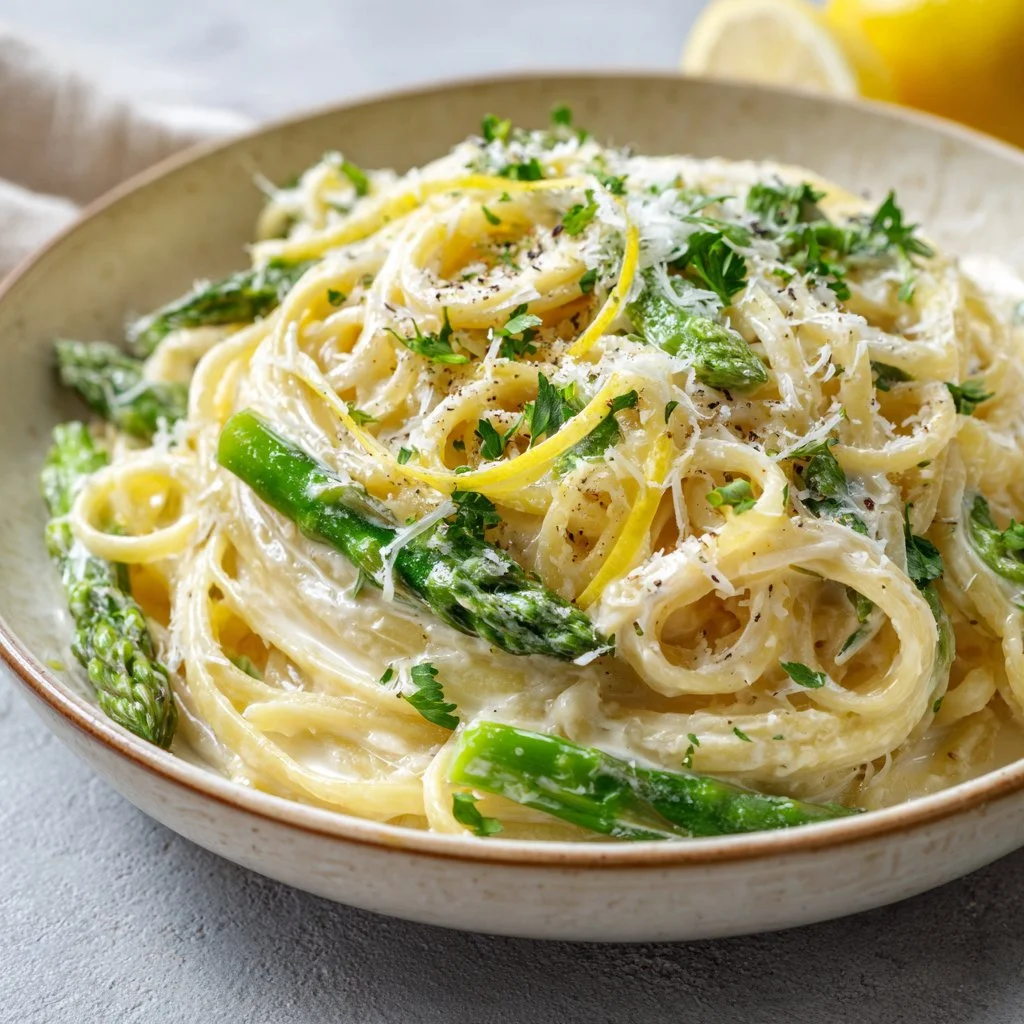
Divide the pasta among bowls and finish with grated Parmesan and chopped parsley for freshness and a salty umami lift. Serve immediately so the sauce keeps its texture and the asparagus stays crisp-tender.
Pro Tip: The finished dish should look bright with flecks of lemon zest and green asparagus, and smell of citrus and garlic.
In one of my other creamy pasta posts, I explore how dairy and acids balance in sauces like this creamy garlic shrimp pasta, which can help if you like protein-added versions.
Expert Tips for Asparagus & Lemon Cream Pasta
– Temperature tip: Keep your skillet at medium to medium-low when adding cream. Too-hot cream will boil aggressively and risk breaking; gentle simmering yields the best emulsion.
– Texture troubleshooting: If the sauce separates, remove from heat and whisk in a tablespoon of cold cream or a little reserved pasta water to bring it back together.
– Equipment tip: Use a wide, heavy skillet so pasta and sauce marry evenly; narrow pans trap steam and can make the asparagus soggy.
– Pasta doneness: Aim for al dente — it will continue to cook slightly when tossed with the hot sauce. Test early to avoid mushy strands.
– Flavor layering: Add salt at multiple stages: pasta water, asparagus, and final seasoning. This builds depth more than salting only at the end.
– Acid balance: Taste before adding extra lemon; different lemons vary in brightness, and adding too much acid can overpower the cream.
– Garnish strategy: Freshly grated Parmesan melts better and gives a silkier finish than pre-grated varieties, which can clump.
– Common mistakes: Overcooking asparagus, overheating the cream, and failing to reserve pasta water are the top three issues; stay attentive to timing and keep that water handy.
For an alternate take on sauce texture and richness, reading how other creamy beef recipes handle emulsification can be useful, such as this creamy beef pasta technique guide.
Storage & Freezing for Asparagus & Lemon Cream Pasta
Fridge storage: Place leftovers in an airtight container and refrigerate for up to 3 days. The cream will thicken in the cold; loosen with a splash of milk or reserved pasta water when reheating.
Freezer storage: Cream-based pasta does not freeze well; the texture of the sauce will degrade. If you must freeze, keep asparagus separate and freeze only the pasta with minimal sauce in a freezer-safe container for up to 1 month. Thaw overnight in the fridge.
Thawing and reheating: Thaw frozen portions in the refrigerator. Reheat gently in a skillet over low heat, adding a tablespoon or two of milk, cream, or pasta water to restore sauce creaminess. Use a microwave on 50% power in short bursts if needed, stirring between intervals.
Best containers: Use glass or BPA-free plastic airtight containers for fridge storage. For freezing, use vacuum-sealed bags or heavy-duty freezer containers to minimize ice crystals.
Variations & Substitutions for Asparagus & Lemon Cream Pasta
– Add protein — shrimp: Sear peeled shrimp in the skillet before garlic and remove; add them back in with the pasta so they finish in the sauce. This yields a briny-sweet uplift and makes the meal heartier. Include a link to similar techniques like seafood cream pastas for guidance.
– Swap pasta shape — short pasta: Use penne or rigatoni and toss the sauce so it fills the tubes; this changes bite and is more utensil-friendly for kids. Expect a slightly different sauce distribution since short shapes trap sauce differently.
– Make it dairy-light — Greek yogurt: Replace half the cream with full-fat Greek yogurt off heat to lower calories and add tang; temper the yogurt by whisking with a little hot sauce before adding to avoid curdling. The result is tangier and less glossy but still satisfying.
– Add umami — mushrooms and pancetta: Sauté diced pancetta until crisp and set aside; brown mushrooms in the rendered fat before garlic. Return pancetta at the end for a smoky, savory depth that pairs well with lemon brightness. For a similar rich swap, look at hearty ground-beef creamy recipes like creamy ground beef pasta which uses comparable umami-building steps.
Frequently Asked Questions About Asparagus & Lemon Cream Pasta
Q: Can I make this gluten-free?
A: Yes. Use a good-quality gluten-free linguine or fettuccine and cook to package directions. Note that some gluten-free pastas have a different absorbency, so reserve more pasta water to adjust sauce thickness.
Q: How do I prevent the cream sauce from separating?
A: Keep the heat moderate and avoid boiling the cream. If additions are cold (like cheese or reserved pasta water), temper them by mixing a small amount of hot sauce into them before stirring into the skillet. A gentle whisk off-heat can also re-emulsify.
Q: Can I prep any elements ahead of time?
A: Trim and cut asparagus, zest the lemon, and mince garlic up to a day ahead and refrigerate. Cook pasta ahead but cool it quickly and toss with a tablespoon of olive oil to prevent sticking; reheat briefly in the sauce when serving.
Q: Is it safe to use lemon zest with the pith?
A: Avoid the white pith when zesting; it’s bitter. Use a microplane to capture only the outer yellow zest which contains aromatic oils and bright flavor.
Q: What can I serve with this pasta?
A: Serve with a simple green salad, crusty bread, or a light roasted fish. For a matching lemon-cream dessert idea, contrast textures with a citrus-savory cake like the baked cod in coconut lemon cream sauce article for pairing inspiration.
Final Thoughts on Asparagus & Lemon Cream Pasta
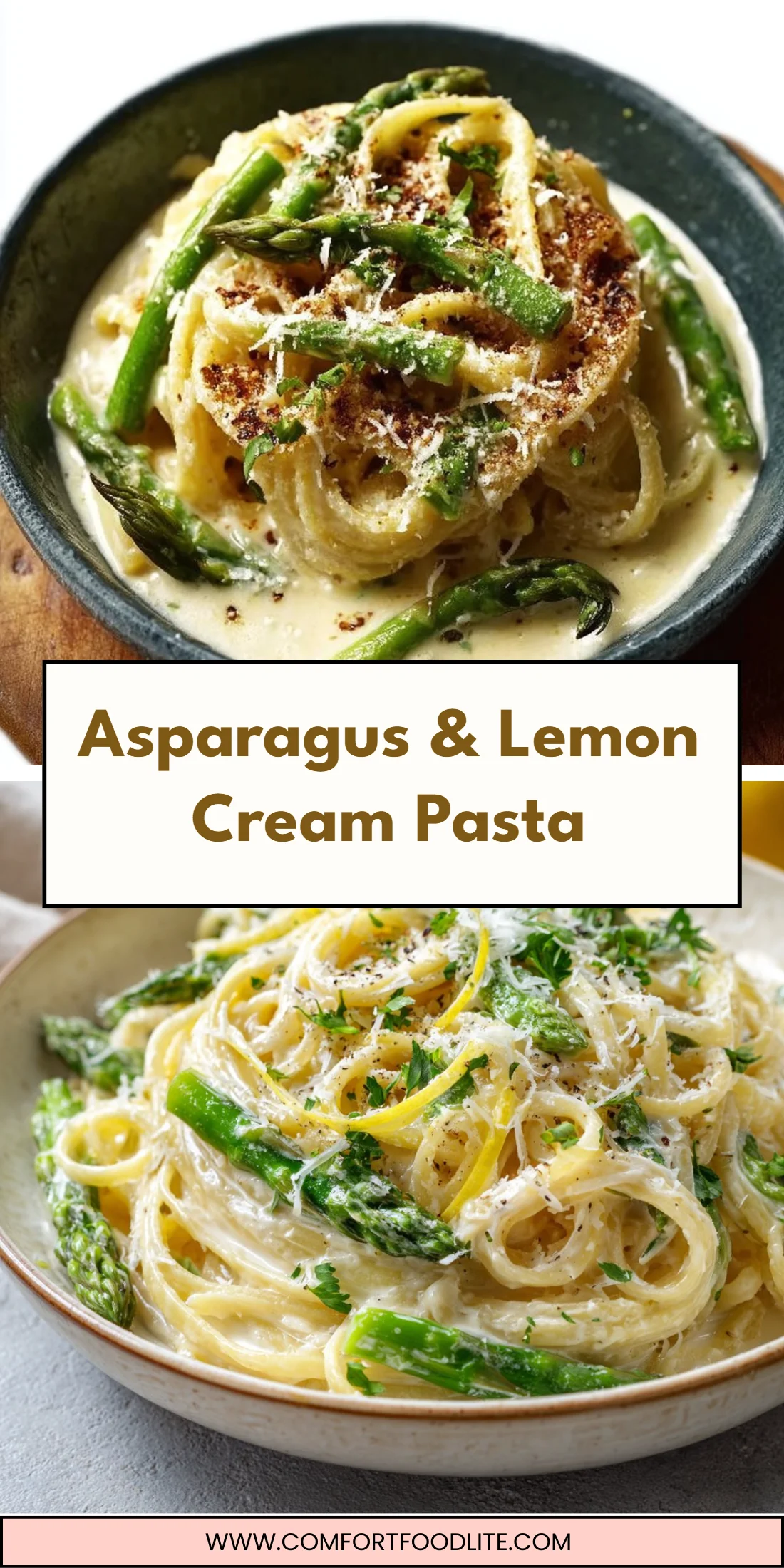
This Asparagus & Lemon Cream Pasta is bright, quick, and adaptable for many weeknight moods.
If you loved the recipe, please leave a star rating in the recipe card below and pin this to Pinterest for later.
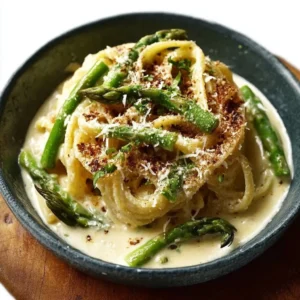
Asparagus & Lemon Cream Pasta
Ingredients
Main Ingredients
- 8 oz pasta (like fettuccine or linguine) Use high-quality durum wheat pasta for good bite.
- 1 bunch asparagus, trimmed and cut into 2-inch pieces Choose firm, straight stalks with closed tips.
- 1 cup heavy cream Choose cream labeled 36%–40% fat for best emulsification.
- 2 tablespoons lemon juice
- 1 lemon Zest of 1 lemon Use unwaxed lemons for the best zest.
- 2 tablespoons olive oil
- 2 cloves garlic, minced
- Salt and pepper to taste
- Parmesan cheese, grated (for serving)
- Fresh parsley, chopped (for garnish)
Instructions
Preparation
- Bring a large pot of water to a rolling boil, salt it generously, and add the pasta. Follow the package timing but stop a minute shy of the listed time so the pasta stays al dente when tossed in the sauce. Drain the pasta, reserving 1/2 cup of the pasta cooking water.
- Heat 2 tablespoons of olive oil in a wide skillet over medium heat. Add minced garlic and cook until fragrant, about 30–60 seconds.
- Add asparagus pieces to the skillet and sauté for 3–4 minutes. Season lightly with salt.
- Pour in the heavy cream, add the lemon juice and zest. Stir to combine, bring to a gentle simmer, and let it thicken for 2–3 minutes. Taste and season with salt and pepper.
- Add the drained pasta to the skillet and toss to coat each strand. If the sauce feels too thick, add some reserved pasta water.
- Divide the pasta among bowls, finish with grated Parmesan and chopped parsley. Serve immediately.