
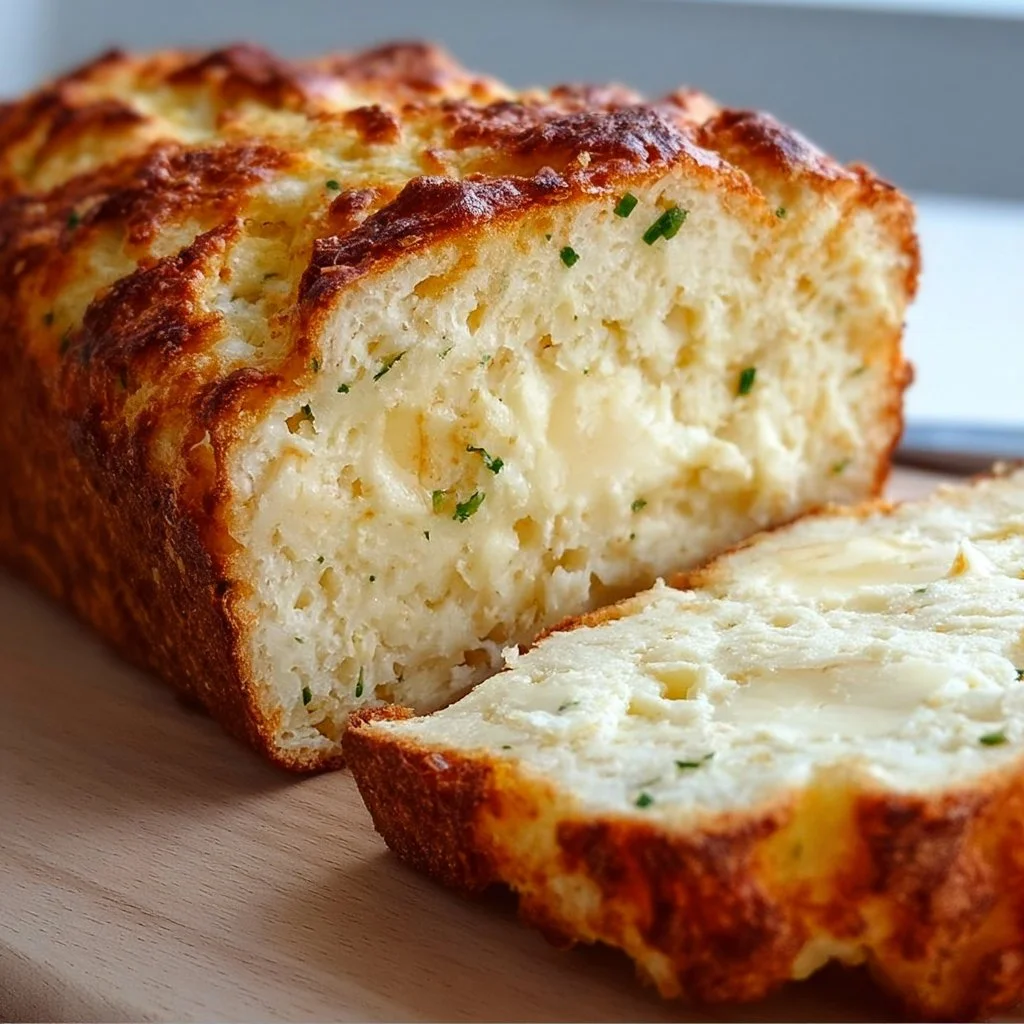
The first time I made this 2-ingredient cottage cheese bread I was skeptical it would hold together, but it rose to the occasion and became my go-to low-carb loaf for quick sandwiches.
It bakes in under 30 minutes and uses pantry-friendly staples, which makes it perfect for busy weeknights and meal prep.
This simple recipe is a great gateway into homemade low-carb baking — light crumb, subtle tang from the cottage cheese, and a golden top that crisps just enough.
If you like quick savory bakes, pair a warm slice with a smoothie or a bright salad for a complete meal like my creamy avocado-cottage combination, which is a favorite for fast breakfasts: Avocado Cottage Cheese Smoothie.
Why You’ll Love This Recipe
- Ready in about 30 minutes from start to slice.
- Only two main ingredients and very few extra tools required.
- Low-carb and keto-friendly when you use almond flour.
- Versatile — use it for wraps, mini pizzas, or sandwich bread.
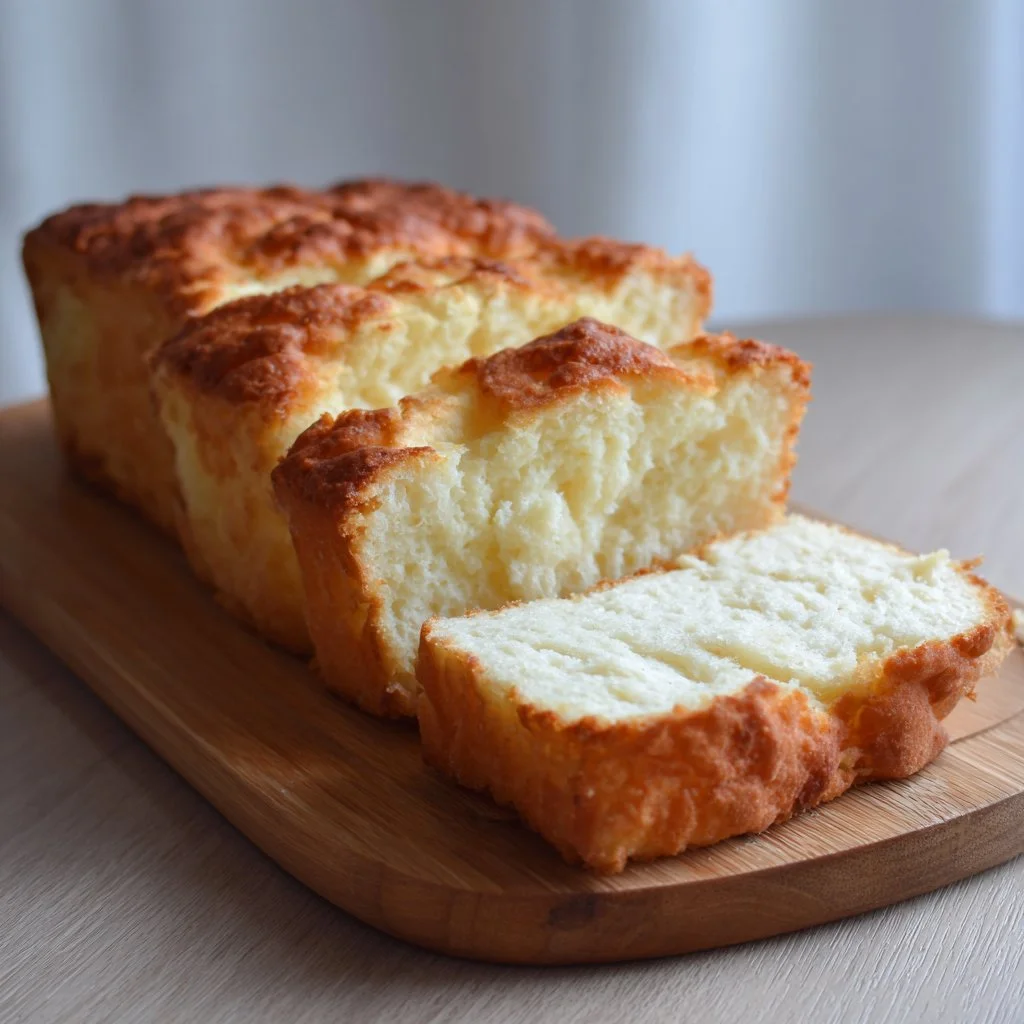
- Texture: soft and slightly springy with a thin golden crust.
The crumb is surprisingly tender given how few ingredients there are.
Cottage cheese gives a moist, slightly tangy interior while almond flour keeps the loaf dense enough to hold fillings without feeling gummy.
Baking develops a thin, toasty crust on top that adds a contrast of texture; when cooled the slices are sturdy enough for layering meats, cheeses, or spreads.
"Five stars — I made this for weeknight lunches and it keeps well in the fridge. Tastes like homemade bread but without the fuss!" — reader review
Key Ingredients
Cottage cheese — This is the recipe’s backbone.
Full-fat cottage cheese works best because the fat contributes to a richer mouthfeel and helps the bread brown.
If you only have low-fat, the loaf will still work but may be slightly drier.
If you want a smoother texture, briefly blitz the cottage cheese in a food processor before mixing.
Almond flour — Almond flour provides structure without gluten.
It absorbs moisture from the cottage cheese and gives a pleasant, slightly nutty flavor.
If you use a blanched finely ground almond flour (not almond meal), the crumb will be finer and less gritty.
Brands like Bob’s Red Mill or King Arthur have reliable almond flours, but store brands can also be fine if finely ground.
Any low-carb flour — If you prefer a different low-carb base, options like cassava, coconut (used carefully), or a low-carb baking blend will work.
Note that coconut flour absorbs much more liquid, so you cannot swap it 1:1 with almond flour.
If you choose a commercial low-carb blend, check the package notes for substitution ratios and adjust cottage cheese consistency accordingly.
Seasonings (optional) — Salt, garlic powder, dried herbs, or grated Parmesan will all change the loaf’s character with negligible fuss.
A half teaspoon of salt wakes up flavors, while herbs like rosemary or thyme make an aromatic slice that pairs well with savory toppings.
Ingredients
- 1 cup cottage cheese
- 1 cup almond flour or any low-carb flour
- Optional: 1/2 teaspoon salt, 1/2 teaspoon garlic powder, or 1–2 teaspoons dried herbs
Step-by-Step Instructions
Step 1: Preheat the oven
Preheat your oven to 350°F (175°C).
Grease a small baking pan — an 8×4-inch loaf pan or an equivalent dish works well.
Preheating ensures the loaf sets quickly and develops a light crust.
Pro tip: Use an oven thermometer if your oven runs hot or cool; accurate temperature matters for the exterior to brown properly.
Step 2: Combine the cottage cheese and almond flour
Place 1 cup of cottage cheese and 1 cup of almond flour in a mixing bowl.
Mix with a spatula until homogenous; you can also pulse briefly in a food processor for a smoother batter.
The mixture will look like a thick, slightly lumpy batter rather than a stiff dough.
Pro tip: If you want a finer crumb, process the cottage cheese first to break up large curds.
Visual cue: The batter should pull together into a cohesive mass and not be runny.
Step 3: Season (optional)
If desired, add salt, garlic powder, dried oregano, or chopped fresh herbs.
Fold gently until evenly distributed; avoid overmixing.
Season to taste — a little salt goes a long way with cottage cheese.
Pro tip: For savory sandwiches, fold in a tablespoon of grated Parmesan or a pinch of smoked paprika for depth.
Visual cue: Seasonings should be evenly speckled through the batter.
Step 4: Transfer to pan
Pour the mixture into your greased baking pan and smooth the top with a spatula.
Leveling the surface helps the loaf bake evenly and produce a uniform crust.
Tap the pan lightly on the counter to release large air pockets.
Pro tip: Line the pan with parchment for an easy lift-out once cooled.
Visual cue: The batter should reach the same height across the pan with no large holes.
Step 5: Bake
Bake for 25–30 minutes until the top is golden brown and a toothpick inserted in the center comes out mostly clean.
If the top browns faster than the interior cooks, loosely tent foil over the pan for the final 5–10 minutes.
Ovens vary, so start checking at 20 minutes.
Pro tip: A golden top and slight spring-back when gently pressed indicate doneness.
Visual cue: Edges will pull slightly away from the pan and the top will be evenly browned.
Step 6: Cool and slice
Let the loaf cool in the pan for 10–15 minutes, then transfer to a rack to cool completely before slicing.
Cooling firms up the crumb and makes slicing easier.
Use a serrated knife and gentle sawing motions to maintain clean slices.
Pro tip: For neat sandwich slices, chill the loaf for 30 minutes before slicing.
Visual cue: Wait until the center is set and not tacky when touched.
Expert Tips for Success
Measure carefully — Almond flour packs differently than wheat flour, so spoon it into your measuring cup and level it off rather than scooping.
Small measurement differences change the batter’s hydration quickly.Choose the right cottage cheese — Full-fat and small-curd cottage cheese yield the best texture.
If your cottage cheese is very watery, drain it briefly in a fine mesh sieve to avoid a soggy loaf.Food processor vs. bowl mixing — A quick 5–8 second pulse in a food processor smooths out curds and creates a finer crumb.
If you prefer a slightly rustic texture, mix by hand.Don’t substitute coconut flour 1:1 — Coconut flour soaks up moisture and will create an unworkable dough if swapped without reducing the amount dramatically and adding more eggs or liquid.
Stick to almond flour or a blended low-carb flour unless you adjust ratios carefully.Watch baking temps — If your oven runs hot, check at 20 minutes to prevent over-browning.
Conversely, if your top browns quickly but the center is underdone, lower the oven by 25°F and extend baking time.Add-ins and mix-ins — Stir-ins like chopped olives, sun-dried tomatoes, or shredded cheese change moisture and bake time slightly.
Keep add-ins light — about 1/3 to 1/2 cup — to avoid weighing down the loaf.Pan choice matters — An 8×4-inch loaf pan produces a taller loaf; a wider pan yields thinner slices that bake faster.
Glass pans may darken faster; reduce temperature by 25°F if using glass.Make ahead and meal prep — Slice and separate with parchment for easy sandwich assembly.
This loaf freezes well for quick breakfasts or packed lunches; toast from frozen for best texture.
You can use this bread with fruity pairings too; it’s a surprising match with cottage cheese and berries — try it alongside a smoothie for a complete bite: Cottage Cheese Blueberry Smoothie.
Storage & Freezing
Store in the fridge — Wrap cooled slices tightly in plastic wrap or place in an airtight container.
Stored this way, the bread keeps for 4–5 days.
Separate slices with parchment to prevent sticking and make grab-and-go assembly simple.
Freeze for longer storage — To freeze, slice the cooled loaf and lay slices flat on a baking sheet lined with parchment.
Flash-freeze for 1–2 hours, then transfer slices to a freezer bag or airtight container with parchment between layers.
Frozen slices keep well for up to 3 months.
Reheating — From the fridge, toast slices on medium heat for 2–3 minutes per side to refresh the crust.
From frozen, toast directly for 4–6 minutes or warm in a 350°F oven for 8–12 minutes until heated through.
A quick microwave for 20–30 seconds works in a pinch but will soften the crust.
If you’re preparing sandwiches for the week, pairing the loaf with fresh, tropical flavors works well; try a mango-cottage pairing for a bright contrast when reheating: Cottage Cheese Mango Smoothie.
Variations & Substitutions
Herbed savory loaf — Stir in 1–2 teaspoons of mixed dried herbs (oregano, thyme, rosemary) and a bit of grated Parmesan for Italian-style slices.
These make excellent bases for mini pizzas or bruschetta-style open sandwiches.
Cheesy version — Fold in 1/3 cup shredded cheddar or mozzarella before baking.
Cheese adds richness and helps bind the crumb; reduce added salt if your cheese is salty.
Spicy sesame seed loaf — Add 1/2 teaspoon chili flakes, 1 teaspoon sesame seeds on top, and a pinch of garlic powder.
This gives a flavorful crust and a kick that pairs well with sliced meats.
Fruit-friendly swap — While this loaf is typically savory, add 1–2 tablespoons of honey (if not strictly keto) and a teaspoon of cinnamon for a slightly sweet bread.
Top it with cottage cheese and fresh peach slices for a morning treat: Cottage Cheese Peach Smoothie.
Frequently Asked Questions
Q: Is this really only two ingredients?
A: Yes. The base recipe uses 1 cup cottage cheese and 1 cup almond flour.
Optional seasonings or cheese are add-ins, not required.
The two ingredients are enough to form a cohesive loaf because almond flour absorbs moisture and cottage cheese provides protein and binding.
Q: Can I make this dairy-free?
A: Not easily. Cottage cheese is the primary binder and moisture source.
A dairy-free alternative would require a different approach — for example, a seed-based batter or using silken tofu as a substitute, but results and texture will differ significantly.
Q: How can I make the loaf less crumbly?
A: Ensure you use finely ground almond flour and full-fat cottage cheese.
Briefly processing the cottage cheese for a smoother consistency helps, and chilling the loaf before slicing firms the crumb.
Q: Can I add eggs to make it rise more?
A: You can add an egg or egg white to increase rise and structure, though that technically changes the "two-ingredient" premise.
If you add an egg, your loaf will be slightly taller and have more of a bread-like lift.
Q: Is this suitable for a keto diet?
A: Yes, when made with almond flour and without sweet add-ins, this loaf is low in carbs and fits well in many keto meal plans.
Check specific brands for carb counts to fit your macro targets.
Final Thoughts
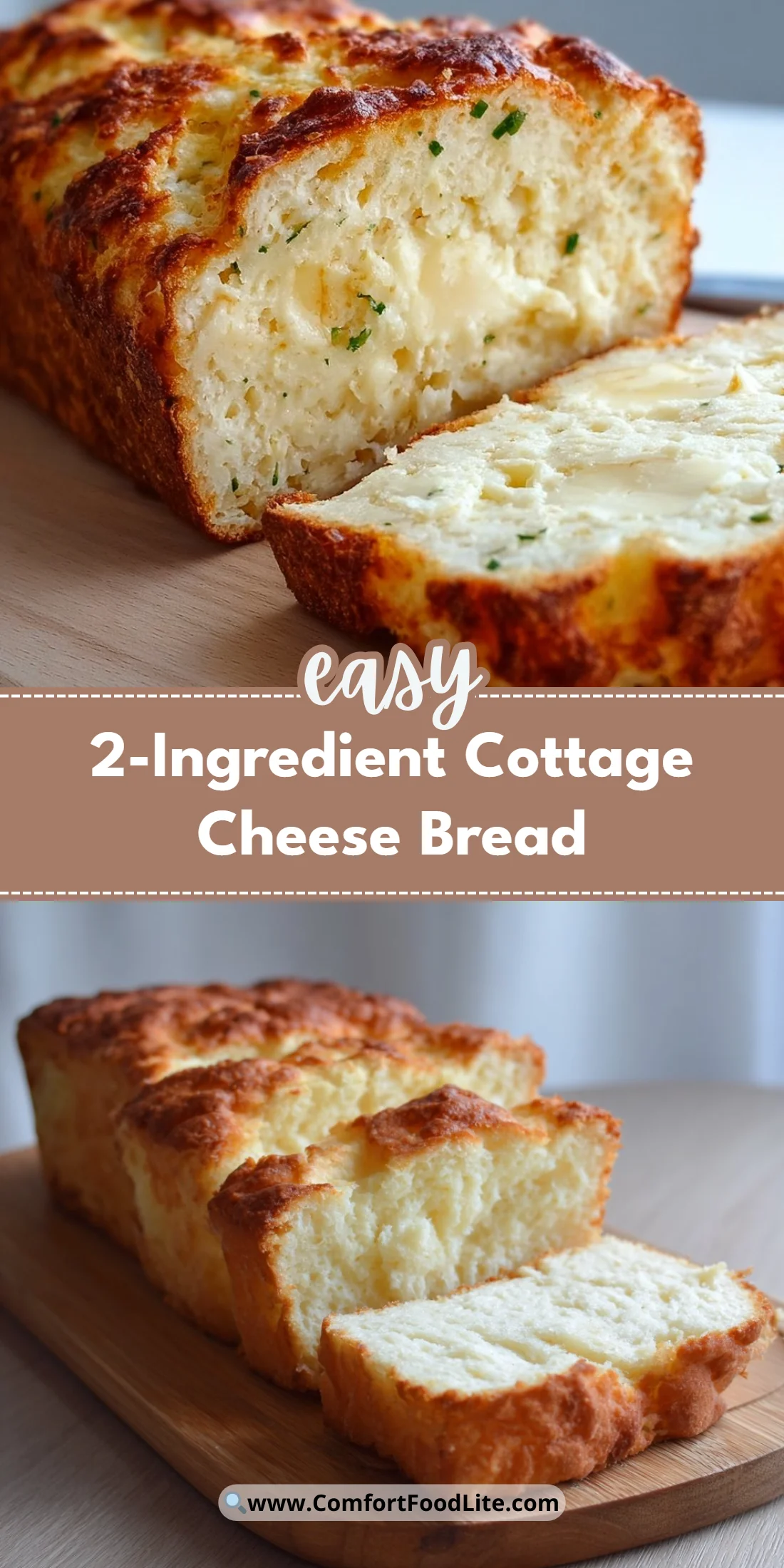
This 2-ingredient cottage cheese bread is a tiny miracle for busy cooks — fast to make, adaptable, and reliably tasty.
If you enjoyed this recipe, please leave a star rating in the recipe card below and consider pinning it to Pinterest for later.
For another take on the same simple idea, see Easy 2 Ingredient Cottage Cheese Bread Recipe – Suzie The Foodie, a flatter version at 2 Ingredient Cottage Cheese Flatbread – Instrupix, and soft rolls made without yeast here: 2 Ingredient Cottage Cheese Bread Rolls (No Yeast or Kneading).

Cottage Cheese Bread
Ingredients
Main Ingredients
- 1 cup cottage cheese Full-fat works best for moisture and richness.
- 1 cup almond flour Finely ground almond flour is recommended for the best texture.
Optional Seasonings
- 1/2 teaspoon salt Enhances the flavor.
- 1/2 teaspoon garlic powder Adds a savory touch.
- 1-2 teaspoons dried herbs Herbs like oregano or thyme for added flavor.
Instructions
Preparation
- Preheat your oven to 350°F (175°C) and grease a small baking pan, like an 8x4-inch loaf pan.
- In a mixing bowl, combine the cottage cheese and almond flour. Mix until homogenous, adding optional seasonings if desired.
- Pour the mixture into the greased baking pan, smoothing the top with a spatula.
Baking
- Bake for 25-30 minutes until the top is golden brown and a toothpick comes out mostly clean.
- Let cool in the pan for 10-15 minutes, then transfer to a rack to cool completely before slicing.