Spring arrives on the table with bright colors and fresh flavors that invite grazing and conversation. This Spring Charcuterie Board is built for easy entertaining, last-minute guests, and picnic-perfect presentation.
You can assemble this in under 20 minutes with simple pantry staples and a few fresh picks. It’s flexible, forgiving, and looks pro-level without the stress.
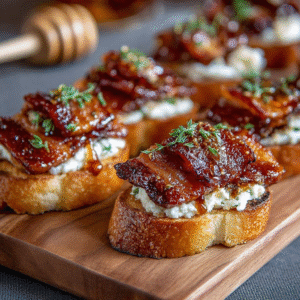
Serve it as a light lunch, a picnic centerpiece, or a cocktail-hour showpiece. Try pairing it with light white wine or sparkling water with lemon for a crisp spring pairing. Crispy rice-paper spring rolls make a crunchy companion for an outdoor gathering.
Why You’ll Love This Spring Charcuterie Board
– Fast to assemble but looks gourmet.
– Balanced sweet, salty, creamy, and crunchy elements.
– Seasonal produce gives it a fresh, colorful look.
– Great for dietary flexibility and easy substitutions.
– Works as a centerpiece or a casual snack station.
– Minimal cleanup and no cooking required.
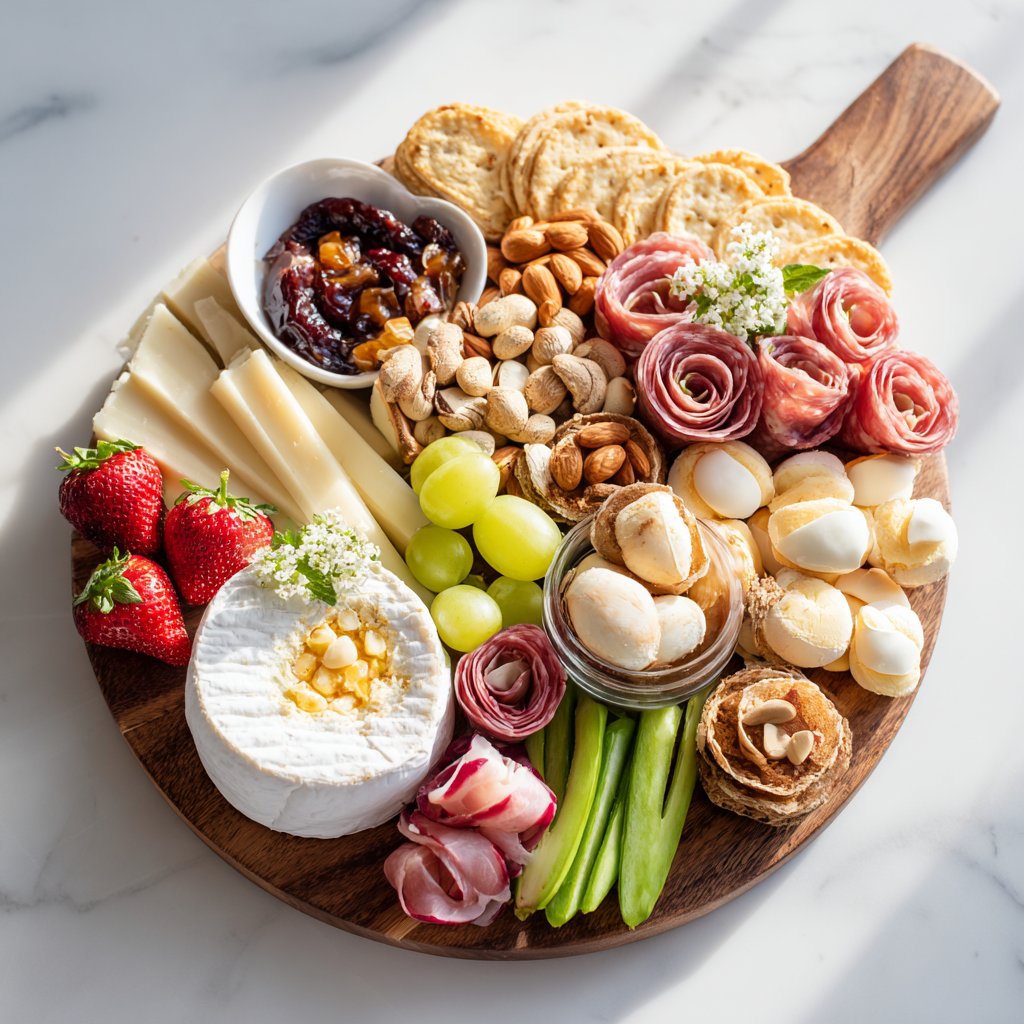
This board layers silky goat cheese, creamy brie, and a mild young gouda with thin prosciutto, bright berries, crisp cucumbers, and crunchy nuts for a symphony of textures. Each bite hits sweet, savory, acidic, and umami notes, which keeps people reaching for more.
"Absolutely gorgeous and so simple — my guests thought I spent hours. The flavors were perfectly balanced and the presentation was stunning!" — 5-star reader review
Key Ingredients for Spring Charcuterie Board
Goat cheese log: Soft goat cheese brings tang and spreadability to the board, making it perfect for crackers and fruit. Buy a fresh, smooth log from a refrigerated case and let it warm slightly before serving so it spreads easily. If you swap it for cream cheese, expect a milder tang and denser texture.
Brie or Camembert wheel: A wheel adds a creamy, oozy anchor and visual drama. Choose a ripe but not runny wheel to avoid spreading all over the board; aim for one with a pale ivory interior. Substituting with triple-cream cheeses increases richness but can overwhelm lighter elements.
Prosciutto: Thinly sliced prosciutto gives delicate saltiness and silky mouthfeel; its folds add height and elegance. Buy pre-sliced, slightly translucent prosciutto for best texture. If you swap prosciutto for a smoked ham, you’ll lose the melt-in-your-mouth texture and delicate salt balance.
Strawberries and grapes: Fresh berries and grapes add sweetness, acidity, and bright color that cut through rich cheeses. Pick firm, fragrant strawberries and seedless grapes for easy eating. Dried fruit can be used but will concentrate sweetness and change texture, making the board seem heavier.
Full Ingredient List for Spring Charcuterie Board
– 8 ounces soft goat cheese, log
– 8 ounces brie or camembert, wheel
– 6 ounces young gouda or Havarti, sliced
– 4 ounces prosciutto, thinly sliced
– 6 ounces salami, folded or shaped into roses
– 1 cup strawberries, halved
– 1 cup red or green grapes
– 1 cup sliced cucumbers and radishes
– 1 cup sugar snap peas or baby carrots
– 2 cups assorted crackers and baguette slices
– 0.5 cup mixed nuts (pistachios, almonds)
– 0.5 cup chocolate eggs, macarons, or cookies
– 0.25 cup honey or honeycomb
– 0.33 cup fig jam or berry preserves
– Fresh herbs and edible flowers, for garnish
Step-by-Step Instructions for Spring Charcuterie Board
Step 1: Place the cheeses as anchors on the board.
Set the brie wheel, goat cheese log, and sliced gouda apart in a triangle to create visual anchors and working zones. Leave space around each cheese for knives and tasting.
Pro Tip: The cheeses should sit like islands with visible space around them and slight knife marks on the goat cheese for invitation.
Step 2: Add small bowls for spreads and smaller items.
Place small bowls for fig jam, honey, and chocolate eggs near the cheeses to contain sticky or delicate items. Bowls help keep textures separate and make dipping neat.
Pro Tip: Bowls should be evenly spaced and not crowded — you should still see board surface between them.
Step 3: Fold prosciutto into ribbons and tuck it between cheeses and bowls.
Gently fold prosciutto into loose ribbons or drape it over the edge of a bowl for height. Tuck some pieces near the brie where guests can pair meat with oozy cheese.
Pro Tip: The prosciutto should look airy and ribbon-like, with translucent edges catching the light.
Step 4: Cluster strawberries, grapes, cucumbers, radishes, and snap peas around the meats and cheeses, alternating colors.
Group produce into small clusters to create bursts of color; alternate red, green, and white to keep the eye moving. Keeping items grouped makes it easy for guests to pick complementary pairings.
Pro Tip: Clusters should look like little bouquets — bright, compact, and varied in height.
Step 5: Fill any remaining gaps with crackers, baguette slices, and nuts.
Use crackers and baguette slices to bridge gaps and form pathways between flavor zones. Scatter mixed nuts in small piles to add crunch and prevent empty space.
Pro Tip: The board should never show large, empty patches — fill small holes with crackers or nuts so the surface looks abundant.
Step 6: Add finishing spreads and garnishes such as honey and fresh herbs.
Spoon fig jam into one bowl and honey into another; drizzle a bit of honey across goat cheese if desired. Scatter fresh herbs and edible flowers for fragrance and seasonal flair.
Pro Tip: Garnishes should look intentional — a few flower petals and an herb sprig placed near cheeses signal freshness.
Step 7: Serve right away or chill briefly, bringing cheeses to room temperature before serving.
If chilled for transport, allow cheeses to sit 20–30 minutes at room temperature to regain texture and aroma. Serve with cheese knives and small spoons for spreads.
Pro Tip: Cheeses should feel slightly soft to the touch and aromatic; cold, firm cheese lacks flavor and spreadability.
Expert Tips for Spring Charcuterie Board
– Temperature tip: Always serve cheeses at room temperature when possible; remove from fridge 20–30 minutes before serving for best flavor.
– Texture troubleshooting: If crackers get soggy from spreads, serve them on the side in separate bowls or place a barrier of lettuce leaves under wet items.
– Equipment tips: Use a large wooden or slate board and a variety of small bowls and spoons to keep items contained and visually separate.
– Common mistakes: Avoid overcrowding the board with too many like-flavored items; aim for contrast in salt, sweet, creamy, and crunchy.
– Portion planning: For a party, plan roughly 3–4 ounces of cheese and 2–3 ounces of meat per person for grazing.
– Visual composition: Build height near the center and work outward; use folded meats, stacked crackers, and small bowls to create layers.
– Freshness check: Swap bruised fruit and wilted herbs for fresh picks; blemished produce draws the eye away from the board’s vibrancy.
– Make-ahead tip: Pre-slice cucumbers and radishes and refrigerate in sealed containers; assemble just before guests arrive to preserve crunch.
Storage & Freezing for Spring Charcuterie Board
Fridge storage: Store leftover cheeses wrapped in wax paper and then loose plastic in an airtight container for up to 5–7 days. Keep sliced cucumbers and radishes in airtight containers with a paper towel to absorb moisture for up to 2–3 days.
Freezer storage: Most cheeses and meats can be frozen for longer storage, but textures change; wrap cheeses tightly in plastic wrap and foil and freeze for up to 2 months. Nuts can be frozen in airtight bags for up to 6 months to prevent rancidity.
Thawing and reheating: Thaw frozen cheeses in the refrigerator overnight and bring to room temperature before serving to restore flavor. Do not microwave noble cheeses; if you want warm brie, bake a fresh wheel at 350°F (175°C) for 10–12 minutes until just oozy.
Best containers: Use airtight glass containers for refrigerated slices and small bowls for spreads; vacuum-sealed bags are best for freezing meats and cheeses to minimize freezer burn.
Variations & Substitutions for Spring Charcuterie Board
Mediterranean variation: Swap mixed nuts for marinated olives and roasted peppers, replace fig jam with a bright olive tapenade, and add manchego for a savory Spanish edge. The board will skew saltier and herb-forward, pairing well with chilled rosé.
Vegetarian variation: Omit cured meats and add marinated artichokes, marinated chickpeas, and extra roasted vegetables with a smoky hummus. The result will be heartier and more colorful while still offering varied textures.
Sweet-and-salty dessert board: Increase the chocolate eggs and macarons, add honeycomb and dried apricots, and include a mascarpone dip for a dessert-focused spread. Expect a sweeter profile that’s perfect after dinner or alongside coffee.
Kid-friendly picnic board: Replace prosciutto with rolled turkey or ham slices, swap wine pairings for fruit juices, and include cookie bites and baby carrots for fun. This keeps the plate approachable for younger palates while retaining variety.
Frequently Asked Questions About Spring Charcuterie Board
Q1: What is the best board to use for a Spring Charcuterie Board?
A1: A large wooden cutting board or slate board works best because it provides visual warmth and is sturdy for arranging multiple items. Choose a board at least 18–24 inches long for a party-sized spread. Use small bowls for wet items to prevent staining and to keep textures separate.
Q2: How long can I prepare the Spring Charcuterie Board ahead of time?
A2: Prep components like slicing cheese, washing and halving fruit, and arranging small bowls up to 1 day ahead. Store prepped produce and slices in airtight containers and assemble the final board within 1–2 hours of serving to keep crispness and visual appeal.
Q3: Can I make the Spring Charcuterie Board vegan?
A3: Yes — replace cheeses with plant-based spreads like cashew-based soft cheeses and vegan brie, swap meats for marinated tofu or smoked carrot “salami,” and add fresh fruit, nuts, and pickled vegetables for variety. Aim for a balance of textures and acidity to mimic traditional boards.
Q4: How much food should I buy per person for a Spring Charcuterie Board?
A4: For grazing, plan 3–4 ounces of cheese per person, 2–3 ounces of charcuterie per person, plus about 2–3 cups of produce and 2–3 crackers per person. For larger appetites or as a main course, increase cheese and meat portions by 50%.
Q5: What are simple ways to make the Spring Charcuterie Board look more professional?
A5: Use height and layering — fold meats into rosettes, stack crackers, and place bowls at varying intervals. Scatter small garnishes like fresh herbs and edible flowers, and use color contrast (dark grapes next to pale cheese) to create eye-catching focal points.
Final Thoughts on Spring Charcuterie Board
If you enjoyed this guide, please leave a star rating in the recipe card below and pin this board to Pinterest for your next gathering. For inspiration from other creators, check out this Blooming Springtime Charcuterie Board, this colorful Spring Charcuterie Board – A Pumpkin And A Princess, and the detailed layout ideas at Epic Spring Charcuterie Board – Reluctant Entertainer.
Spring Charcuterie Board
Ingredients
Cheeses
- 8 ounces soft goat cheese, log Bring to room temperature before serving.
- 8 ounces brie or camembert, wheel Choose a ripe but not runny wheel.
- 6 ounces young gouda or Havarti, sliced
Meats
- 4 ounces prosciutto, thinly sliced Buy pre-sliced for best texture.
- 6 ounces salami, folded or shaped into roses
Fruits and Vegetables
- 1 cup strawberries, halved Pick firm and fragrant strawberries.
- 1 cup red or green grapes Use seedless grapes for easy eating.
- 1 cup sliced cucumbers and radishes
- 1 cup sugar snap peas or baby carrots
Crackers and Sweets
- 2 cups assorted crackers and baguette slices
- 0.5 cup mixed nuts (pistachios, almonds)
- 0.5 cup chocolate eggs, macarons, or cookies
- 0.25 cup honey or honeycomb
- 0.33 cup fig jam or berry preserves
Garnishes
- Fresh herbs and edible flowers For garnish.
Instructions
Assembly
- Step 1: Place the cheeses as anchors on the board.
- Step 2: Add small bowls for spreads and smaller items.
- Step 3: Fold prosciutto into ribbons and tuck it between cheeses and bowls.
- Step 4: Cluster strawberries, grapes, cucumbers, radishes, and snap peas around the meats and cheeses, alternating colors.
- Step 5: Fill any remaining gaps with crackers, baguette slices, and nuts.
- Step 6: Add finishing spreads and garnishes such as honey and fresh herbs.
- Step 7: Serve right away or chill briefly, bringing cheeses to room temperature before serving.