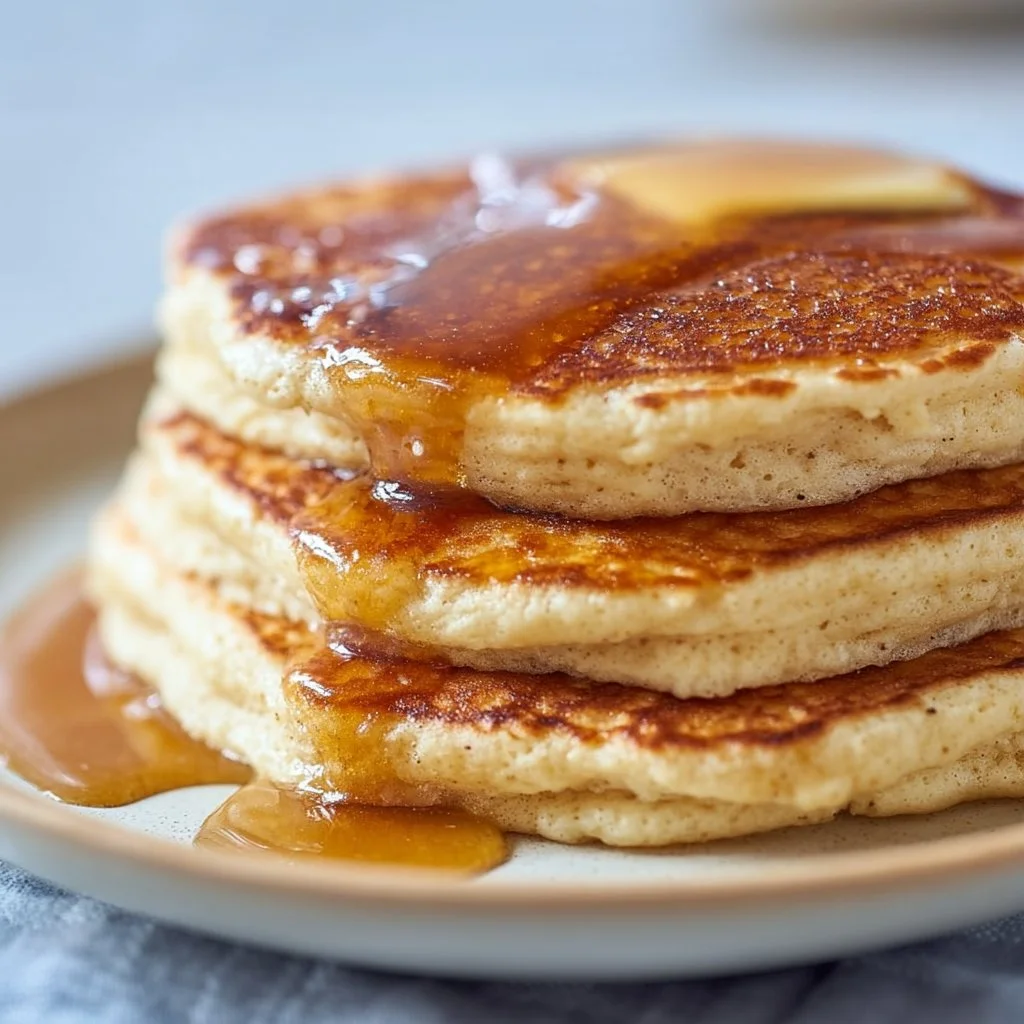
I’ve been making sourdough discard pancakes as my go-to lazy brunch for years — they’re fast, forgiving, and turn leftover starter into something everyone fights over. These pancakes use one cup of sourdough starter plus pantry staples to create a tender, slightly tangy stack that’s perfect for weekend mornings or rescuing a jar of discard before it goes to waste.
Why you’ll love this dish
Sourdough discard pancakes are the perfect blend of frugal and delicious. They use starter you’d otherwise discard, require minimal hands-on time, and produce soft, flavorful pancakes that aren’t overwhelmingly sour. Make them for a weekday breakfast, a family brunch, or when you want to turn waste into wow.
“I tossed my discard into this batter and ended up with the fluffiest pancakes our family has had in months. No one guessed they were made from starter!” — a regular breakfast tester
Benefits at a glance:
- Saves money and reduces waste by using discard starter.
- Quick to mix and cook: great for busy mornings.
- Kid-friendly texture with a light tang adults appreciate.
- Flexible — easy to adapt to gluten-free, dairy-free, or fruity variations.
Preparing Sourdough Discard Pancakes
Step-by-step overview:
- Measure and assemble all ingredients.
- Whisk wet ingredients with the starter, then mix in dry components until just combined.
- Heat a skillet over medium heat and grease lightly.
- Portion batter (about 1/4 cup each) onto the skillet and cook until bubbles form; flip and finish.
- Keep cooked pancakes warm or serve immediately with toppings.
This short roadmap sets expectations: you’ll be mixing a single bowl, cooking on medium heat, and flipping when you see surface bubbles.
What you’ll need
- 1 cup sourdough starter (discard is fine; active or refrigerated starter works)
- 1 cup all-purpose flour (substitute 1:1 gluten-free flour for GF)
- 1 cup milk (dairy or plant-based)
- 1 egg (or flax egg for vegan)
- 2 tablespoons sugar (or maple syrup/honey)
- 1 teaspoon baking powder
- 1 teaspoon baking soda
- 1/2 teaspoon salt
- 2 tablespoons melted butter or oil (plus extra for the skillet)
Notes/substitutions inline:
- For extra tenderness, swap 2 tablespoons of the flour for plain yogurt or ricotta.
- Use almond/oat milk and neutral oil to make them dairy-free.
- If your discard is very thin, add an extra 2–4 tablespoons flour to reach scoopable batter.
Directions to follow
- In a large mixing bowl combine the sourdough starter, flour, milk, egg, sugar, baking powder, baking soda, and salt. Add melted butter or oil and stir gently.
- Mix until just combined. A few small lumps are fine — overmixing makes pancakes tough.
- Heat a non-stick skillet or griddle over medium heat. Lightly grease with butter or oil and wipe off excess with a paper towel.
- Pour about 1/4 cup batter per pancake onto the skillet. Leave space between pancakes.
- Cook until bubbles form across the surface and the edges look set, about 2–3 minutes.
- Flip carefully and cook 1–2 minutes more, until both sides are golden brown and cooked through.
- Transfer finished pancakes to a warm oven (200°F / 95°C) while you finish the batch to keep them hot and soft.
- Serve warm with your favorite toppings.
Best ways to enjoy it
Serving suggestions:
- Classic: warm butter and pure maple syrup with a scattering of powdered sugar.
- Fruity: top with fresh berries and a spoonful of lemon curd or fruit compote.
- Cozy: layer with sliced bananas and a drizzle of nut butter and honey.
- Savory twist: serve with crispy bacon or sautéed mushrooms and a dollop of crème fraîche.
- Brunch plate: pair with scrambled eggs, roasted potatoes, and a cup of strong coffee.
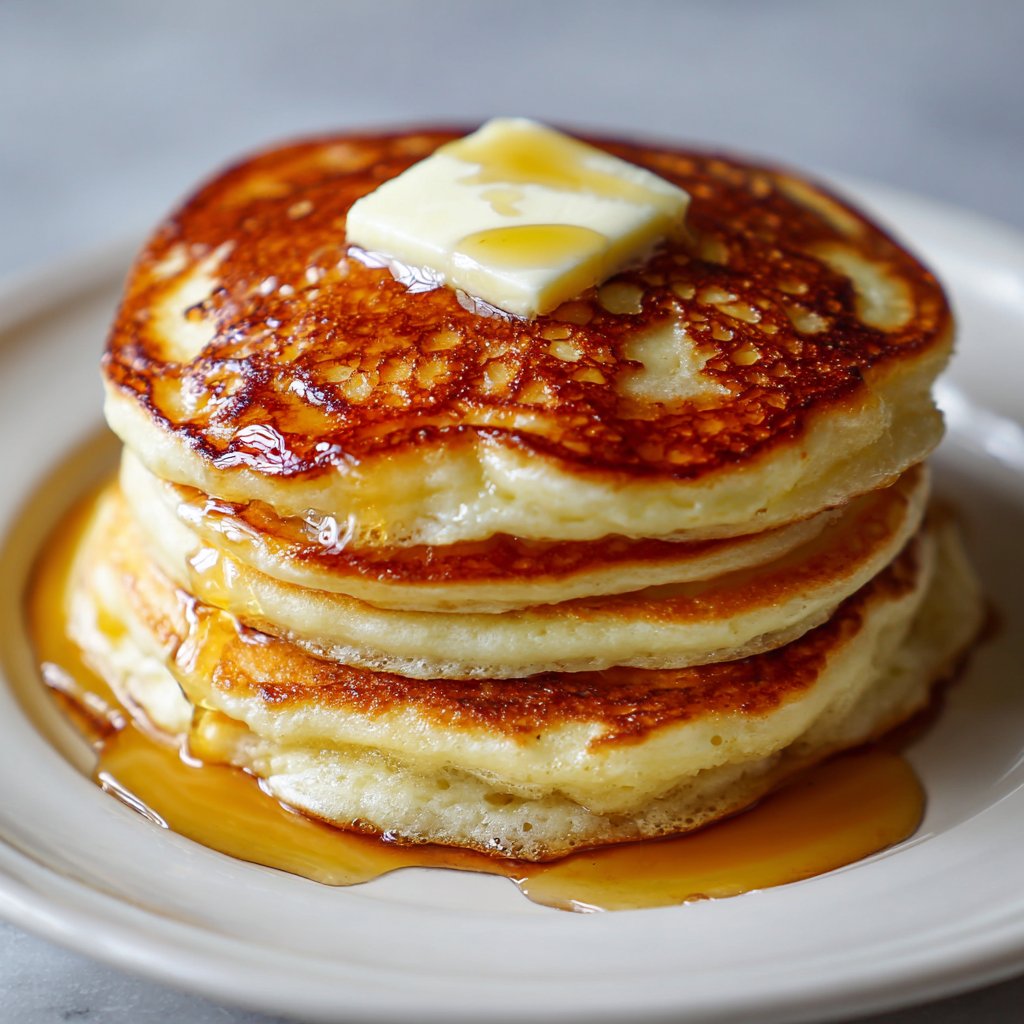
For plating, stack 3–4 pancakes, add a pat of butter on top, pour syrup down the center so it cascades, and sprinkle chopped nuts or microgreens for contrast.
Storage and reheating tips
Keeping leftovers fresh:
- Refrigerator: Cool pancakes completely, then stack with parchment between layers and store in an airtight container for up to 2 days.
- Freezer: Freeze in a single layer on a baking sheet. Once solid, transfer to a zip-top bag and freeze up to 2 months.
- Reheating: Reheat frozen pancakes in a 350°F (175°C) oven for 10–12 minutes, or toast briefly in a toaster oven. For a quick option, microwave 20–30 seconds with a damp paper towel to retain moisture.
- Food safety: Don’t leave cooked pancakes at room temperature for more than 2 hours. Discard if they smell off.
Pro chef tips
- Batter texture: Aim for pourable but not runny batter. It should hold a soft mound on the ladle.
- Rest optional: Letting batter sit 10–20 minutes can improve texture and mellow flavors, but it’s not required.
- Heat control: Medium heat prevents burning outside while leaving the center raw. Adjust as needed after the first pancake (often the test pancake).
- Don’t press: Avoid pressing pancakes with a spatula after flipping — that squeezes out air and makes them dense.
- Use both baking powder and baking soda: Baking powder gives lift; baking soda reacts with the starter’s acidity for extra rise and browning.
- Warm-keeping: Keep cooked pancakes on a wire rack placed in a warm oven to avoid sogginess.
Creative twists
- Blueberry & Lemon: Fold in 1/2 cup fresh blueberries and 1 teaspoon lemon zest.
- Banana oat: Mash 1 ripe banana and replace 1/4 cup flour with 1/4 cup oat flour.
- Chocolate chip: Add 1/3 cup chocolate chips; reduce sugar slightly if desired.
- Savory herb: Omit sugar and add 2 tablespoons chopped chives, 1/2 teaspoon black pepper, and serve with smoked salmon.
- Vegan & GF: Use 1 cup gluten-free flour blend, 1 flax "egg" (1 tbsp flax + 3 tbsp water), and plant milk.
- Spice swap: Add 1 teaspoon cinnamon and 1/4 teaspoon nutmeg for autumn flavor.
Common questions
Q: Will these pancakes taste sour?
A: Not usually. Using discard adds a mild tang, but the sugar, baking powder, and milk balance the flavor. If your starter is very sour, reduce the discard to 3/4 cup and add 1/4 cup extra flour or a touch more milk.
Q: Can I use starter straight from the fridge?
A: Yes. Cold starter works fine, but bringing it to room temperature for 20–30 minutes helps the baking soda react more evenly. If your starter has separated, stir it before measuring.
Q: How many pancakes does this make?
A: Using about 1/4 cup batter per pancake, the recipe yields roughly 8 medium pancakes — enough for 3–4 people depending on appetites.
Q: Can I omit the egg?
A: Yes. Use a flax or chia egg (1 tbsp ground flax/chia + 3 tbsp water, set 5 minutes) and add a bit more baking powder for lift.
Q: Can I make the batter ahead?
A: You can refrigerate the mixed batter for a few hours, but it will continue to ferment and may become tangier and thinner over time. For best texture, cook within 0–2 hours.
Conclusion
Want more techniques and inspiration for sourdough pancakes? For tips on achieving the absolute fluffiest texture, check out this guide: Sourdough Pancakes {For the Absolutely Fluffiest Pancakes Ever!}. If you’re looking for another trusted approach and variations, this tutorial is a great companion: Best Sourdough Pancakes – The Clever Carrot.
Enjoy your pancakes — and don’t forget, every discard can become breakfast gold.