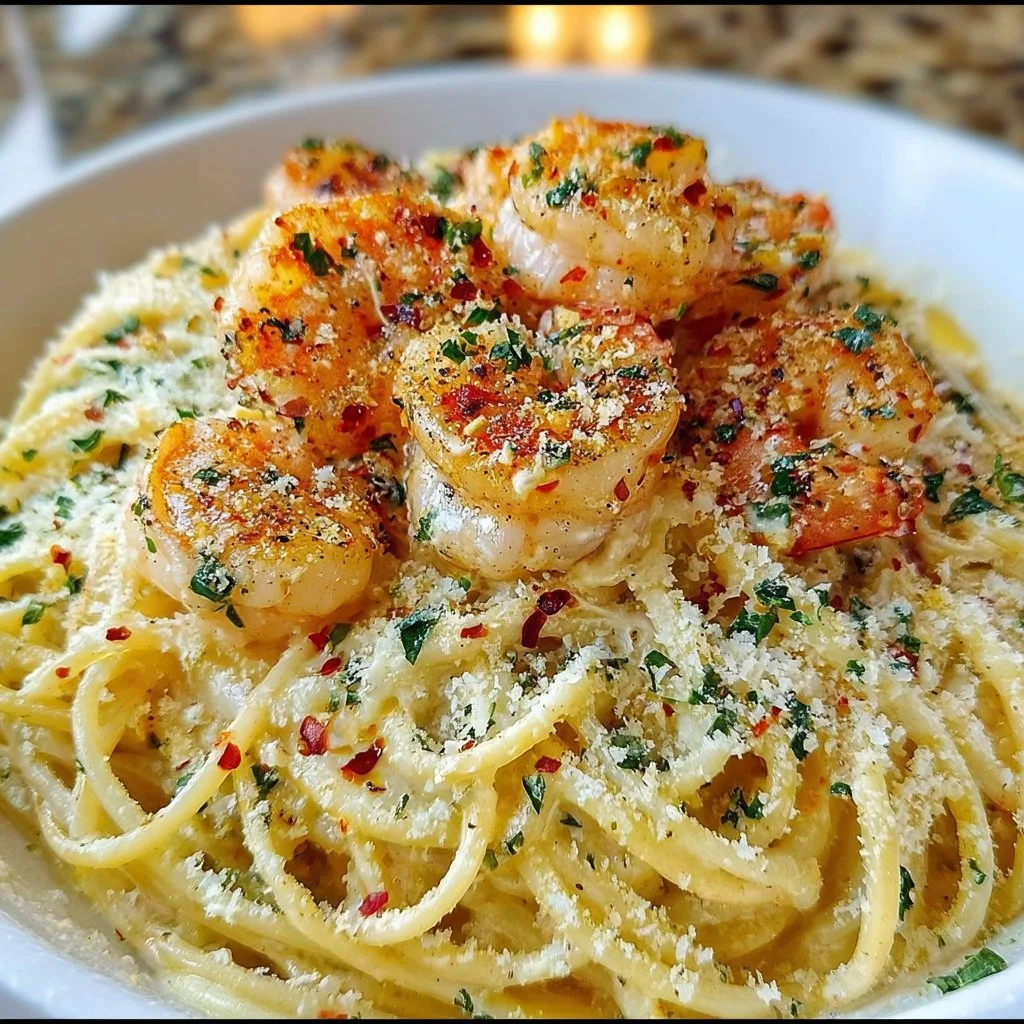
The first time I made this shrimp scampi garlic cream pasta, the whole kitchen smelled like a seaside bistro.
It’s fast enough for a weeknight but indulgent enough for company.
Bright lemon and garlic meet buttery richness and a melty cheese top for the kind of comfort that feels fancy.
If you want a reliable crowd-pleaser, this recipe balances quick stove-top work with a short bake so the cheese gets golden and the shrimp stay tender.
It’s simple to scale and forgiving if you prep the pasta or shrimp in advance.
Why You’ll Love This Recipe
- Fast weeknight meal that looks impressive on the table.
- Balanced flavors — bright citrus, garlicky heat, and buttery richness.
- Textural contrast with silky pasta, tender shrimp, and a bubbly, golden cheesy top.
- Easily adaptable for dairy-free or lighter versions without losing the core flavor.
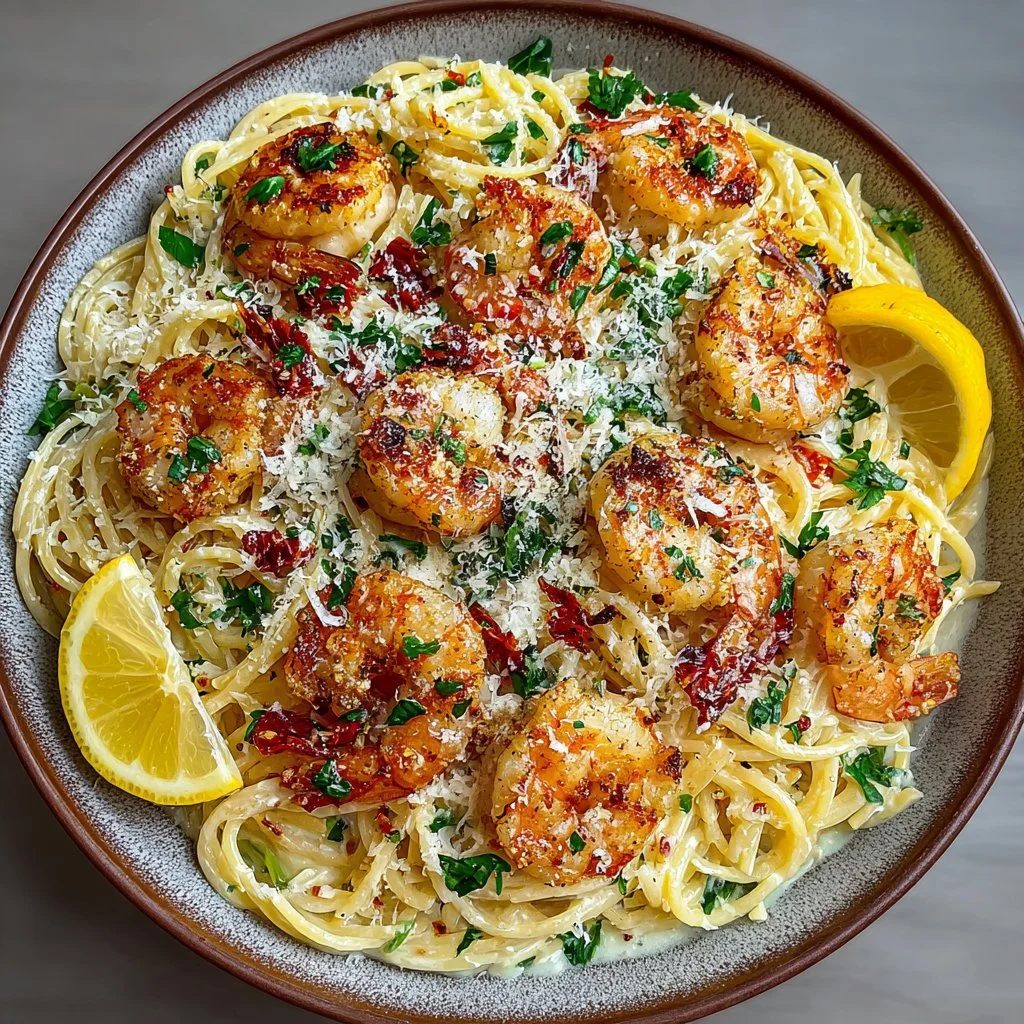
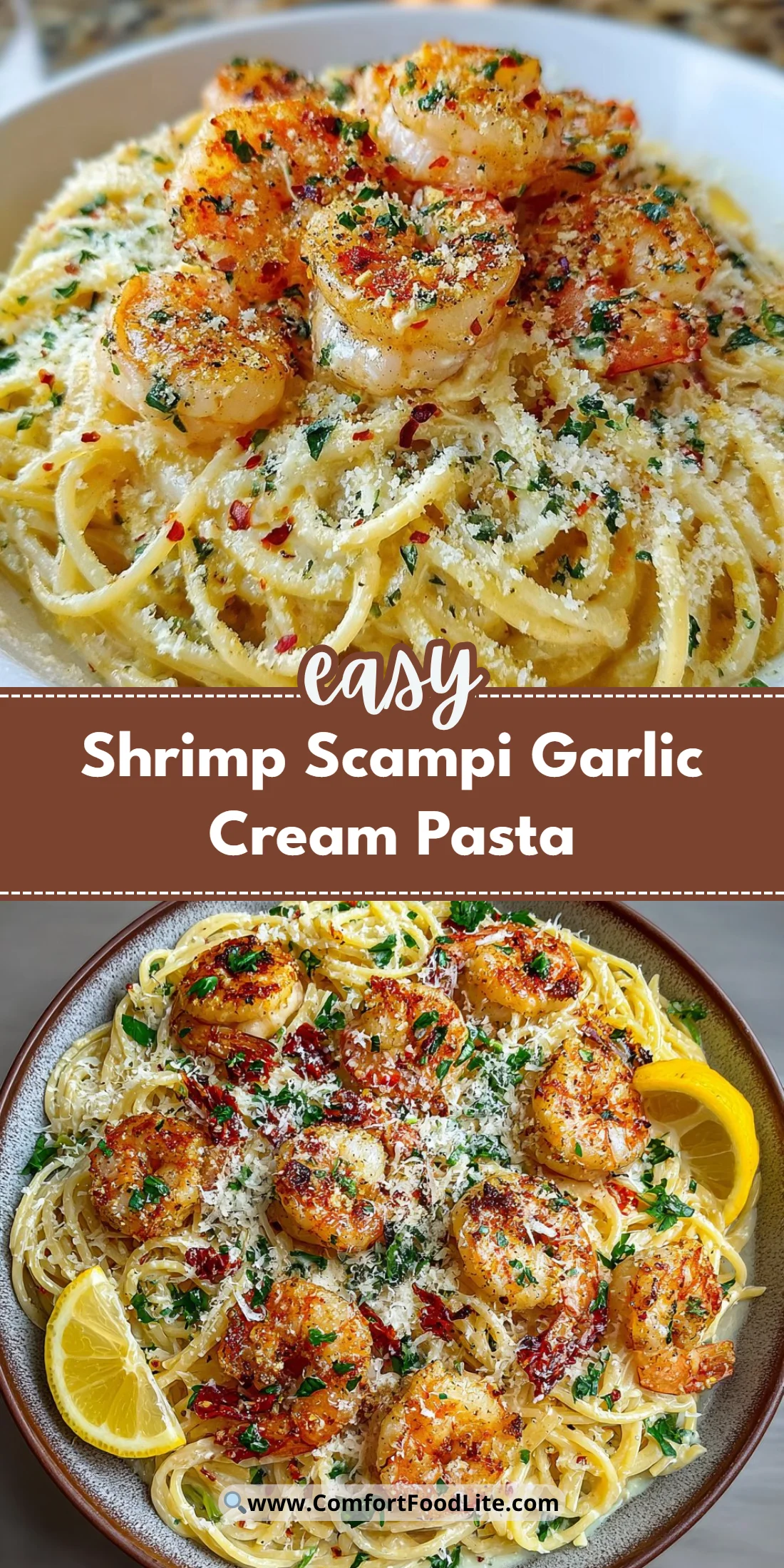
The texture is where this dish sings: the pasta is coated in a glossy garlic-butter sauce that clings to each strand, the shrimp are plump and slightly caramelized, and the baked mozzarella forms a pleasing, stringy top layer that contrasts with the sauce beneath. The Parmesan folded into the pasta adds umami and a slightly grainy mouthfeel that anchors the richness, while the lemon zest and juice cut through and refresh every bite.
"Five stars — restaurant taste in my tiny kitchen. My guests asked for the recipe and I’ll be making this again next weekend." — Reader K.
Key Ingredients
- Large shrimp (1 pound): Shrimp are the star protein here. Use large, fresh or fully thawed frozen shrimp, deveined and patted dry so they sear instead of steam. If you can, buy wild-caught or sustainably farmed varieties labeled for flavor like U.S. Gulf or Pacific — they hold up better to high heat.
- Extra virgin olive oil + unsalted butter (3 tbsp EVOO + 4 tbsp butter): The olive oil raises the butter’s smoke point and adds fruity depth, while the butter gives the sauce its silky mouthfeel and golden browning. Use real unsalted butter so you control salt levels; European-style butter adds extra richness if you want a more decadent finish.
- Fresh garlic (5 cloves): Fresh is non-negotiable here. Mince finely to release aromatic oils and avoid pre-minced jarred garlic for best flavor. Fresh garlic properly sweated in butter becomes nutty and mellow, which is the backbone of the sauce.
- Lemon (juice + 1 tsp zest): Lemon gives the sauce lift and prevents it from tasting too heavy. Zest contains volatile oils that provide an immediate citrus perfume, while the juice brightens and balances the fat.
Full ingredient list:
- 1 cup low-moisture mozzarella (shredded)
- Juice from one lemon (approximately 2 tablespoons)
- 1/4 teaspoon crushed red chili flakes (optional)
- 4 tablespoons unsalted butter (separated into two portions)
- 1/2 teaspoon freshly ground black pepper (or to taste)
- 1 pound large shrimp (shells removed and deveined)
- 1 teaspoon finely grated lemon zest
- 12 ounces of dried spaghetti or linguine noodles
- 1/2 cup dry white wine or low-sodium chicken broth
- 3 tablespoons extra virgin olive oil
- 5 cloves fresh garlic (finely minced)
- 1/4 cup Italian flat-leaf parsley (chopped)
- 1/2 cup finely grated Parmesan cheese
- Kosher salt (to taste)
Step-by-Step Instructions
Step 1: Cook the pasta
Bring a large pot of well-salted water to a rolling boil and add the spaghetti or linguine.
Cook the pasta until just shy of al dente — about 1 to 2 minutes less than the package directions — then drain and set aside.
Pro Tip: Reserve a cup of pasta water before draining; a splash can loosen the sauce if it tightens up.
Step 2: Sear the shrimp
Heat the olive oil and 2 tablespoons of butter in a large skillet over medium heat.
Pat the shrimp very dry, season both sides with kosher salt and freshly ground black pepper, then place them in the skillet in a single layer.
Sear 1 to 2 minutes per side until they turn opaque and get lightly golden, then transfer the shrimp to a plate to avoid overcooking.
Pro Tip: You’ll know the shrimp are ready when their tails curl into a loose “C” and the flesh is uniformly opaque.
Step 3: Build the sauce
In the same pan, melt the remaining 2 tablespoons of butter. Add the minced garlic and crushed red pepper flakes and sauté briefly for about 30 seconds until aromatic.
Pour in the white wine (or low-sodium chicken broth), then add the lemon juice and lemon zest. Simmer the mixture for 2 to 3 minutes until slightly reduced and fragrant.
Pro Tip: If you can smell the wine’s alcohol fade and the sauce thickens slightly, it’s ready — don’t over-reduce or you’ll lose brightness.
Step 4: Combine pasta, cheese, and shrimp
Return the drained pasta to the skillet and toss thoroughly to coat in the garlic-butter mixture.
Stir in half of the grated Parmesan and half of the chopped parsley, then gently fold the cooked shrimp back into the pasta so everything is evenly distributed.
Pro Tip: Tossing the pasta off the heat helps the cheese meld into the sauce without clumping.
Step 5: Assemble and bake
Transfer the combined shrimp and pasta mixture into a lightly greased 9-by-13-inch baking dish. Scatter the shredded low-moisture mozzarella and the remaining Parmesan evenly over the top.
Place the baking dish, uncovered, into a preheated oven at 375°F (190°C) and bake for about 15 minutes, or until the cheese is fully melted and develops a golden hue.
Pro Tip: Slide the dish under the broiler for 1 to 2 minutes at the end if you want a more deeply browned top — watch closely to prevent burning.
Step 6: Finish and serve
Remove from the oven and garnish with the remaining parsley. Optionally finish with an additional squeeze of fresh lemon before serving hot.
Pro Tip: Serve immediately to enjoy the contrast of bubbling cheese and silky sauce; leftovers can firm up but reheat well if handled properly.
Expert Tips for Success
- Control shrimp doneness precisely. Shrimp cook extremely quickly; aim for an internal texture that’s firm but not rubbery. If unsure, remove them a touch underdone — they’ll finish cooking in the hot pasta and oven.
- Use low-moisture mozzarella to prevent a watery bake. Fresh mozzarella has higher moisture and can release liquid while baking; low-moisture gives better melt and stretch.
- Don’t skip the lemon zest. The zest adds essential fragrant oils that brighten each forkful and make the dish feel lighter.
- Choose a sturdy long pasta. Spaghetti or linguine both work, but choose a brand you trust; thicker, higher-protein pasta holds the sauce better. Consider a bronze-die pasta for better sauce cling.
- White wine vs. broth. Dry white wine adds acidity and aromatic complexity. If you need to avoid alcohol, choose a high-quality low-sodium chicken broth and finish with a little extra lemon to mimic the wine’s acidity.
- Mince the garlic finely and add it late. Overcooked or burned garlic becomes bitter. Adding it to melted butter and cooking only until fragrant preserves the mellow, savory flavors.
- Layer cheeses for depth. Parmesan folded into the pasta lends umami while the mozzarella on top gives that satisfying melty pull. Using both creates complexity.
- Temperature matters. Maintain medium heat when searing shrimp to get a quick caramelization without drying them out. A hot skillet with oil shimmers when ready.
- Equipment: Use a large, heavy skillet so pasta and shrimp have space to toss and sear evenly. An oven-safe skillet speeds assembly.
- Troubleshooting: If the sauce is too thin after baking, return the dish to the stovetop and simmer briefly with the lid off. Add a tablespoon of cornstarch mixed with cold water only as a last resort.
I often borrow finishing ideas from similar creamy garlic recipes when I want to tweak texture or seasoning.
Storage & Freezing
Refrigerator storage: Cool the pasta completely before refrigerating.
Store in an airtight container for up to 3 days.
To reheat, place a portion in an oven-safe dish with a splash of milk or broth, cover loosely with foil, and bake at 350°F (175°C) until warmed through. This prevents the cheese from separating and brings back the creaminess.
Freezer storage: For longer storage, freeze in a shallow, airtight container for up to 2 months.
Avoid freezing the baked cheese layer if you prefer a fresher top; instead freeze the unbaked shrimp-pasta mixture and add shredded mozzarella before baking from frozen.
Reheating from frozen: Thaw overnight in the fridge, then bake in a preheated oven at 350°F (175°C) for 20–30 minutes until heated through. If baking from fully frozen, extend time and cover loosely with foil for the first part to allow the center to heat without over-browning the top.
Variations & Substitutions
- Lighter version: Swap half the butter for extra olive oil and replace mozzarella with a smaller amount of part-skim mozzarella. Use low-fat half-and-half instead of heavy cream if you want even fewer calories.
- Dairy-free: Use a dairy-free butter substitute and a plant-based mozzarella; add 2–3 tablespoons of nutritional yeast to mimic Parmesan umami. Finish with extra lemon for brightness.
- Spicy garlic scampi: Increase crushed red pepper flakes to 1/2 teaspoon and add a pinch of smoked paprika for a smoky heat dimension.
- Surf-and-turf: Stir in thinly sliced seared steak or leftover roast beef with the shrimp for a heartier dish. Reduce shrimp to half a pound so the proteins balance.
Frequently Asked Questions
Q: Can I use frozen shrimp for this recipe?
A: Yes — frozen shrimp are fine, but thaw them completely in the refrigerator overnight or under cold running water. Pat them very dry before seasoning and searing; extra moisture will cause steaming rather than a proper sear. If using previously frozen pre-cooked shrimp, add them only at the end to warm through, as they will overcook easily.
Q: What pasta shape works best with this garlic cream scampi?
A: Long strands like spaghetti or linguine are classic because they twine around the shrimp and pick up the sauce well. Short shapes like penne or rigatoni are fine too and can be easier for weeknight families, but you may need slightly more sauce to coat them evenly.
Q: Can I make this recipe ahead of time for a dinner party?
A: Absolutely. Cook the pasta and shrimp and make the sauce up to the point of baking, then refrigerate in the baking dish covered. When guests arrive, top with cheese and bake until bubbly and golden. This strategy keeps shrimp from overcooking and saves last-minute stress.
Q: Is there a non-alcoholic substitute for the white wine?
A: Yes — use low-sodium chicken broth with a splash (1 teaspoon) of white wine vinegar or apple cider vinegar to mimic the acidity. Add a pinch of sugar if the broth tastes flat; balance is key. The lemon in the recipe also helps replicate wine’s brightness.
Q: Why does my sauce separate sometimes?
A: Separation happens when cheese or butter overheats or when the sauce lacks an emulsifier. To rescue it, whisk in a small splash of warm pasta water or a teaspoon of starch slurry (1 tsp cornstarch + 1 tbsp cold water) over low heat until the sauce comes back together. Avoid boiling after adding the cheese.
Final Thoughts
This shrimp scampi garlic cream pasta is one of those recipes that rewards attention to small details — good shrimp, fresh garlic, and bright lemon — and delivers a big payoff at the table.
If you tried this and loved it, please leave a star rating in the recipe card below or pin this to Pinterest to save it for later.
For another take on a creamy scampi-style dish, check out this reliable Creamy Shrimp Scampi – Momsdish recipe for inspiration.
If you want a classic crowd-pleasing version to compare technique and timing, read the Creamy Shrimp Scampi Recipe on Allrecipes.
Shrimp Scampi Garlic Cream Pasta
Ingredients
Pasta and Shrimp
- 12 ounces dried spaghetti or linguine noodles
- 1 pound large shrimp (shells removed and deveined) Use fresh or thawed frozen shrimp.
- 1/4 cup Italian flat-leaf parsley (chopped)
Sauce Components
- 3 tablespoons extra virgin olive oil
- 4 tablespoons unsalted butter (separated into two portions)
- 5 cloves fresh garlic (finely minced) Use fresh garlic for best flavor.
- 1/4 teaspoon crushed red chili flakes (optional)
- 1/2 cup dry white wine or low-sodium chicken broth White wine adds complexity.
- Juice from one lemon approximately 2 tablespoons of lemon juice Fresh lemon juice for brightness.
- 1 teaspoon finely grated lemon zest Don’t skip the lemon zest!
- 1/2 teaspoon freshly ground black pepper Adjust to taste.
- Kosher salt to taste
Cheese Toppings
- 1 cup low-moisture mozzarella (shredded) Use low-moisture for better melting.
- 1/2 cup finely grated Parmesan cheese
Instructions
Cook the pasta
- Bring a large pot of well-salted water to a rolling boil and add the spaghetti or linguine. Cook until just shy of al dente — about 1 to 2 minutes less than the package directions, then drain and set aside. Reserve a cup of pasta water before draining.
Sear the shrimp
- Heat the olive oil and 2 tablespoons of butter in a large skillet over medium heat. Pat the shrimp dry, season with salt and pepper, and sear for 1 to 2 minutes per side until opaque and lightly golden. Transfer the shrimp to a plate.
Build the sauce
- In the same pan, melt the remaining butter. Add minced garlic and crushed red pepper flakes, sauté briefly until aromatic. Pour in the white wine (or broth), add lemon juice and zest, and simmer for 2 to 3 minutes until slightly reduced.
Combine pasta, cheese, and shrimp
- Return the drained pasta to the skillet and toss to coat in the sauce. Stir in half of the grated Parmesan and half of the parsley, then gently fold in the shrimp.
Assemble and bake
- Transfer the pasta mixture to a greased 9x13-inch baking dish. Scatter the mozzarella and remaining Parmesan over the top. Bake in a preheated oven at 375°F (190°C) for about 15 minutes, or until the cheese is melted and golden.
Finish and serve
- Remove from oven and garnish with remaining parsley and optionally an additional squeeze of lemon before serving hot.