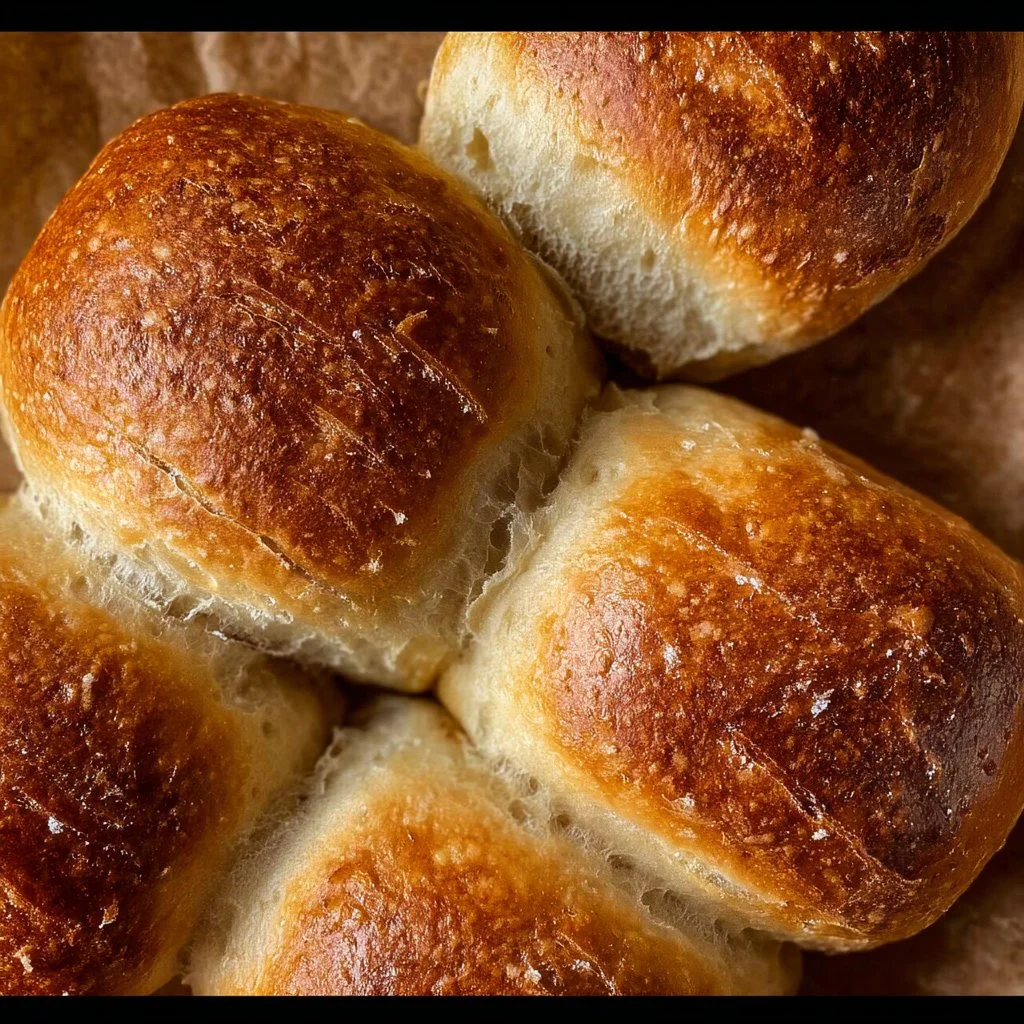
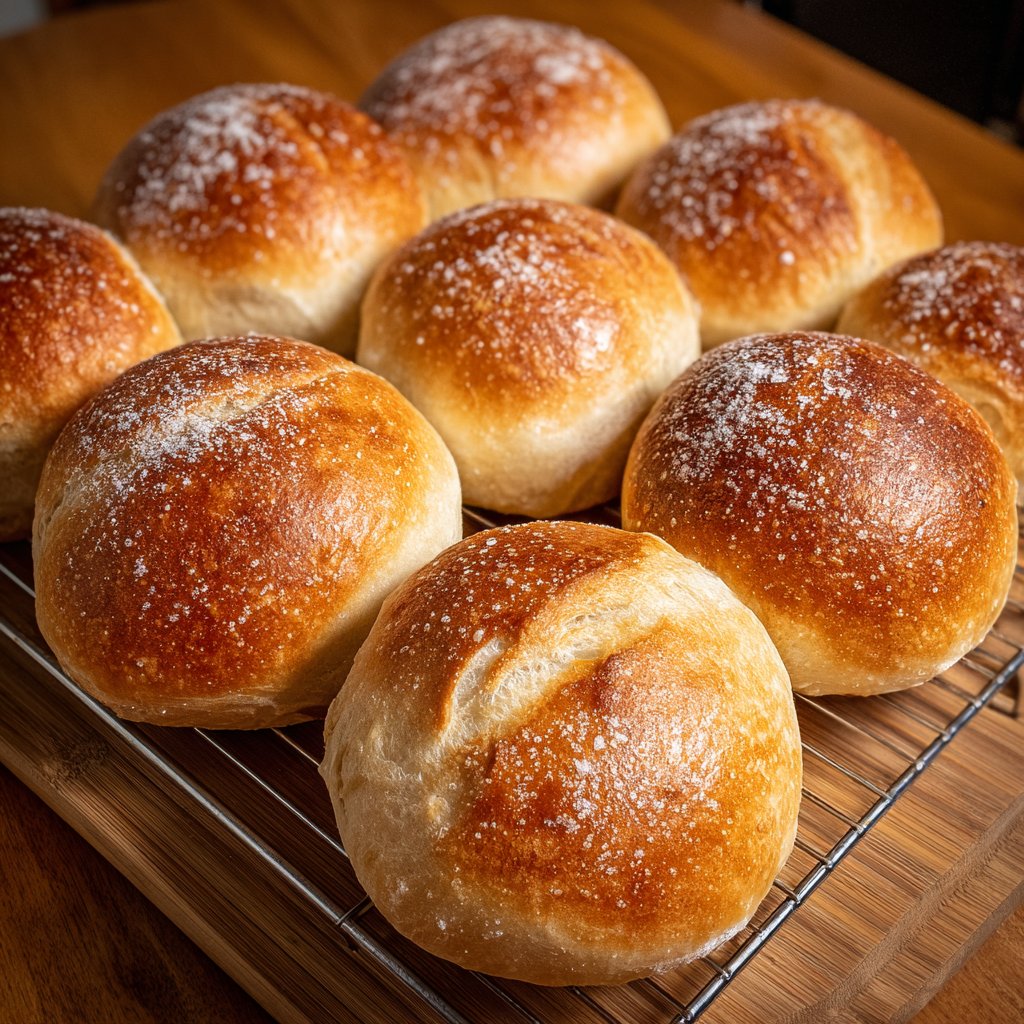
I’ve made these one-hour sourdough discard rolls more times than I can count—when I need soft, buttery rolls fast and don’t want to waste discard. They’re tender, slightly tangy, and come together in about an hour, so they’re perfect for last-minute dinners, weekend brunches, or turning a jar of discard into something everybody loves.
Why you’ll love this dish
These rolls do something rare: they use sourdough discard to add flavor while leaning on instant yeast so you get a fast, reliable rise. That means you keep the tang of sourdough without the long ferment time. They’re soft, mildly tangy, and reach table-ready warmth in about an hour.
- Fast: ready in roughly one hour from start to oven.
- Economical: uses discard that might otherwise be thrown away.
- Kid- and guest-friendly: soft texture and buttery flavor appeal to a wide audience.
- Versatile: great for sandwiches, dinner sides, or sliders.
“Soft, pillowy rolls with a hint of tang — perfect when you need fresh bread fast. I make a batch every week.” — home baker review
Step-by-step overview
- Warm the water and mix it with sourdough discard to temper the dough.
- Add sugar and instant yeast; wait briefly for activation.
- Stir in egg, melted butter, and salt.
- Mix in bread flour until dough is tacky; knead until smooth and elastic.
- Divide into twelve 85–90 g balls, shape, and nest in a pan.
- Quick 30-minute proof in a warm spot, then egg wash and bake at 375°F until golden and 190°F inside.
This quick outline helps you scan the process before digging into ingredients and detailed steps.
What you’ll need
- 240 g warm water (98–100°F / about 1 cup) — warms cold discard and activates yeast
- 15 g instant yeast (about 1½ tbsp) — high for a one-hour rise
- 20 g granulated sugar (about 2 tbsp) — feeds yeast and browns crust
- 150 g sourdough discard (scant 2/3 cup) — unfed or refrigerated discard is fine
- 1 large egg (about 50 g) — adds richness and structure
- 35 g unsalted butter, melted (about 2.5 tbsp) — for tenderness (see substitutions)
- 12 g salt (about 2 tsp) — for flavor balance
- 540 g bread flour (about 4 cups) — higher-protein flour gives better structure
- 1 egg + splash of water for egg wash (optional)
Notes/substitutions:
- Bread flour gives the best chew and rise; you can use all-purpose but expect a slightly softer, less airy crumb.
- Replace butter with neutral oil (35 g) for dairy-free, or use non-dairy butter to keep similar texture.
- If you prefer less tang, use slightly less discard (120 g) and add a touch more water to keep hydration similar.
Directions to follow
- Warm water to about 98–100°F. If your discard is cold from the fridge, warm water helps bring the dough temperature up.
- In the bowl of a stand mixer, combine the warm water and sourdough discard. Mix briefly to combine.
- Add the sugar and instant yeast. Stir and watch for the yeast to begin activating — you may notice a yeasty smell and small clumps.
- Add the egg, melted butter, and salt. Mix until incorporated.
- Fit the mixer with the dough hook. With the hook running, add the bread flour in batches. Reserve about 1 cup of flour so you can avoid adding too much. The dough should be tacky but not overly sticky.
- Knead on medium speed for 5–7 minutes, until the dough is smooth, elastic, and forms a cohesive ball. (By hand: mix in a bowl then knead 7–8 minutes on a lightly floured surface.)
- Turn the dough onto a lightly floured countertop. Divide into 12 equal pieces (about 85–90 g each).
- Shape each piece into a tight ball by pulling the dough edges under and rolling with your hand in a cupping motion to build surface tension.
- Arrange the rolls snugly in a 12-inch round or 9×13-inch pan lined with parchment if not non-stick.
- Cover with a kitchen towel and place in a warm spot to rise ~30 minutes. If your kitchen is cool, use the oven with the pilot light on (do not turn the oven on) for a warmer proof environment.
- Once rolls are touching and puffy, preheat the oven to 375°F. If you proofed in the oven, remove them before turning it on.
- Whisk an egg with a splash of water for an egg wash, if using. Brush lightly over the rolls.
- Bake for about 20 minutes, until tops are deep golden and the interior reaches 190°F on an instant-read thermometer.
- Optional: brush warm rolls with melted butter right after they come out of the oven. Cool slightly before serving.
Best ways to enjoy it
- Split and slather with butter and honey for brunch.
- Serve alongside soups and stews—their small size is perfect for dunking.
- Make slider sandwiches with pulled pork, chicken salad, or roasted vegetables.
- For a special touch, brush with garlic-herb butter and crumble flaky sea salt before serving.
How to store & freeze
- Room temperature: Store cooled rolls in a sealed container or zip-top bag for up to 2 days.
- Refrigerator: Keep in an airtight container for up to 5 days. Reheat gently to restore softness.
- Freezing: Cool completely, then freeze in a single layer on a tray. Once solid, transfer to a freezer bag for up to 3 months. Reheat from frozen in a 350°F oven for 10–15 minutes, or thaw overnight in the fridge and warm before serving.
Food safety: don’t leave rolls exposed at room temperature for more than two hours if your kitchen is warm. Always cool completely before freezing to prevent condensation and sogginess.
Pro chef tips
- Use a kitchen scale. Weighing dough and pieces (85–90 g per roll) gives consistent results every batch.
- Reserve flour: holding back about a cup prevents over-flouring and keeps the crumb tender.
- Dough temperature matters: aim for a finished dough temp around 76–78°F for optimal fermentation when using discard plus instant yeast.
- Check doneness by temperature: rolls should read about 190°F internally for a fully baked, non-gummy center.
- Shaping tension: practice the cupping motion—tighter surface tension creates higher, rounder rolls.
Creative twists
- Herb & parmesan: mix 2 tbsp chopped fresh herbs (rosemary, thyme) and 1/3 cup grated Parmesan into half the dough before shaping.
- Everything bagel topping: brush with egg wash and sprinkle everything bagel seasoning before baking.
- Sweet version: reduce salt to 1 tsp, add 25 g extra sugar, and fold in 1/3 cup raisins or cinnamon sugar before shaping.
- Whole grain swap: replace up to 150 g of bread flour with whole wheat; increase water by 20–30 g for hydration.
- Vegan: replace the egg with 45 g aquafaba (chickpea liquid) or a flax “egg,” and use plant butter.
FAQ
Q: Can I use active dry yeast instead of instant?
A: Yes. Use the same weight (15 g) but proof active dry yeast in a little of the warm water for 5–10 minutes until foamy before adding to the mix.
Q: My rolls didn’t rise much during the 30-minute proof. What happened?
A: Quick rises depend on dough temperature and yeast activity. If your kitchen is cool, give them extra time or proof in a warm, draft-free spot (like the oven with the pilot light). Also ensure your yeast is fresh.
Q: Do I have to use sourdough discard?
A: The discard adds flavor, but you can omit it and replace with the same weight of water if you want a plain yeast roll. Texture will be very similar but without tang.
Q: Can these be made ahead and baked later?
A: Yes. After shaping, you can refrigerate the pan overnight (cover tightly). The rolls will rise slowly in the fridge; bring back to room temp for 30–60 minutes before baking.
Q: Why is the yeast amount so high?
A: This recipe is designed for a one-hour total process. Higher instant yeast speeds the rise so you get soft, fully-risen rolls quickly—even when using discard, which can slightly slow yeast activity.
Conclusion
If you want the original recipe or different visual notes, check the source post for inspiration and step photos at One Hour Sourdough Discard Rolls – Amy Bakes Bread. For another quick take and additional tips on one-hour discard dinner rolls, see Quick Sourdough Discard Dinner Rolls (One Hour Rise) – Country Roads Sourdough.

One Hour Sourdough Discard Rolls
Ingredients
For the Dough
- 240 g warm water (98–100°F / about 1 cup) Warms cold discard and activates yeast
- 15 g instant yeast (about 1½ tbsp) High for a one-hour rise
- 20 g granulated sugar (about 2 tbsp) Feeds yeast and browns crust
- 150 g sourdough discard (scant 2/3 cup) Unfed or refrigerated discard is fine
- 1 large egg (about 50 g) Adds richness and structure
- 35 g unsalted butter, melted (about 2.5 tbsp) For tenderness (see substitutions)
- 12 g salt (about 2 tsp) For flavor balance
- 540 g bread flour (about 4 cups) Higher-protein flour gives better structure
- 1 large egg + splash of water for egg wash (optional) For brushing on top before baking
Instructions
Dough Preparation
- Warm water to about 98–100°F.
- In a stand mixer, combine warm water and sourdough discard. Mix briefly to combine.
- Add sugar and instant yeast. Stir and wait for yeast to activate, noticing a yeasty smell.
- Add egg, melted butter, and salt. Mix until incorporated.
- With the dough hook running, add bread flour in batches, reserving about 1 cup.
- Knead on medium speed for 5–7 minutes until the dough is smooth and elastic.
- Divide dough into 12 equal pieces (about 85–90 g each), shaping each into a tight ball.
Proofing and Baking
- Arrange rolls in a lined pan and cover with a kitchen towel, placing in a warm spot to rise for ~30 minutes.
- Preheat the oven to 375°F once rolls are puffy.
- Whisk an egg with a splash of water for egg wash, then brush over the rolls.
- Bake for about 20 minutes until tops are golden and interior reaches 190°F.
- Optional: Brush baked rolls with melted butter before serving.