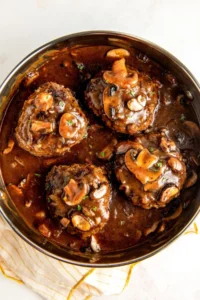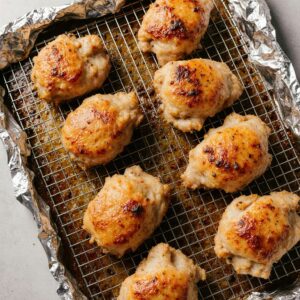
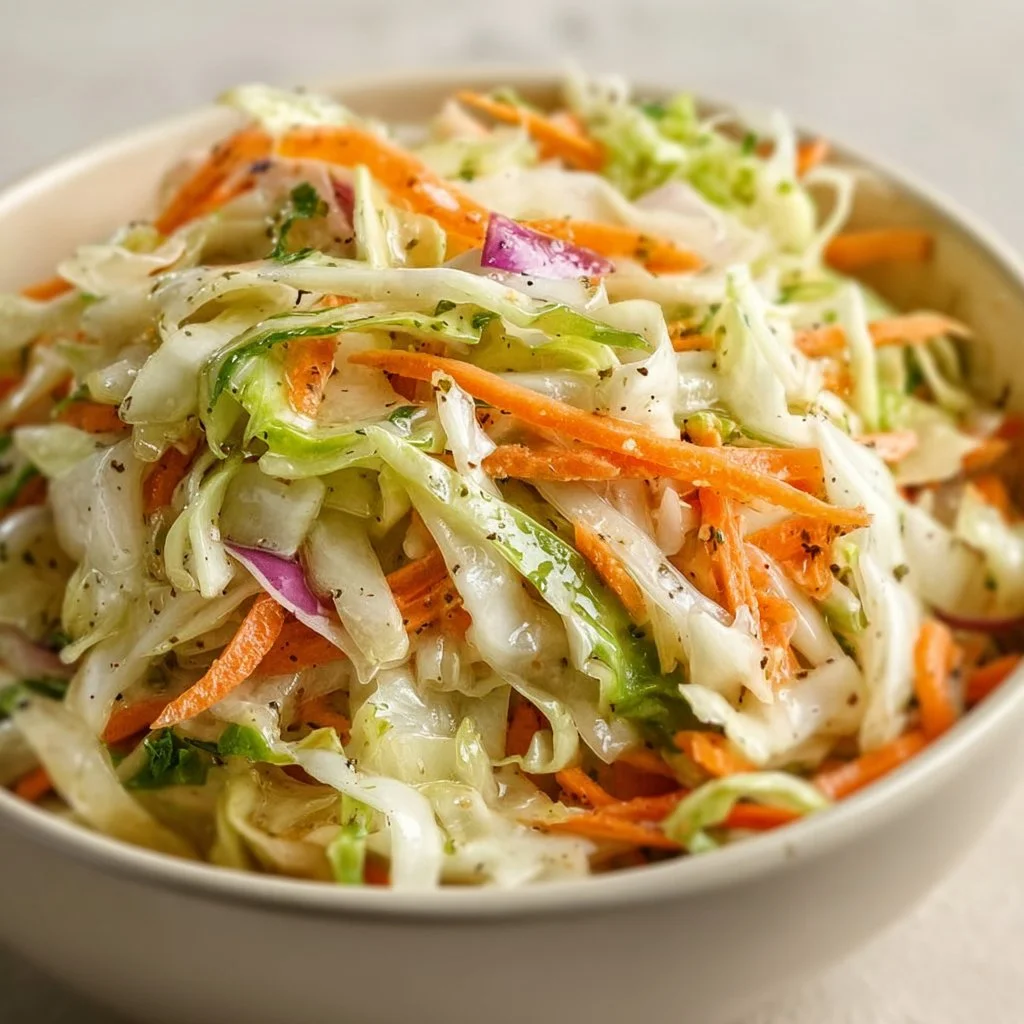
The first time I made this old-fashioned vinegar coleslaw, I was trying to recreate the tangy side my grandmother used to serve with fried chicken.
It turned out brighter and more crunchy than I expected, and it held up for hours without getting soggy.
This recipe is simple, pantry-friendly, and the dressing cooks briefly so the flavors meld into the cabbage in a way raw dressings never do.
If you like classic Southern sides, this vinegar coleslaw is a reliable go-to that travels well to picnics and potlucks.
Pair it with a hearty soup for a cozy meal—I’ve often served it alongside my mom’s vegetable beef soup for a weeknight dinner.
It’s fast to make, keeps its texture, and improves if made a few hours ahead.
Why You’ll Love This Recipe
- Tangy, bright vinegar dressing that cuts through rich mains.
- Crisp cabbage and carrot bite that stays crunchy even after chilling.
- No mayonnaise—so it’s lighter, fridge-stable, and great for warm-weather meals.
- Pantry-friendly: celery seed, sugar, and mustard add a classic voice with minimal fuss.
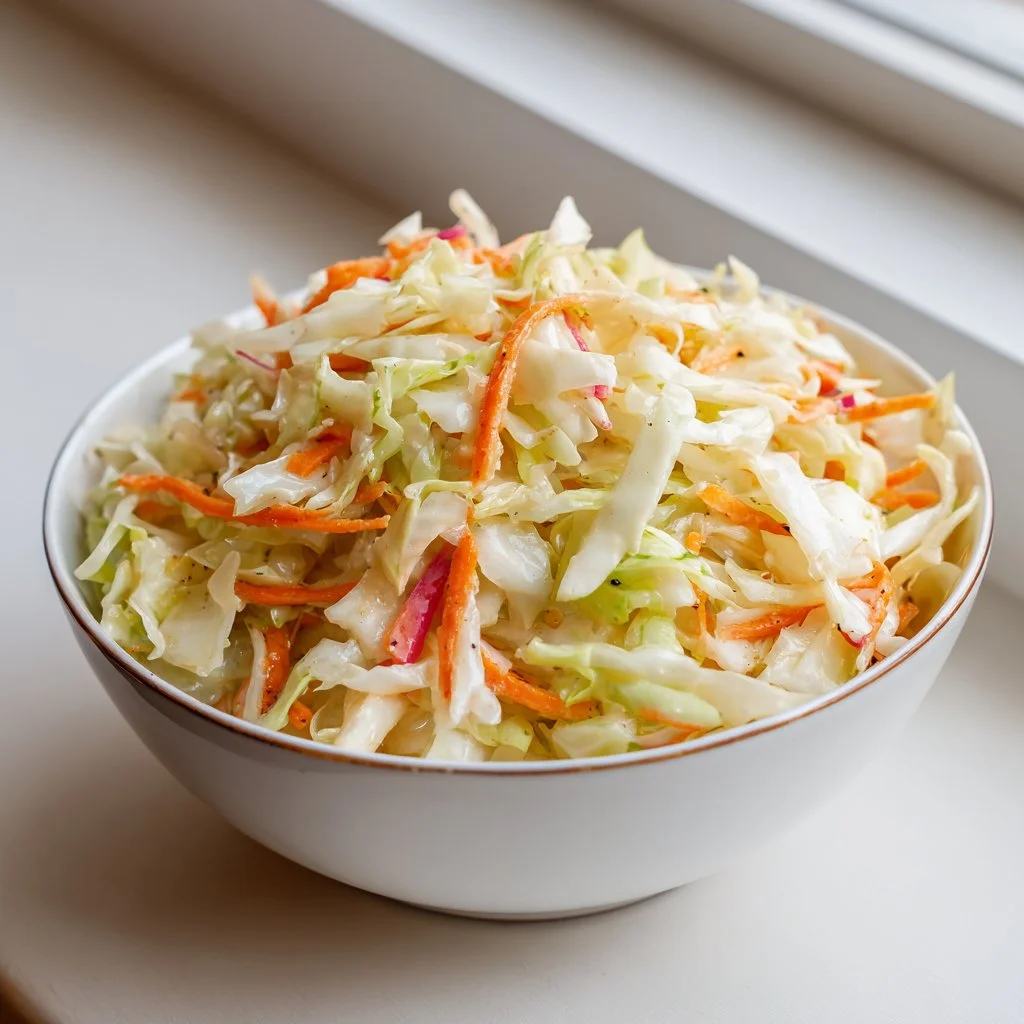
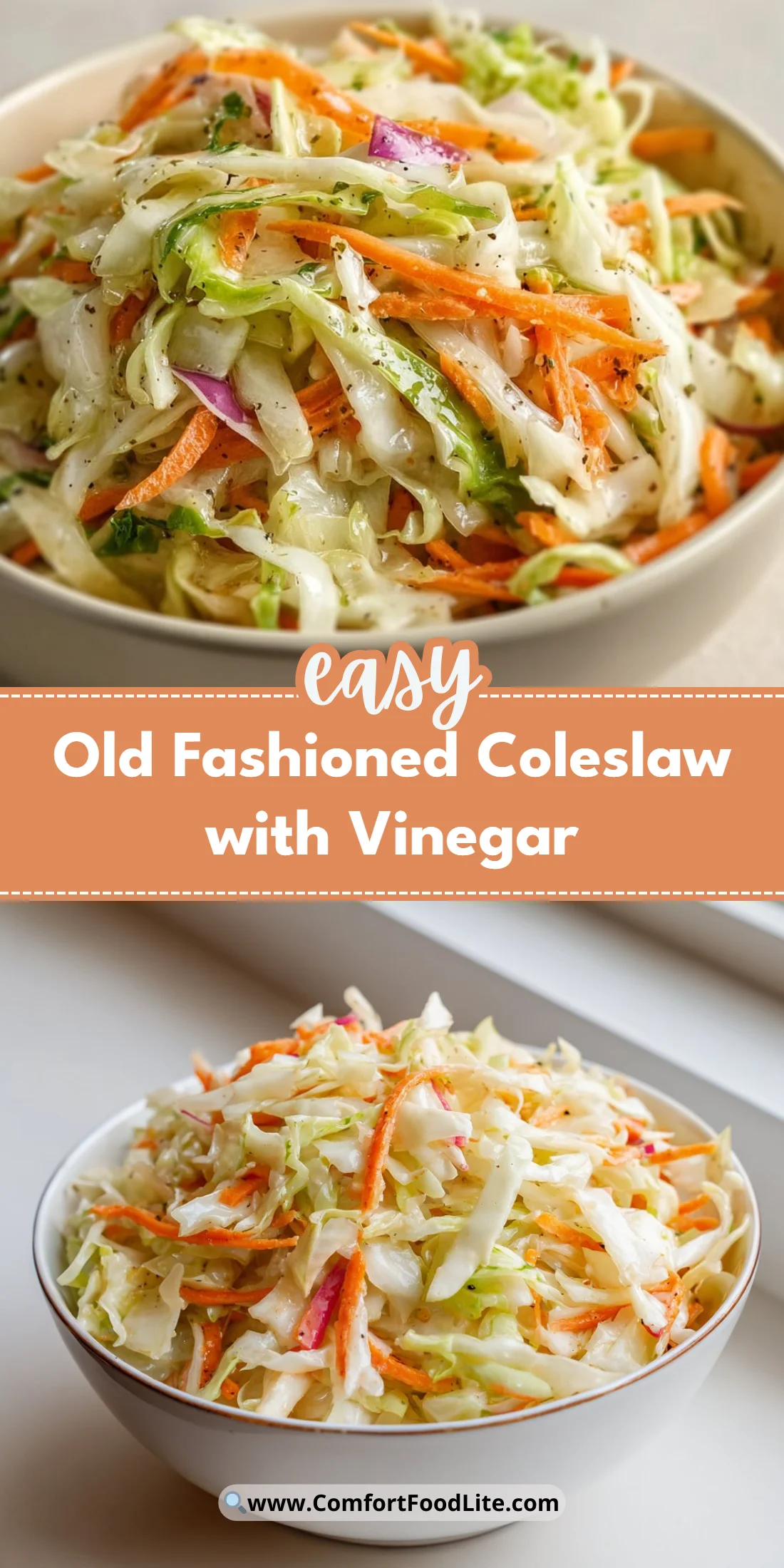
The texture is the real star: thinly sliced green cabbage gives a clean, toothsome crunch while shredded carrots add a softer snap and color contrast.
The hot, simmered vinegar dressing partially softens the very outer edges of the cabbage while sealing in crunch at the core, producing a layered mouthfeel.
You’ll taste a bright acidic punch first, then a gentle sweetness from the sugar, and a soft savory note from the Dijon and celery seed as the dressing cools.
“Five stars. Made this for a family picnic and everyone asked for the recipe. Bright, tangy, and holds up without mayo — perfect.” — Sarah, reader
Key Ingredients
Dill pickles and mayonnaise aren’t missing here because the distilled vinegar, sugar, and salt combine to season and tenderize the cabbage.
Below are the three most consequential ingredients and why they matter.
Green cabbage (5 cups, thinly sliced): This is the foundation. Use fresh, dense heads with pale green leaves for the best crunch. The thin slice is essential—too thick and the dressing won’t penetrate; too thin and it goes limp. A sharp chef’s knife or a mandoline set to a thin setting gives consistent ribbons that soak up the dressing evenly.
I often buy a local head and remove the tougher core and outer leaves; the sweeter inner leaves give a cleaner bite.Distilled vinegar (1/3 cup): The acid that defines the slaw. Distilled white vinegar is neutral and sharp, which keeps the color bright and the flavor tang-forward without adding fruity notes. If you want a milder tang, half white vinegar and half apple cider vinegar will round the edge, but the classic recipe calls for plain distilled vinegar to keep the profile crisp.
Olive oil (1/3 cup) and sugar (1/3 cup): These balance each other. The oil tames the vinegar and carries aromatics, while sugar tempers the acidity and creates a thin glaze on the vegetables. Use a mild extra-virgin olive oil to avoid grassy bitter notes; lighter "pure" olive oil works well if you prefer neutrality. The sugar doesn’t just sweeten—it helps the dressing thicken briefly during the cook and cling to the cabbage.
Full ingredient list:
- 5 cups green cabbage, thinly sliced
- 1 cup carrots, shredded
- 1/2 yellow onion, thinly sliced
- 1/3 cup sugar
- 1 teaspoon celery seed
- 1 teaspoon Dijon mustard
- 1 teaspoon kosher salt
- 1/4 teaspoon black pepper
- 1/3 cup distilled vinegar
- 1/3 cup olive oil
Step-by-Step Instructions
Step 1: Prepare the vegetables
In a large bowl, toss the thinly sliced cabbage, shredded carrots, and thinly sliced yellow onion until they’re evenly distributed.
Use a sturdy bowl—tossing is easier with room to move the vegetables around.
Pro Tip: Slice the cabbage against the grain into thin ribbons for the best texture; you’ll know it’s right when the ribbons feel flexible but still crisp.
Step 2: Make the hot dressing
In a small saucepan, whisk together the sugar, celery seed, Dijon mustard, kosher salt, black pepper, and distilled vinegar.
Heat the mixture gently over medium-low and bring it to a low simmer, stirring so the sugar dissolves completely.
Pro Tip: The sugar should be fully dissolved before adding oil; run a spoon through the mixture and rub a bit between your fingers—no graininess should remain.
Step 3: Emulsify with oil
Slowly whisk in the olive oil while the dressing is simmering.
Continue whisking and bring the mixture briefly to a boil, then cook for exactly one minute to meld the flavors and slightly thicken the dressing.
Pro Tip: Add the oil in a thin stream while whisking to create a stable emulsion; if the oil is splashing in, lower the heat.
Step 4: Combine dressing and vegetables
Pour the hot dressing directly over the cabbage, carrots, and onion.
Toss immediately and thoroughly so the hot dressing kisses every ribbon of cabbage.
Pro Tip: Toss hard enough that the dressing coats but not so vigorously that the cabbage breaks down—you want full coverage and visible shine.
Step 5: Chill and let flavors develop
Cover the bowl and refrigerate for at least 2 hours or overnight to allow the flavors to marry and the cabbage to slightly soften.
Serve cold straight from the fridge.
Pro Tip: You’ll know it’s perfectly rested when the cabbage is slightly less rigid but still offers a clean crunch and the dressing has reduced to a glossy coating.
Expert Tips for Success
- Use a very sharp knife or mandoline for the cabbage. Dull knives crush cells and release too much moisture, which can make the slaw limp. A sharp cut preserves structure and crispness.
- Don’t skip the brief simmer. Heating the vinegar, sugar, and mustard helps dissolve sugar, bloom the celery seed, and slightly soften the cabbage surfaces for better flavor penetration.
- Measure the oil and vinegar accurately. The 1:1 (oil:vinegar) balance here is intentional—too much oil will make the slaw greasy; too little will be overly tart.
- Taste and adjust after chilling. Acidity and salt mellow in the fridge; taste the next day and add a pinch more salt or a splash more vinegar if it needs brightening.
- If you want a snappier bite, salt the vegetables lightly and let them sit in a colander for 20 minutes, then rinse and pat dry before adding the hot dressing. This pulls out a touch of moisture and firms the texture.
- Use kosher salt for even seasoning. If using table salt, reduce the amount slightly because table salt is denser by volume.
- For large batches, scale the dressing by 1.5x before pouring and taste—the hot dressing method handles scaling well because heat ensures sugar dissolution.
- Keep the slaw chilled during transport. If taking to a picnic, pack it in a cooler; the vinegar dressing is more stable than mayo, but cold preserves crunch and food safety.
- If the dressing separates, rewhisk briefly before pouring. Warm the dressing slightly and whisk vigorously to emulsify; the mustard helps stabilize the emulsion.
Storage & Freezing
Fridge storage: Store the coleslaw in an airtight container for up to 4 days.
The vinegar-based dressing helps preserve texture longer than mayo-based slaws.
Before serving leftover slaw, stir it and check texture; a quick squeeze of fresh vinegar or a drizzle of olive oil can revive brightness.
Freezer advice: Freezing is not recommended for this slaw.
Vegetables with high water content like cabbage and carrots become mushy when frozen and thawed, destroying the intended crunchy texture.
If you must freeze, freeze only the dressing separately in a small airtight jar for up to one month and thaw in the fridge; never freeze the dressed slaw.
Reheating: This slaw is served cold or at room temperature.
If you chilled it, remove from the fridge 20 minutes before serving to take the chill off and allow flavors to open.
Do not microwave or heat the dressed slaw; heat will wilt the cabbage and change the bright vinegar flavor.
Variations & Substitutions
Add-ins for texture and flavor: Fold in 1/4 cup golden raisins or slivered almonds for sweet and crunchy contrast.
For a smoky twist, add 1/4 cup chopped smoked ham or crisp bacon bits right before serving.Vinegar swaps: Replace half of the distilled vinegar with apple cider vinegar for a fruitier tang.
Rice wine vinegar will soften the edge if you prefer a gentler acidity.Oil substitutes: Use grapeseed or avocado oil if you want a more neutral taste than olive oil.
For a more pronounced flavor, a good-quality extra-virgin olive oil adds green, peppery notes.Make it vegan-friendly: This recipe is already vegan.
To elevate richness without mayo, stir in a teaspoon of tahini into the dressing before whisking in the oil for a subtle nutty depth.
For a cozy main course pairing, this bright slaw is an excellent counterpoint to rich soups; try it alongside one of the best winter soups for cold weather when you want contrast between rich and crisp.
Frequently Asked Questions
Q: Can I make this coleslaw without cooking the dressing?
A: You can, but the brief simmer serves important purposes: it dissolves the sugar, blooms the celery seed, and helps the mustard emulsify with oil. Raw dressings will taste fresher but won’t meld into the cabbage as smoothly. Cooking also stabilizes the dressing so it clings to the slaw.
Q: How long will vinegar coleslaw keep in the fridge?
A: Properly stored in an airtight container, vinegar coleslaw keeps 3–4 days. The acid helps preservation, but the vegetables will slowly soften. For best crunch, eat within 48 hours or stir in a little fresh shredded cabbage before serving to refresh texture.
Q: Can I use already-shredded coleslaw mix from the store?
A: Yes—store-bought mixes save time. Drain any excess moisture and pat dry before dressing. Because the strips may vary in thickness, toss and taste after chilling and adjust salt or vinegar as needed.
Q: Is celery seed necessary? What can I substitute?
A: Celery seed is traditional and adds an unmistakable aromatic bitterness that complements the vinegar. If you don’t have it, use a pinch of celery salt (reduce kosher salt accordingly) or a small pinch of ground fennel for a different but complementary note.
Q: Will this recipe work with red cabbage?
A: Yes. Red cabbage adds color and a slightly earthier flavor. Note that red cabbage will stain light-colored bowls and hands, and its pigments can tint the dressing. Use the same technique and chilling time.
Final Thoughts
This old-fashioned vinegar coleslaw is an easy, dependable side that brightens hearty mains and keeps its crunch when prepared ahead.
If you enjoyed this recipe, please leave a star rating in the recipe card below or pin it to Pinterest for later.
You can compare similar classic preparations at Old Fashioned Coleslaw with Vinegar – Peel with Zeal, read a no-mayo take at Old Fashioned Vinegar Coleslaw (no mayo recipe) – Blackberry Babe, or try a slightly different family recipe at Old-Fashioned Coleslaw with Vinegar – The Darling Apron.
Vinegar Coleslaw
Ingredients
Vegetables
- 5 cups green cabbage, thinly sliced Use fresh, dense heads for the best crunch.
- 1 cup carrots, shredded Adds color and a softer snap.
- 1/2 cup yellow onion, thinly sliced
Dressing
- 1/3 cup distilled vinegar Defines the slaw; may substitute half with apple cider vinegar.
- 1/3 cup olive oil Use mild extra-virgin for best results.
- 1/3 cup sugar Balances the vinegar.
- 1 teaspoon celery seed Adds aromatic bitterness.
- 1 teaspoon Dijon mustard
- 1 teaspoon kosher salt Use kosher for even seasoning.
- 1/4 teaspoon black pepper
Instructions
Preparation
- In a large bowl, toss the thinly sliced cabbage, shredded carrots, and thinly sliced yellow onion until evenly distributed.
Make the Hot Dressing
- In a small saucepan, whisk together sugar, celery seed, Dijon mustard, kosher salt, black pepper, and distilled vinegar. Heat gently over medium-low and bring to a low simmer, stirring until sugar is dissolved.
Emulsify with Oil
- Slowly whisk in the olive oil while the dressing is simmering. Bring the mixture to a brief boil and cook for exactly one minute.
Combine Dressing and Vegetables
- Pour the hot dressing over the cabbage, carrots, and onion. Toss thoroughly to coat.
Chill and Let Flavors Develop
- Cover and refrigerate for at least 2 hours or overnight before serving.