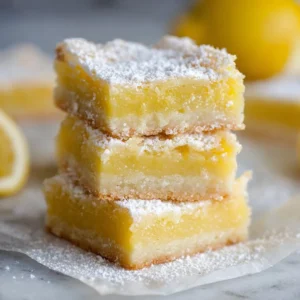
The first time I made these Meyer lemon bars I thought I had stumbled onto something dangerously simple and addictive.
They’re bright, tart, and buttery — the kind of dessert that disappears faster than you can dust them with sugar.
If you are looking for a lemon bar that balances floral Meyer lemon flavor with a tender shortbread crust, this is the one to bookmark.
These bars are a winner because the crust is snappy and slightly crumbly while the filling is silken and just-set, giving that classic, irresistible textural contrast.
They’re also forgiving: pantry-friendly ingredients and a straightforward technique yield dependable results for home bakers.
Why You’ll Love This Recipe
- Bright, floral Meyer lemon flavor that’s less acidic than grocery lemons.
- A crisp, buttery shortbread crust that holds up to the custardy filling.
- Simple pantry ingredients with a quick hands-on time.
- Great for make-ahead entertaining and portable for potlucks.
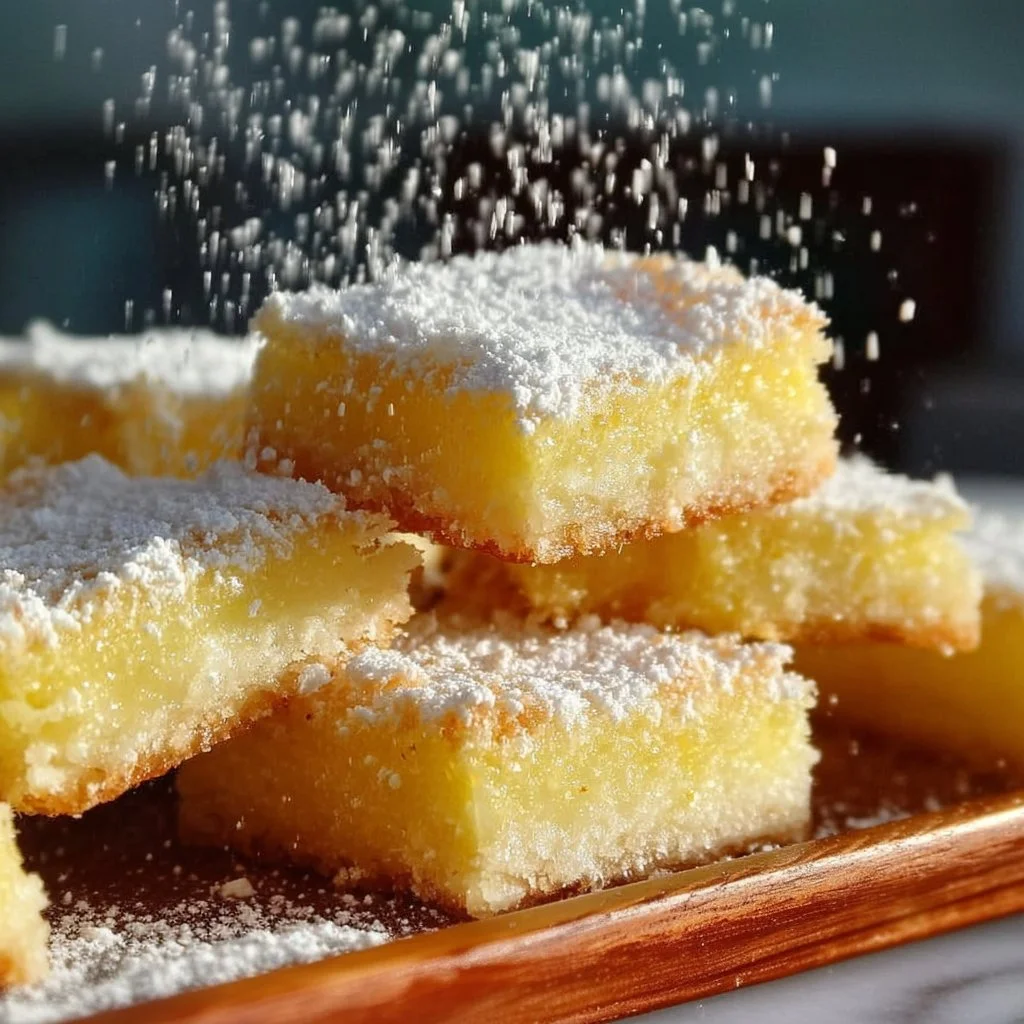
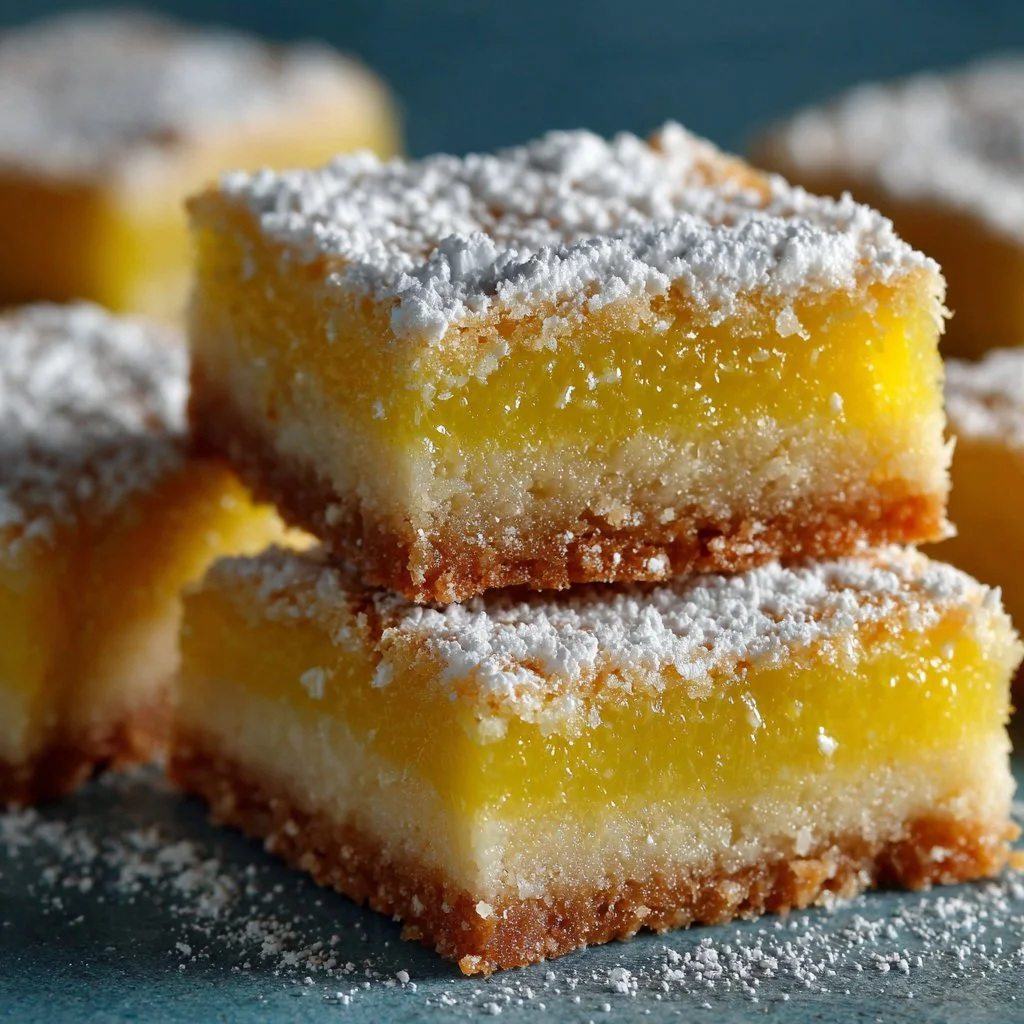
The texture is a study in contrasts: the crust bakes into a golden, lightly crisp shortbread that flakes in pleasing shards. The filling is glossy, custard-like, and barely jiggles when it’s done — silky rather than rubbery. The lemon zest intensifies the aroma without making the bars sour, and the confectioners’ sugar adds the final whisper of sweetness and a pretty finish.
“I made these for a summer dinner party and everyone asked for the recipe. The Meyer lemons give them a perfume that regular lemons don’t — perfect balance of tart and sweet.” — 5★ reader review
Key Ingredients
Meyer lemon juice — Meyer lemons bring a softer, floral acidity compared with regular lemons. Use fresh juice for brightness; bottled lacks the fragrant oils that define these bars. If Meyer lemons aren’t available, use an equal amount of fresh regular lemon juice but reduce zest slightly to avoid overpowering sharpness.
Eggs — Extra-large eggs at room temperature give the filling its custardy structure and sheen. Room-temperature eggs emulsify better with sugar and lemon, reducing the risk of a curdled, grainy filling. If your eggs are cold, warm them briefly in a bowl of warm water.
Unsalted butter — Butter is responsible for the rich flavor and the tender, flaky shortbread crust. Use high-quality unsalted butter (brands like Plugrá or Kerrygold are good choices) and let it soften to room temperature to cream properly with sugar.
All-purpose flour — Flour provides structure in both the crust and the filling. Measure flour using the spoon-and-level method or weigh it for more consistency. The 2 cups in the crust yield a sandy, short texture while the 1 cup in the filling helps the lemon set without being gummy.
Full ingredient list:
- 2 sticks unsalted butter (at room temperature)
- 1/2 cup granulated sugar
- 2 cups all-purpose flour
- 1/8 tsp kosher salt
- 6 eggs (extra large, at room temperature)
- 3 cups granulated sugar
- 2 Tbsp lemon zest
- 1 cup fresh Meyer lemon juice (may substitute fresh regular lemon juice)
- 1 cup flour
- 1 cup confectioners’ sugar for dusting
Step-by-Step Instructions
Step 1: Prep and temperature
Take the butter and eggs out of the refrigerator at least an hour before baking so they come to room temperature.
Preheat your oven to 350°F (177°C) while you work the dough.
Pro Tip: Room-temperature butter yields a creamier, aerated crust dough. You’ll know it’s ready when it gives slightly under your thumb but still holds shape.
Step 2: Make the shortbread crust
Use an electric mixer to cream the 2 sticks of unsalted butter with 1/2 cup granulated sugar until the mixture is light and fluffy.
Combine 2 cups all-purpose flour with 1/8 tsp kosher salt, then with the mixer on low gradually add the flour mixture to the butter until just combined.
Turn the dough into a 9×13-inch baking dish and use your hands or the bottom of a glass to press and flatten the dough evenly across the pan. Place the pan in the refrigerator and chill for at least 30 minutes before baking.
Pro Tip: Press the dough up the sides about 1/8 inch so edges bake evenly. You’ll know the chilled dough is ready when it feels firm and cool to the touch.
Step 3: Blind-bake the crust
Remove the chilled crust from the refrigerator and bake in the preheated oven for 15–20 minutes, or until the top is lightly browned.
Let the baking dish cool on a wire rack before adding the filling.
Pro Tip: The crust should be pale gold, not dark brown. If the edges brown too quickly, tent loosely with foil.
Step 4: Whisk the lemon filling
While the crust cools, place 6 extra-large eggs, 3 cups granulated sugar, 2 Tbsp lemon zest, 1 cup Meyer lemon juice, and 1 cup flour in a large bowl and whisk until fully combined and smooth.
Make sure there are no lumps of flour and that the zest is evenly dispersed.
Pro Tip: Use a fine microplane for zest so you get aromatic oils without bitter pith. The filling should be glossy and pourable — not runny like a syrup.
Step 5: Bake the bars
Pour the lemon filling over the cooled cookie crust and return the pan to the oven. Bake at 350°F for 30–35 minutes, or until the filling is set and barely jiggles in the center. Remove the baking dish and let it cool completely on a wire rack.
Pro Tip: A slight wobble at the center is okay; it will set as the bars cool. If you prefer a firmer bar, bake for the full 35 minutes.
Step 6: Finish and store
When cool, cut into squares and use a sifter or fine-mesh strainer to dust the bars liberally with confectioners’ sugar. Store any leftovers covered in the refrigerator for up to three days.
Pro Tip: Chill for at least two hours before cutting for clean, sharp slices. Warm bars will crumble and smear.
Expert Tips for Success
-
Temperature control — Always use room-temperature butter and eggs. Cold butter won’t cream properly, and cold eggs can cause the filling to seize or mix unevenly. If you’re in a hurry, place eggs in warm water for 5–7 minutes to bring to temperature quickly.
-
Weigh ingredients when possible — Flour amounts vary by scoop and humidity. Use a kitchen scale: 2 cups all-purpose flour is about 240 grams, and 1 cup is about 120 grams. Weighing reduces the risk of a dense crust or gummy filling.
-
Zesting technique — Zest before juicing. Zest brings oils that are the heart of the Meyer lemon aroma. Use a microplane to get fluffy zest and avoid the bitter white pith.
-
Don’t overmix the crust — Mix just until the flour disappears. Overworking the dough develops gluten and makes a tougher crust. The finished dough should be cohesive but slightly crumbly.
-
Baking times and visual cues — The crust should be pale golden; the filling should be set with a slight jiggle in the center. If the top is browning but the center is underdone, lower the oven by 25°F and tent with foil to finish more gently.
-
Cooling and slicing — Cool completely at room temperature, then chill for cleaner slices. Use a sharp knife wiped clean between cuts, or refrigerate the pan for an hour before slicing to firm the custard.
-
Altitude and oven variance — If you bake at high altitude increase the oven temperature by 15–25°F and reduce sugar by 1–2 tablespoons in the filling. Every oven runs differently; use visual cues, not just the clock.
-
Equipment recommendations — A 9×13-inch metal pan gives crisper edges than glass. Use parchment with overhang for easier removal and cleaner slicing.
Storage & Freezing
Fridge storage — Place the cooled bars in an airtight container lined with parchment to separate layers. Store them in the refrigerator for up to three days for the best texture. Bars will keep longer but the shortbread will lose some of its crispness.
Freezer storage — To freeze, cut into squares and line a freezer-safe container with parchment. Arrange bars in a single layer, or separate layers with parchment. Freeze for up to two months. For the best texture, freeze without confectioners’ sugar; dust after thawing.
Thawing and reheating — Thaw frozen bars overnight in the refrigerator. Bring to room temperature before dusting with confectioners’ sugar. If you prefer warm bars, rewarm individual squares in a 300°F oven for 6–8 minutes or microwave for 10–15 seconds, but be careful not to overheat and melt the filling.
Variations & Substitutions
-
Regular lemons — Substitute fresh regular lemon juice if Meyer lemons are unavailable. Cut the lemon zest by a half teaspoon to prevent excessive sharpness and taste before adding more.
-
Gluten-free crust — Swap the crust flour with a 1:1 gluten-free baking blend and add 1–2 tablespoons of almond flour for structure. The texture will be slightly more crumbly but delicious.
-
Almond shortbread crust — Substitute 1/2 cup of the crust flour with finely ground almonds for a nutty flavor. Press the crust firmly to avoid excessive crumbling.
-
Lower-sugar option — Reduce the filling sugar by 1/2 cup and taste. Meyer lemons are sweeter, so you may not need the full amount in every batch.
Frequently Asked Questions
Q: Can I use bottled lemon juice for this recipe?
A: Fresh juice is strongly recommended. Bottled lemon juice lacks the essential oils and bright top notes of fresh Meyer lemons. If you must use bottled juice, taste and consider reducing sugar by a few tablespoons.
Q: How can I tell when the filling is done?
A: The filling is done when the edges are set and the center jiggles slightly — similar to a custard. It should not be liquid or overly sloshy. It will continue to set as it cools.
Q: Why did my filling crack or become rubbery?
A: Overbaking causes rubberiness and cracking. High oven temperatures or leaving the bars in too long are common culprits. Remove them when just set and allow residual heat to finish the cook.
Q: Can I make these ahead for a party?
A: Yes. Bake, cool completely, and refrigerate. Dust with confectioners’ sugar just before serving. They can be made up to two days ahead for peak freshness.
Q: Why is my crust soggy or underbaked?
A: Possible causes include underbaking the crust, adding filling while the crust is hot, or using a glass pan that conducts heat differently. Make sure to bake the crust until lightly golden and cool it slightly before adding the filling.
Final Thoughts
These Meyer lemon bars are an easy, impressive dessert for weeknights or special occasions.
They reward small attentions — zesting properly, room-temperature ingredients, and patient cooling — with glorious flavor.
Please leave a star rating in the recipe card below and pin this to Pinterest if you loved the recipe.
Conclusion
For another take and step-by-step photos, this version from Meyer Lemon Bars | Love and Olive Oil is a great visual reference.
If you want a slightly different technique and tips, check out the notes at Meyer Lemon Bars – What A Girl Eats.
Meyer Lemon Bars
Ingredients
For the crust
- 2 sticks unsalted butter (at room temperature) Use high-quality unsalted butter for the best flavor.
- 1/2 cup granulated sugar For creaming with butter.
- 2 cups all-purpose flour Spoon-and-level method or weigh for consistency.
- 1/8 tsp kosher salt Enhances flavor.
For the filling
- 6 eggs extra-large, at room temperature Room-temperature eggs help emulsify better.
- 3 cups granulated sugar For sweetening the lemon filling.
- 2 Tbsp lemon zest Use a microplane for best results.
- 1 cup fresh Meyer lemon juice Fresh juice recommended for brightness.
- 1 cup flour Helps the filling set.
- 1 cup confectioners' sugar For dusting before serving.
Instructions
Preparation
- Take the butter and eggs out of the refrigerator at least an hour before baking so they come to room temperature.
- Preheat your oven to 350°F (177°C).
Make the shortbread crust
- Cream the 2 sticks of unsalted butter with 1/2 cup granulated sugar using an electric mixer until light and fluffy.
- Combine 2 cups all-purpose flour with 1/8 tsp kosher salt, then gradually add the flour mixture to the butter until just combined.
- Press the dough into a 9x13-inch baking dish and chill for at least 30 minutes.
Blind-bake the crust
- Bake the chilled crust for 15–20 minutes, until lightly browned. Let cool.
Whisk the lemon filling
- In a large bowl, whisk together 6 eggs, 3 cups granulated sugar, 2 Tbsp lemon zest, 1 cup Meyer lemon juice, and 1 cup flour until smooth.
Bake the bars
- Pour the lemon filling over the cooled crust and bake for 30–35 minutes until set. Let cool completely.
Finish and store
- Cut into squares and dust with confectioners’ sugar. Store in refrigerator for up to three days.