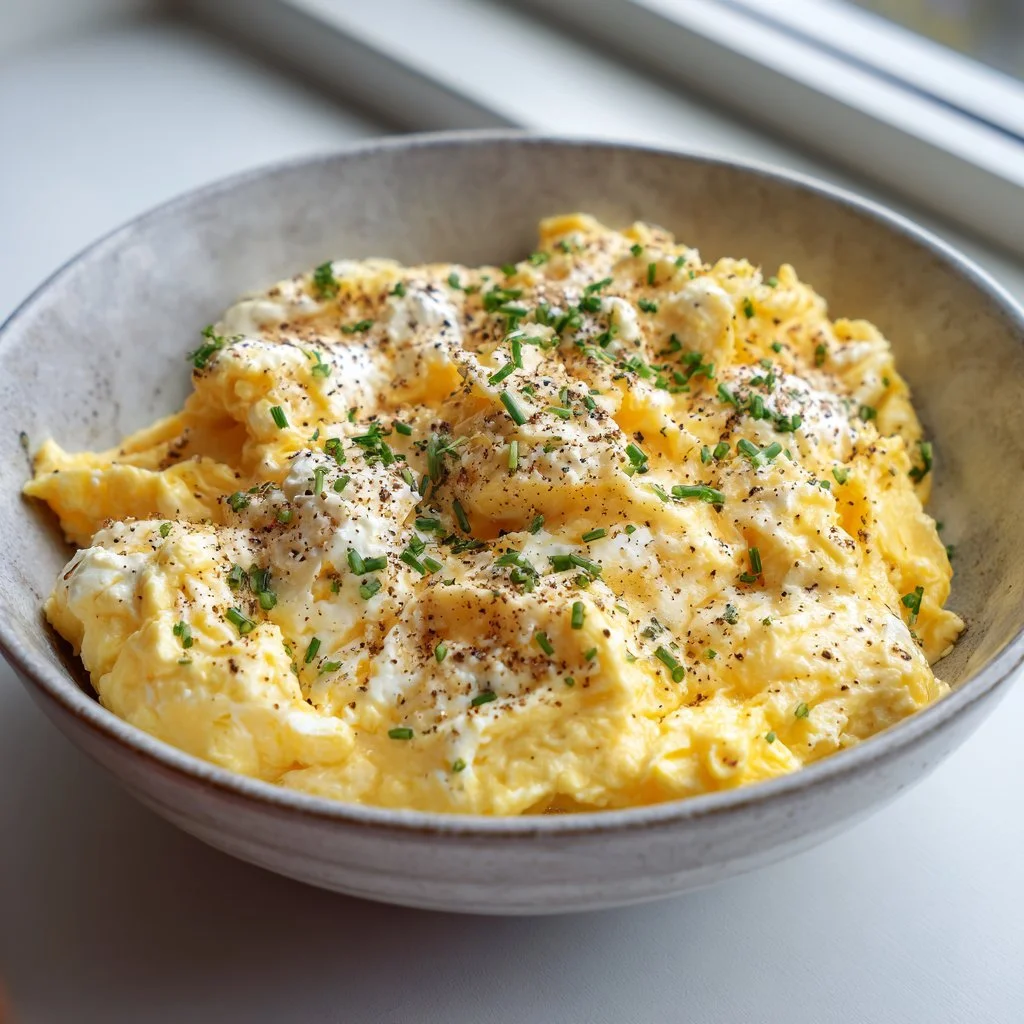
I make this scrambled-egg combo most mornings when I want a fast, filling meal that keeps me energized until lunch. Low-carb and high in protein, these scrambled eggs with cottage cheese feel richer and creamier than plain eggs but take only minutes to pull together. They’re perfect when you need a quick breakfast, a post-workout refuel, or a light dinner — and if you like baked cottage cheese eggs, you’ll appreciate the same tangy creaminess in a quicker form: baked cottage cheese eggs.
Why you’ll love this dish
This recipe gives you the best of both worlds: fluffy scrambled eggs and the silky tang of cottage cheese. The curds melt into the eggs so you get pockets of creaminess without added cream or milk. It’s low in carbs, high in protein, and versatile — great for weight-management plans, keto-ish breakfasts, or anyone who wants a satiating, simple meal.
“I swapped my usual toast for this and still felt full for hours — creamy, quick, and a weekday lifesaver.”
Reasons people reach for this recipe:
- Speed: ready in roughly 5–7 minutes once the pan is hot.
- Nutrition: higher protein per bite than plain eggs, thanks to cottage cheese.
- Budget-friendly: staples you likely already have on hand.
- Kid-friendly texture: mild, creamy, and easy to customize with veg or herbs.
If you like swapping in cottage cheese for extra protein in other quick meals, try this avocado-toast twist for a different breakfast idea: cottage cheese toast with avocado and hot honey.
The cooking process explained
Before you reach for the skillet, here’s a quick run-through so you know what to expect: whisk eggs and cottage cheese until smooth, heat a non-stick pan with a little butter or oil, pour the mixture in, then gently stir as curds form and the cottage cheese softens. You’re aiming for moist, not dry, eggs in about 3–5 minutes of cooking time. If you want more inspiration for high-protein cottage-cheese uses, I often turn to similar ideas like this cottage-cheese pizza bowl for variety: easy high-protein cottage cheese pizza bowl.
What you’ll need
- Eggs (2–4 depending on appetite)
- Cottage cheese (1/4–1/2 cup; small-curd recommended)
- Salt (to taste)
- Freshly ground black pepper (to taste)
- Butter or neutral oil for the skillet
- Optional: chopped chives, fresh herbs, or quick veggies (spinach, halved cherry tomatoes)
Substitutions and notes:
- Use low-fat cottage cheese to cut calories, but full-fat yields richer texture.
- If you prefer a completely smooth mix, briefly blend the cottage cheese and eggs (use a handheld blender).
- For a dairy-free protein boost, try crumbled firm tofu instead of cottage cheese (different flavor/texture).
Also useful: try cottage cheese in muffins or baking to keep breakfasts protein-forward: high-protein cottage cheese blueberry muffins.
Step-by-step instructions
- Crack the eggs into a bowl. Add the cottage cheese, a pinch of salt, and a few grinds of pepper. Whisk until mostly smooth — a few small curds are fine.
- Warm a non-stick skillet over medium heat. Add a teaspoon of butter or a splash of oil and let it melt/spread.
- Pour the egg-and-cottage-cheese mixture into the pan and let it sit undisturbed for 10–15 seconds so the edges begin to set.
- Using a silicone spatula, gently stir and fold the eggs from the edges toward the center. Pause between stirs so the eggs can form soft curds.
- Cook until eggs are just set but still moist — they will continue to carryover-cook off the heat. Aim for no visible liquid egg.
- Remove from heat and finish with chopped chives or a handful of sautéed spinach or tomatoes if desired. Serve immediately.
Best ways to enjoy it
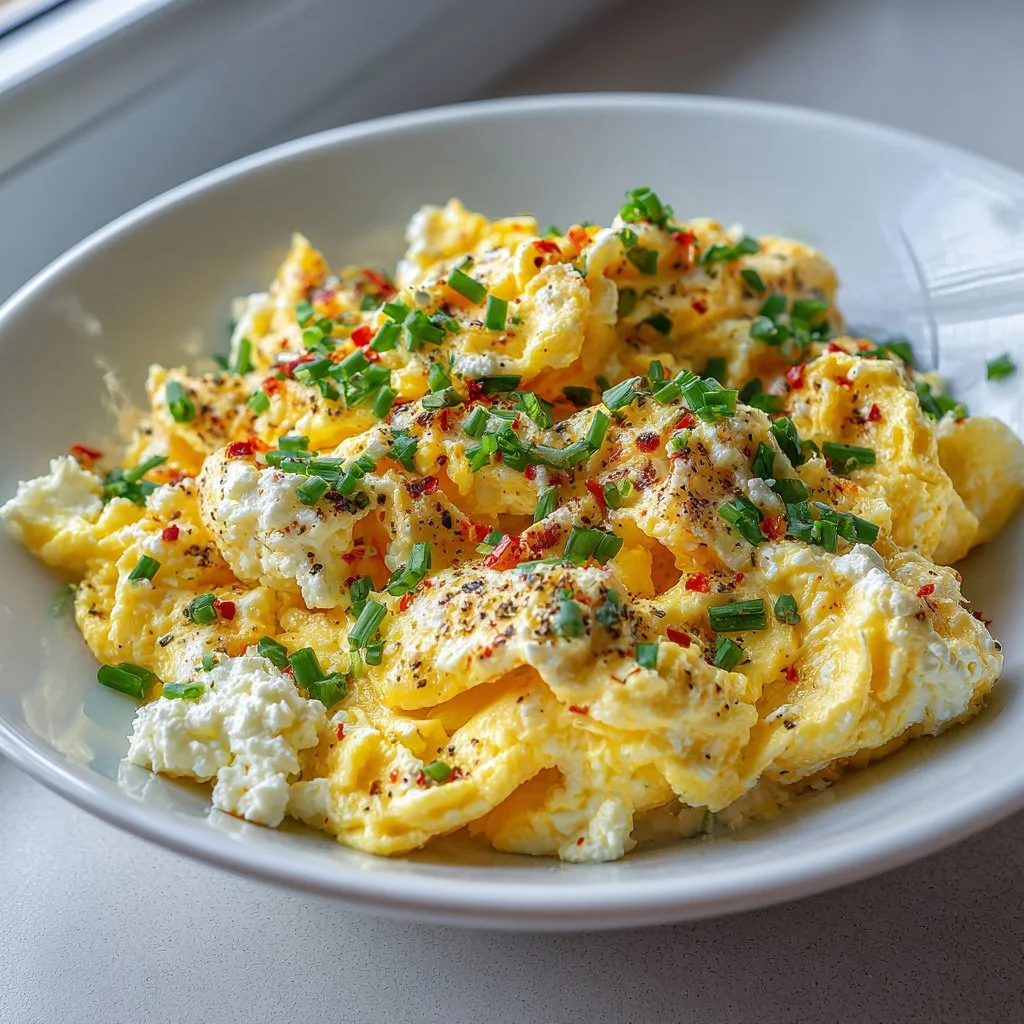
These scrambled eggs work as a standalone plate or part of a bigger breakfast spread. Try:
- On a bed of baby spinach with a squeeze of lemon and flaky salt.
- Paired with a light salad — a protein-rich egg plate balances crisp greens; it goes especially well alongside a chilled cottage-cheese-based chicken salad like this: high-protein cottage cheese chicken salad.
- Stuffed into an omelet, folded into a breakfast burrito (skip the tortilla for lower carbs), or served over roasted vegetables for a simple dinner.
For plating, a shallow bowl or warm plate with a sprinkle of fresh herbs and a grind of pepper makes it look restaurant-ready in seconds.
Storage and reheating tips
- Refrigerate leftovers within two hours in an airtight container. Eat within 3–4 days.
- Reheat gently: microwave on medium power in 20–30 second bursts, stirring between intervals, or warm in a non-stick pan over low heat with a splash of water to loosen the texture.
- Freezing cooked cottage-cheese scrambled eggs is not ideal; cottage cheese can become grainy and watery after thawing. If you must, freeze only once and use within 1 month; thaw overnight in the refrigerator and reheat gently.
Food safety note: cook eggs until fully set to reduce risk of foodborne illness. If serving vulnerable guests (pregnant people, infants, elderly, immunocompromised), use pasteurized cottage cheese and ensure eggs are cooked through.
Helpful cooking tips
- Low and slow gives the best texture: medium to medium-low heat prevents rubbery eggs.
- Don’t over-whisk if you like distinct curds; whisk more if you prefer a very smooth, custardy result.
- Add cottage cheese at the whisking stage, not after the eggs are nearly cooked — blending early helps integrate moisture and protein.
- Use a non-stick pan and a silicone spatula to prevent sticking and breakage.
- Taste as you go for salt: cottage cheese can be salty, so start light and adjust at the end.
Recipe variations
- Veg-forward: fold in quick-sauteed spinach, mushrooms, or halved cherry tomatoes at the last minute.
- Mediterranean: add crumbled feta instead of cottage cheese and finish with oregano and kalamata olives.
- Spicy: stir in a dash of hot sauce or diced jalapeño while cooking.
- Dairy-free: replace cottage cheese with mashed silken tofu and nutritional yeast for savory depth.
- Meal-prep bowl: serve over cauliflower rice with avocado and roasted peppers for a low-carb lunch.
Common questions
Q: Can I use low-fat or non-fat cottage cheese?
A: Yes. Low-fat varieties reduce calories but will produce a slightly less creamy texture. Full-fat gives a richer mouthfeel.
Q: How much protein is in this dish?
A: Protein depends on portions—two large eggs plus 1/4 cup cottage cheese typically yield about 20–25 grams of protein. Adjust egg count and cottage cheese for higher targets.
Q: Can I make this ahead for meal prep?
A: You can cook and refrigerate for up to 3–4 days, but the texture is best fresh. Reheat gently to avoid drying out.
Q: Is it safe to eat undercooked eggs with cottage cheese?
A: For safety, cook until eggs are set. Use pasteurized cottage cheese if serving people with higher food-safety risk.
Q: What cottage cheese curd size should I use?
A: Small-curd blends more smoothly and gives a creamier finish; large-curd gives more distinct pockets of cheesy texture.
Conclusion
If you want another take on protein-packed scrambled eggs, this version is a quick, reliable choice that brings extra creaminess without heavy cream. For other tried-and-tested recipes using cottage cheese and eggs, see these trusted sources: High-Protein Scrambled Eggs with Cottage Cheese – Skinnytaste, High Protein Scrambled Eggs With Cottage Cheese (10-Minutes), and High-Protein Scrambled Eggs with Cottage Cheese – Joy Bauer.
Scrambled Eggs with Cottage Cheese
Ingredients
Main Ingredients
- 2-4 large large eggs Use based on appetite
- 1/4-1/2 cup cottage cheese Small-curd recommended
- to taste salt For seasoning
- to taste freshly ground black pepper For seasoning
- 1 teaspoon butter or neutral oil For cooking in the skillet
Optional Add-ins
- to taste chopped chives For garnish
- to taste fresh herbs or quick veggies (spinach, halved cherry tomatoes) For added flavor and nutrition
Instructions
Preparation
- Crack the eggs into a bowl. Add the cottage cheese, a pinch of salt, and a few grinds of pepper. Whisk until mostly smooth; a few small curds are fine.
Cooking
- Warm a non-stick skillet over medium heat. Add a teaspoon of butter or a splash of oil and let it melt.
- Pour the egg-and-cottage-cheese mixture into the pan and let it sit undisturbed for 10–15 seconds so the edges begin to set.
- Using a silicone spatula, gently stir and fold the eggs from the edges toward the center. Pause between stirs to allow the eggs to form soft curds.
- Cook until the eggs are just set but still moist — they will continue to cook after being removed from heat. Aim for no visible liquid egg.
- Remove from heat and finish with chopped chives or sautéed spinach or tomatoes if desired. Serve immediately.