
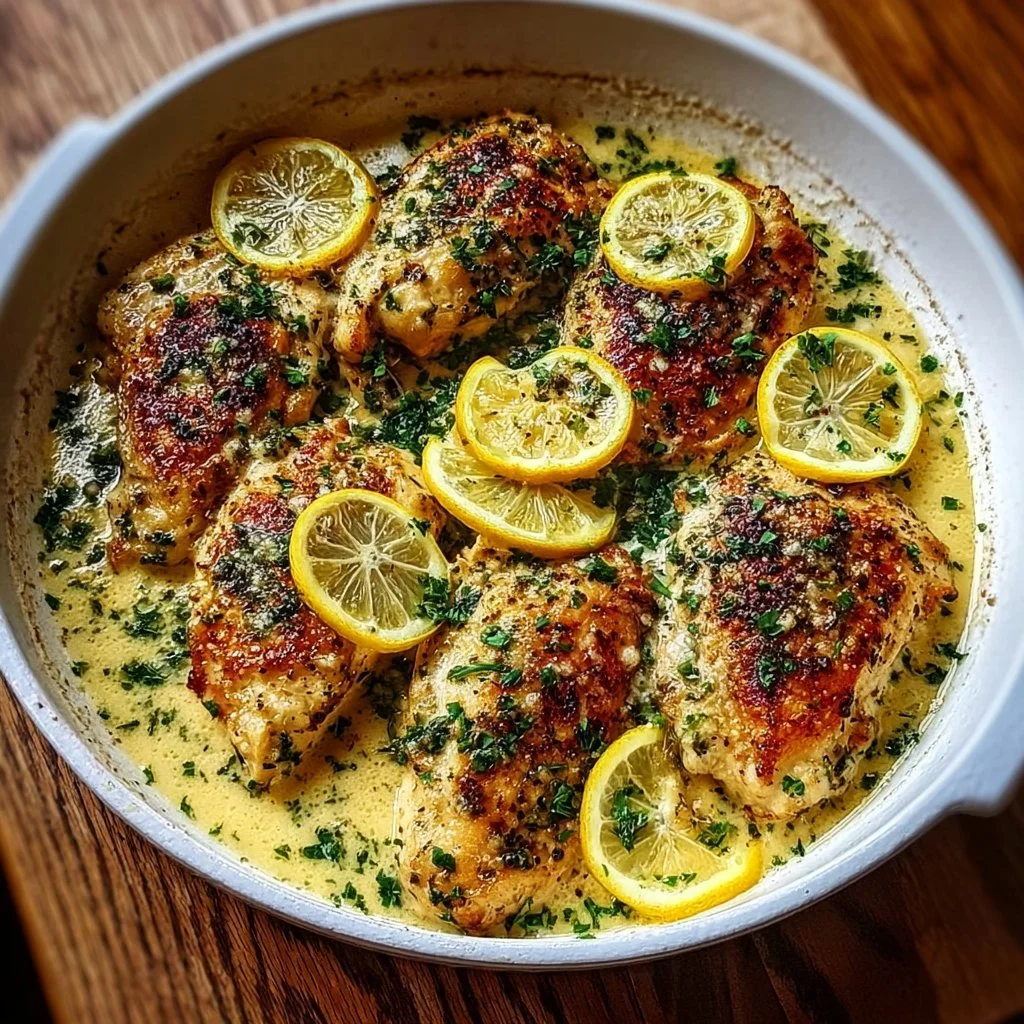
The first time I made this Lemon Chicken Romano, my family quieted down mid-bite and the dishwasher temporarily got forgotten.
It’s a weeknight dinner that looks and tastes like something special, but it’s honestly simple enough for any night.
Bright lemon, savory Romano, and a silky pan sauce make it both comforting and elegant.
I’ll walk you through the why, the how, and the small decisions that turn this from “good” to “really memorable.”
If you love lemon-forward chicken, you might also enjoy a slow-cooked citrus roast like my crockpot lemon garlic chicken thighs for a hands-off option.
Why You’ll Love This Recipe
- Fast, weeknight-friendly: ready in about 30 minutes from start to finish.
- Big citrus flavor without masking the chicken.
- A one-skillet dinner with a built-in sauce that doubles as a plate-worthy finishing touch.
- Uses pantry-friendly ingredients with a simple grocery list.
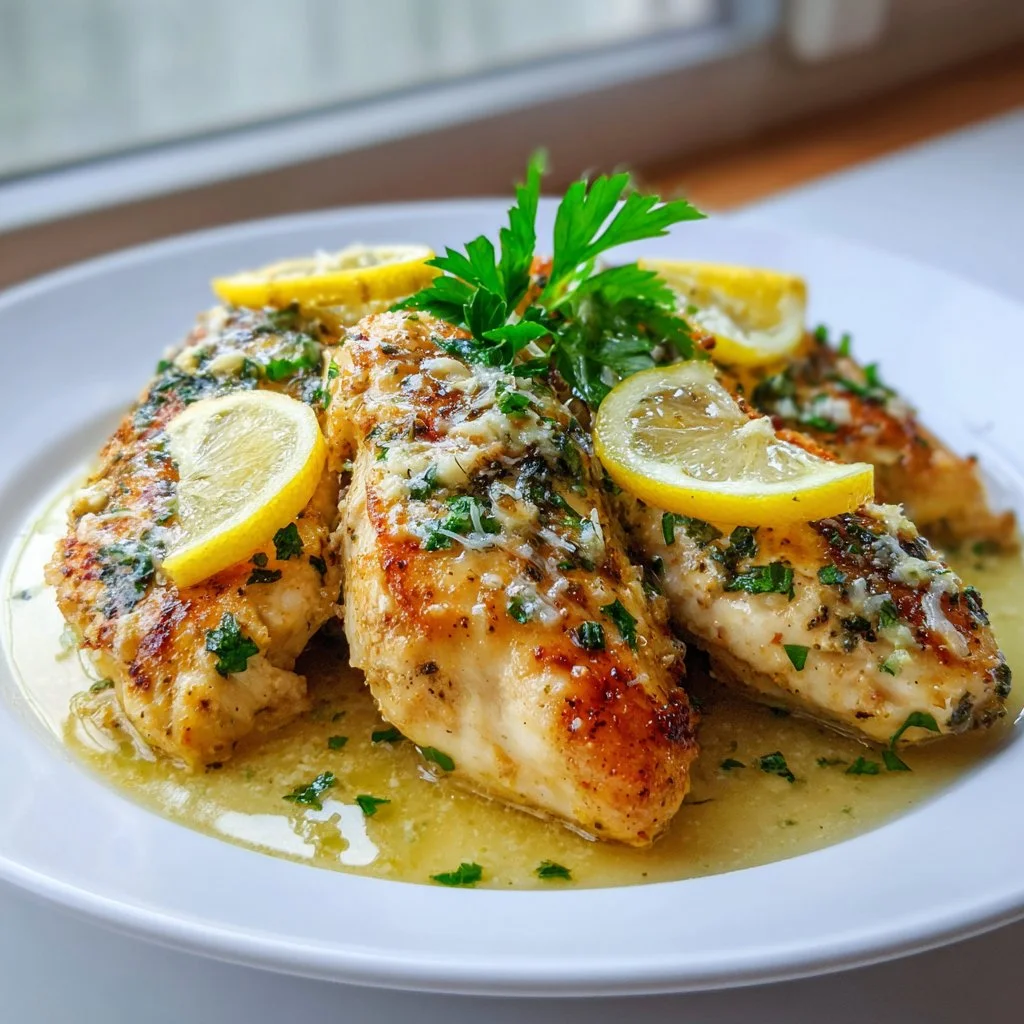
The texture is a satisfying contrast: the chicken gets a golden, lightly crisped exterior from a hot pan while staying tender inside.
The lemon and chicken broth reduce into a glossy, slightly tangy sauce that clings to the meat, and the Romano melts into a sharp, salty finish.
That acid-cheese balance lifts the whole dish; it’s bright but grounded.
“Five stars — simple, fast, and the sauce is amazing. My husband asked for this every week!” — reader review
Key Ingredients
Olive oil: Use a good-quality extra-virgin olive oil for flavor and smoke stability.
A neutral-but-fruity EVOO (look for mid-priced bottles with recent harvest dates) gives a clean sear without bitterness.
Avoid very cheap “olive oils” that can taste flat.
Lemons (juiced): Fresh lemon juice brightens and tenderizes.
Bottled lemon juice can work in a pinch, but fresh juice gives cleaner acidity and essential aromatic oils from the zest if you choose to add some for garnish.
Romano cheese (grated): Romano is saltier and tangier than Parmesan, and it melts into the sauce, adding savory depth.
Choose a freshly grated or wedge-at-the-counter Romano for better texture and flavor than pre-shredded bags.
Chicken broth: A good-quality chicken broth supplies body and a savory backbone for the lemon.
Low-sodium broth gives you control over salt; you can always finish the dish with a pinch of salt if needed.
Full ingredient list:
- 4 chicken breasts
- 2 tablespoons olive oil
- 2 lemons (juiced)
- 1 cup chicken broth
- 1/2 cup Romano cheese (grated)
- Salt and pepper to taste
- Fresh parsley (for garnish)
Step-by-Step Instructions
Step 1: Season the chicken
Pat the chicken breasts dry with paper towels.
Season both sides generously with salt and freshly ground black pepper.
A dry surface yields the best sear.
Pro Tip: You’ll know it’s ready when the chicken doesn’t stick to the pan; if it resists, give it another 30 seconds.
Step 2: Heat the skillet and oil
Place a large skillet over medium heat and add the olive oil.
Warm until the oil shimmers but doesn’t smoke.
Pro Tip: If the oil smokes, reduce the heat slightly. A shimmering oil indicates good searing temperature.
Step 3: Pan-sear the chicken
Add the chicken breasts to the hot skillet.
Cook until golden brown on the first side, about 7–8 minutes, then flip and cook the other side for another 7–8 minutes until cooked through.
Internal temperature should reach 165°F (74°C).
Pro Tip: You’ll know the chicken is cooked when juices run clear and an instant-read thermometer hits 165°F. Rest the chicken briefly before returning it to the pan.
Step 4: Remove and set aside
Transfer the seared chicken to a plate and tent loosely with foil.
Let it rest while you make the sauce; this keeps the meat juicy.
Pro Tip: Resting for at least 5 minutes allows the juices to redistribute and prevents them from running out when you slice.
Step 5: Build the lemon-broth sauce
With the same skillet still hot, pour in the lemon juice and chicken broth.
Use a wooden spoon to scrape any browned bits from the pan — that fond is flavor gold.
Pro Tip: The browned bits will dissolve into the liquid and make the sauce rich; don’t skip scraping the pan.
Step 6: Reduce the sauce
Bring the liquid to a simmer and let it reduce slightly for about 3–4 minutes.
This concentrates the lemon flavor and thickens the sauce a bit.
Pro Tip: Reduce until the sauce coats the back of a spoon. It will thicken more when the cheese is added.
Step 7: Return chicken and add Romano
Nestle the chicken back into the skillet.
Spoon the sauce over each breast and sprinkle evenly with the grated Romano cheese.
Pro Tip: Sprinkle the cheese while the sauce is gently bubbling so it melts into a silky coating.
Step 8: Finish and garnish
Cook for an additional 2 minutes until the Romano has melted and formed a glossy finish.
Remove from heat and garnish with chopped fresh parsley before serving.
Pro Tip: A quick squeeze of extra lemon or a little cracked pepper at the end brightens the final bite.
Expert Tips for Success
Temperature control matters: Bring chicken to room temperature for 15–20 minutes before cooking.
Cold chicken shocks the pan and steams rather than sears.
This small step improves color and texture.Use a heavy skillet: A stainless-steel or cast-iron skillet retains and distributes heat better than thin nonstick pans.
Even heat creates an even crust on the chicken.Dry the chicken: Patting the breasts dry removes surface moisture that prevents browning.
Use paper towels and press gently until the surface feels tacky.Don’t overcrowd the pan: Cook in batches if necessary.
Overcrowding drops the pan temperature and causes steaming instead of searing.Monitor oil temperature: Heat the oil until it shimmers but stops short of smoking.
If the oil smokes, it can impart bitterness; too cool and you won’t get a good crust.Use fresh lemon: Fresh juice tastes brighter and the oils from the zest are aromatic.
If lemons are extra juicy, reserve a tablespoon for finishing if desired.Low-sodium broth is your friend: It allows you to control the salt level; Romano is salty, so start low and finish to taste.
Tasting the sauce before plating is the quickest troubleshooting step.Timing for thickness: If your sauce reduces too much, whisk in a tablespoon of butter or an extra splash of broth off the heat to loosen it.
Conversely, if it’s too thin, simmer a bit longer or grate in a touch more Romano.Use a thermometer for reliability: Aim for 165°F (74°C) internal temp.
It prevents overcooking and gives you juicy results every time.Consider pound-thin breasts for quick and even cooking: If your chicken breasts are uneven, pound them to an even thickness to ensure consistent cook times.
This is especially helpful for faster weeknight versions.For a hands-off variation, you can prep ahead: Sear the breasts, store them covered, and finish with sauce just before serving.
For other quick chicken ideas, try my 15-minute air fryer chicken to compare techniques.Watch the cheese: Pre-grated Romano can contain anti-caking agents that affect melt.
When possible, grate from a wedge for a silkier finish.
Storage & Freezing
Fridge storage: Cool the chicken to room temperature (no more than two hours at room temp).
Place in an airtight container with some of the sauce to keep the meat moist.
Use within 3–4 days for best quality.
Freezer storage: For longer storage, freeze the chicken and sauce in freezer-safe containers or heavy-duty freezer bags.
Remove as much air as possible.
Label with the date; best within 2–3 months for flavor and texture.
Reheating from fridge: Gently reheat in a skillet over low-medium heat with a splash of chicken broth to loosen the sauce.
Cover the skillet to trap steam and heat until warmed through.
Reheating from frozen: Thaw overnight in the refrigerator.
Reheat as above.
If you’re short on time, defrost in the microwave using the defrost setting, then finish in a skillet to revive texture.
Avoid overheating: High heat can dry out chicken and separate the sauce.
Reheat slowly and check often.
Variations & Substitutions
Garlic-Lemon Romano: Add 1–2 cloves of minced garlic to the pan in Step 5 before adding the lemon and broth.
Garlic softens the tartness and gives a more savory profile.
Creamy version: Stir 1/4 cup heavy cream or crème fraîche into the sauce at the end for a luscious, mellow finish.
This is helpful if you find the sauce too bright.
Poultry swaps: Use boneless, skinless chicken thighs if you prefer darker meat; cook a few minutes longer until they reach the proper internal temp.
You can also halve thin-cut breasts to speed cooking.
Vegetarian take: Swap chicken for thick slices of grilled halloumi or pan-seared tofu.
Press tofu and marinate briefly in lemon before searing.
Lemon-forward dinner pairing: Round off the meal with a lemon dessert for continuity — try a simple citrus cake like my 4-ingredient lemon cream cheese dump cake.
Lighten it up: For fewer calories, use light olive oil and serve with steamed vegetables and a grain like orzo.
If you like Greek flavors, these pair well with my savory Greek chicken meatballs with zesty lemon orzo.
Frequently Asked Questions
Q: Can I use bone-in chicken breasts for this recipe?
A: Yes. Bone-in breasts will take longer to cook — typically 10–12 minutes per side depending on thickness.
Use an instant-read thermometer to ensure the thickest part reaches 165°F.
The bone adds flavor, but adjust timing and consider covering the pan for part of the cook to ensure even heat.
Q: My sauce tastes too bitter after adding lemon. What happened?
A: Bitterness can come from overheated lemon oils or burnt oil in the pan.
Make sure oil isn’t smoking and don’t boil the lemon juice aggressively.
If bitterness is mild, balance with a pinch of sugar or a pat of butter to smooth the edge.
Q: Can I prepare this ahead of time for guests?
A: Yes. Sear the chicken and keep it loosely covered.
Make the sauce shortly before guests arrive and finish the dish by heating the breasts in the skillet with the sauce and Romano.
This keeps the texture fresh and flavors bright.
Q: What side dishes work well with Lemon Chicken Romano?
A: Any mild starch or green vegetable pairs well.
Try buttery orzo, roasted potatoes, sautéed green beans, or a simple arugula salad.
For a faster weeknight option, a quick air-fryer veg mix is great — see my 10-minute air fryer chicken and veggies for ideas.
Q: Is Romano interchangeable with Parmesan?
A: Romano and Parmesan are cousins but not identical.
Romano is sharper and saltier; Parmesan is nuttier and milder.
If you swap, taste and adjust seasoning.
Using Parmesan will produce a slightly subtler finish.

Final Thoughts
This Lemon Chicken Romano is one of those dinners that balances everyday simplicity with bright, memorable flavors.
It’s easy enough for a Tuesday but pretty enough for company.
Please leave a star rating in the recipe card below and pin this to Pinterest if you loved it.
Conclusion
For a slightly different take or inspiration from other cooks, check this well-tested version at Lemon Chicken Romano – Cooking Classy.
If you want variations and community comments, this crowd-sourced recipe is helpful: Lemon Chicken Romano Recipe – Allrecipes.
For additional tips on technique and flavor combinations, read this approach at Lemon Chicken Romano – Closet Cooking.

Lemon Chicken Romano
Ingredients
Main Ingredients
- 4 pieces chicken breasts Boneless and skinless
- 2 tablespoons olive oil Use good-quality extra-virgin olive oil for flavor
- 2 pieces lemons (juiced) Fresh lemon juice is preferred
- 1 cup chicken broth Use low-sodium for better control over salt
- 1/2 cup Romano cheese (grated) Freshly grated is best for texture and flavor
- Salt and pepper to taste
- Fresh parsley (for garnish)
Instructions
Preparation
- Pat the chicken breasts dry with paper towels. Season both sides generously with salt and freshly ground black pepper.
- Place a large skillet over medium heat and add the olive oil. Warm until the oil shimmers but doesn’t smoke.
Cooking
- Add the chicken breasts to the hot skillet. Cook until golden brown on the first side, about 7–8 minutes, then flip and cook the other side for another 7–8 minutes until cooked through.
- Transfer the seared chicken to a plate and tent loosely with foil to rest.
- Pour in the lemon juice and chicken broth into the same skillet, scraping any browned bits from the pan.
- Bring the liquid to a simmer and let it reduce slightly for about 3–4 minutes.
- Nestle the chicken back into the skillet. Spoon the sauce over each breast and sprinkle with grated Romano cheese.
- Cook for an additional 2 minutes until the Romano has melted and formed a glossy finish.
Serving
- Remove from heat and garnish with chopped fresh parsley before serving.