The first time I made this katsu bowl I vowed never to order takeout again.
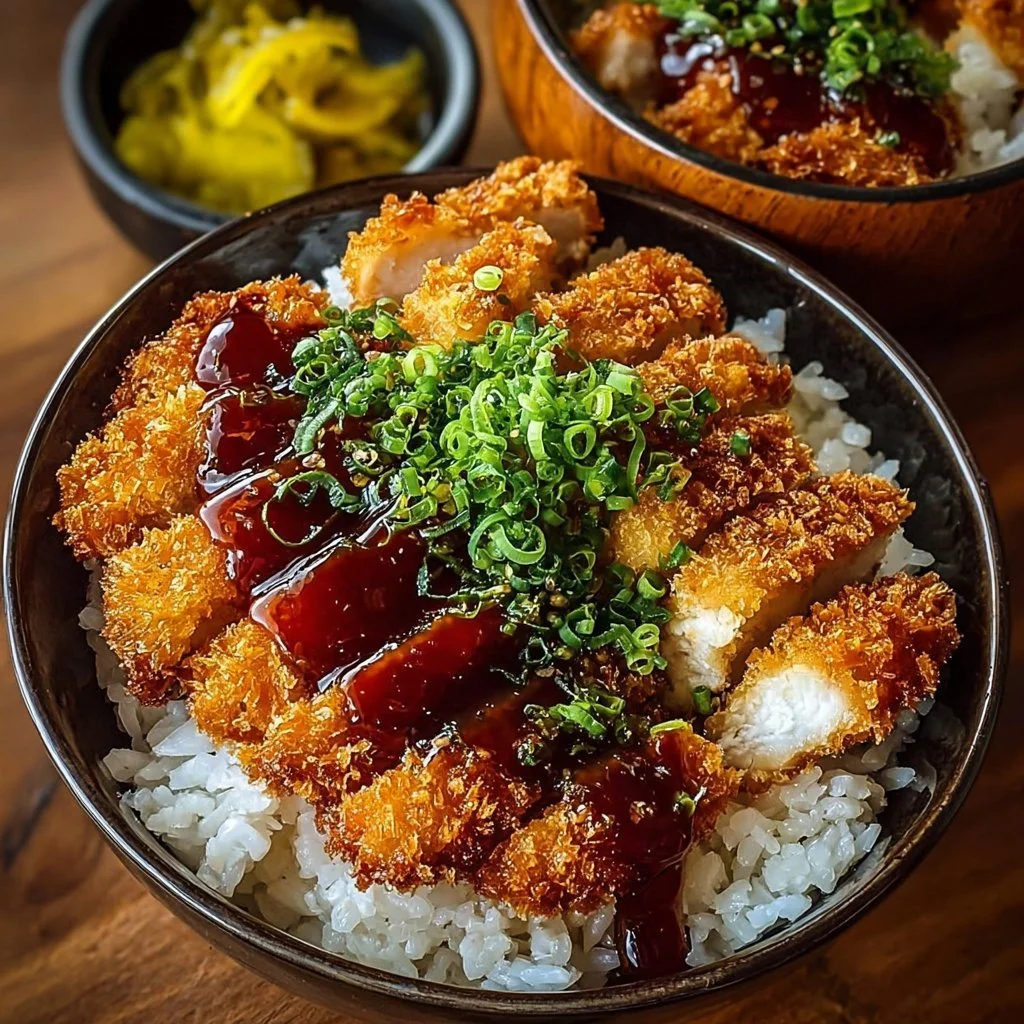
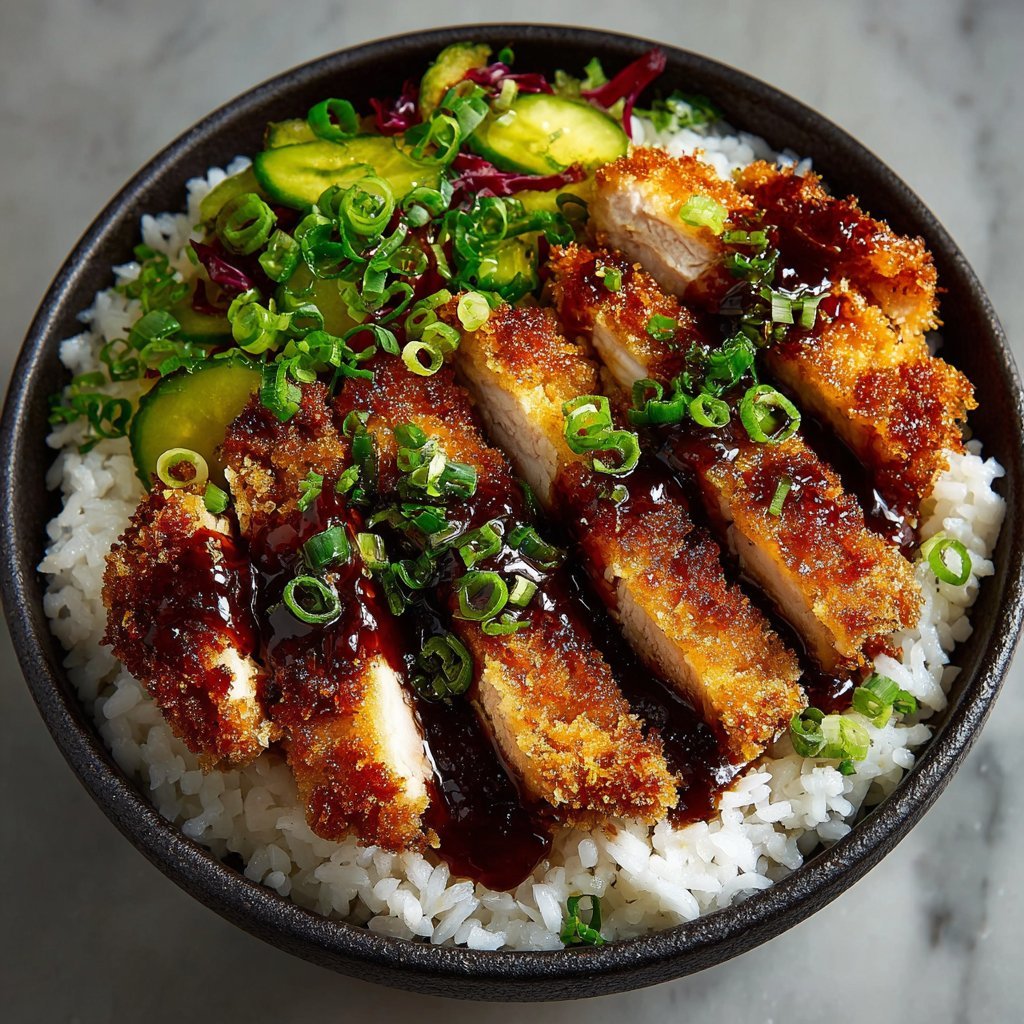
A crisp, golden cutlet on a bed of tender, slightly sticky short-grain rice with tangy tonkatsu sauce — it’s comfort with focus.
This recipe is scaled to serve five, but the technique is the real win: even home cooks can get restaurant-level crunch and depth of flavor without fuss.
Why You’ll Love This Recipe
- Crispy exterior: Panko breadcrumbs fry into a light, flaky crust that stays crunchy over rice.
- Tender interior: Pound the meat thin for even cooking and a juicy bite.
- Balanced flavors: Sweet-savory tonkatsu sauce cuts through the fried richness.
- Fast weeknight dinner: Once the rice is cooking, assembly moves quickly.
This bowl works because of contrasts — textural contrast between the airy panko crust and the soft rice, and flavor contrast between the salty fried cutlet and the slightly sweet, tangy sauce. The short-grain rice acts as both cushion and flavor carrier; it soaks up sauce while keeping each forkful cohesive. The result is satisfying without being cloying.
"Made this for a family of five and got unanimous praise — perfect crunch and the rice was spot-on. Even my picky eater asked for seconds!" — Reader review (5★)
Key Ingredients
Japanese short-grain rice
Short-grain rice is essential for the correct stickiness and mouthfeel. I use brands like Kokuho Rose or Nishiki for reliable texture, rinsing until water runs clear to remove excess starch.
Panko breadcrumbs
Panko give a featherlight, shattering crisp that regular breadcrumbs can’t match. Look for Japanese-style panko (often labeled "Japanese breadcrumbs") for bigger flakes and a dryer crumb that fries up loftier.
Boneless chicken breasts or pork cutlets
Either protein works; chicken gives a milder profile while pork has more fat and flavor. Slice into cutlets or pound to about 1/2 inch for even cooking and a tender bite.
Tonkatsu sauce (¼ cup)
Tonkatsu sauce is the finishing touch — a thick, fruity, umami-rich condiment. Brands like Bull-Dog are classic; you can also use a mix of ketchup, Worcestershire, and a dash of soy in a pinch.
Full ingredient list
- 1 cup Japanese short-grain rice
- 2 cups water
- 2 boneless chicken breasts or pork cutlets
- Salt and pepper, to taste
- 1 cup all-purpose flour
- 2 large eggs
- 1 cup panko breadcrumbs
- Vegetable oil, for frying
- ¼ cup tonkatsu sauce (or your preferred sauce)
- Sliced green onions, for garnish
- Pickled vegetables, for serving (optional)
Step-by-Step Instructions
Step 1: Rinse and cook the rice
Rinse the short-grain rice under cold water until the water runs clear.
This removes excess surface starch to prevent gummy rice.
In a rice cooker or pot, combine the rinsed rice and 2 cups water.
If using a pot bring to a boil, then reduce heat to low, cover and simmer for about 15 minutes.
Remove from heat and let rest, covered, for 10 minutes to finish steaming.
Pro Tip: You’ll know the rice is ready when the grains are tender but still hold their shape and the bottom has a slight glossy sheen.
Step 2: Prepare and season the meat
While the rice cooks, pound the chicken breasts or pork cutlets to an even thickness.
Season both sides generously with salt and pepper.
Even thickness ensures the cutlets cook through without drying out.
Pro Tip: Use a plastic bag or parchment between the meat and mallet to keep things tidy. Aim for about 1/2 inch thickness.
Step 3: Set up the breading station
Prepare three shallow dishes — one with all-purpose flour, one with beaten eggs, and one with panko breadcrumbs.
Dredge each cutlet first in flour, then into the egg, then press into panko until well coated.
Pressing the panko firmly into the egg coat helps the crumbs adhere and yields an even crust.
Pro Tip: Keep your panko dry; if it seems damp, spread on a tray and toast very briefly in a 350°F oven to revive crunch.
Step 4: Fry the katsu
Heat about ½ inch of vegetable oil in a large skillet over medium heat.
Test the oil by dropping in a breadcrumb — it should sizzle and rise to the surface immediately.
Carefully add the breaded cutlets and fry for about 4–5 minutes per side until golden brown and cooked through.
Transfer to a paper towel-lined plate to drain.
Pro Tip: Maintain oil temperature around 325–350°F. If the crust browns too quickly, lower the heat to allow the center to cook without burning the panko.
Step 5: Slice and assemble
Once the katsu is cool enough to handle, slice it into strips against the grain.
Serve cooked rice in bowls, top with sliced katsu, and drizzle with ¼ cup tonkatsu sauce.
Garnish with sliced green onions and serve pickled vegetables on the side if desired.
Pro Tip: Slice just before serving to preserve crispness. The sauce should be added sparingly or served at the table to avoid soggy crust.
Expert Tips for Success
- Temperature control is everything. Keep oil between 325–350°F for a golden crust without overcooking the interior. Use a thermometer for accuracy.
- Dry your panko. Moist crumbs steam instead of crisping. If panko absorbs humidity, spread on a baking sheet and toast for 5–8 minutes at 350°F.
- Pound meat evenly. Use a kitchen mallet or rolling pin and a plastic sleeve to get consistent thickness; this prevents the edges from drying before the center cooks.
- Let the rice rest. A 10-minute off-heat rest allows steam to finish cooking the grains and firms the rice slightly so it holds up under sauced katsu.
- Press the breading firmly. After egg wash, press panko into the meat with your palms — this prevents gaps and ensures a uniform crust.
- Use a shallow oil depth. About ½ inch of oil gives even contact with the cutlet and is easier to manage than deep-frying, reducing splatter and oil use.
- Fry in batches. Overcrowding the pan drops oil temperature and yields soggy breading. Keep cooked pieces on a rack rather than paper towels to maintain airflow and crispness.
- Rest cutlets briefly before slicing. Cutting too hot can tear the crust; a 2–3 minute rest firms the breading for cleaner slices.
- Sauce technique: Drizzle sauce just before serving or serve on the side so diners can control saturation and preserve crunch.
- Equipment tip: A cast-iron or heavy-bottomed skillet holds heat better than thin pans, giving a more consistent fry.
Storage & Freezing
Fridge storage: Cool katsu completely before storing.
Place cutlets in an airtight container with a paper towel to absorb excess moisture.
Store rice separately for up to 3 days.
Reheat in a 375°F oven or toaster oven for best texture — 8–10 minutes usually restores crispness.
Freezer storage: Freeze individual cutlets flat on a tray until solid, then transfer to a freezer bag.
Store for up to 2 months.
To reheat from frozen, bake at 375°F for 20–25 minutes, turning once, until internal temperature reaches 165°F and crust is crisp.
Reheating rice: Sprinkle a little water over leftover rice and cover tightly before microwaving.
For best texture, steam gently in a covered skillet with a splash of water over low heat.
Variations & Substitutions
Tofu katsu (vegetarian): Press extra-firm tofu to remove moisture, slice into thick slabs, and follow the same breading and frying steps.
Try a vegan version inspired by other cooks for a perfect plant-based swap.
Alternate coatings: Mix panko with ground sesame seeds or crushed cornflakes for a nutty or extra-crunchy crust.
Fish katsu: Use firm white fish fillets and reduce frying time to avoid overcooking.
Sauce swaps: Replace tonkatsu sauce with a mix of ketchup, Worcestershire, soy, and a touch of sugar for a quick homemade version.
Add sriracha or chili oil for a spicy kick.
Grain swaps: Short-grain rice is ideal, but for lower-carb bowls, serve sliced katsu over steamed vegetables or cauliflower rice.
Frequently Asked Questions
Q: Can I make katsu without a deep fryer?
A: Yes. A heavy skillet with about ½ inch of oil works excellently. It’s easier to control temperature and uses less oil. Keep an eye on oil heat and fry in small batches.
Q: How do I prevent the panko from falling off?
A: Dry the panko and press it firmly into the meat after the egg wash. Let the breaded pieces sit 5–10 minutes before frying to allow the coating to adhere.
Q: Is tonkatsu sauce necessary?
A: Tonkatsu sauce provides a classic sweet-savory finish, but you can substitute a blend of ketchup, Worcestershire sauce, and a splash of soy if you don’t have it on hand.
Q: Can I bake the katsu instead of frying?
A: Yes. Brush or spray with oil and bake at 425°F for 12–18 minutes, flipping halfway. The crust will be less shattering than fried panko, but still tasty.
Q: How do I scale this for more people?
A: Keep the rice-to-water ratio the same (1:2) and bread and fry in batches. You can hold finished cutlets on a wire rack in a low oven (200°F) for up to 20 minutes without losing much crispness.
Final Thoughts
This Japanese Katsu Bowl hits the trifecta of texture, flavor, and ease.
With a few technique notes — consistent thickness, dry panko, and careful oil temp — you’ll get restaurant-quality results at home.
Please leave a star rating in the recipe card below and pin this recipe to Pinterest if you enjoyed it.
Conclusion
For plant-based inspiration that follows the same crunchy logic, check out this Vegan Tofu Katsu Bowls – Rabbit and Wolves recipe.
If you want a deeper cultural and regional look at tonkatsu while you perfect your sauce pairing, read this Tokyo guide: Part 5 Tonkatsu – Notorious Foodie.
For broader Japanese recipe techniques and ideas to expand your weeknight repertoire, see Marion Grasby’s best Japanese recipes | Marion’s Kitchen.
And if you’re comparing styles, this Chicken Katsu Don – Chicken Cutlet Rice Bowl – Tiffy Cooks shows a classic donburi approach worth trying next.
Japanese Katsu Bowl
Ingredients
For the katsu
- 2 pieces boneless chicken breasts or pork cutlets Pound to about 1/2 inch thickness for even cooking.
- 1 cup all-purpose flour
- 2 large eggs Beaten.
- 1 cup panko breadcrumbs Use Japanese-style panko for best results.
- ½ inch vegetable oil For frying.
- ¼ cup tonkatsu sauce Or your preferred sauce.
- to taste salt and pepper For seasoning.
For the rice
- 1 cup Japanese short-grain rice Rinsed until water runs clear.
- 2 cups water
For garnish
- to taste sliced green onions
- to taste pickled vegetables Optional, for serving.
Instructions
Preparation of Rice
- Rinse the short-grain rice under cold water until the water runs clear to remove excess starch.
- In a rice cooker or pot, combine the rinsed rice and 2 cups water.
- If using a pot, bring to a boil, then reduce heat to low, cover, and simmer for about 15 minutes.
- Remove from heat and let rest, covered, for 10 minutes to finish steaming.
Preparing the Meat
- While the rice cooks, pound the chicken breasts or pork cutlets to an even thickness.
- Season both sides generously with salt and pepper.
Breading the Cutlets
- Prepare three shallow dishes: one with flour, one with beaten eggs, and one with panko breadcrumbs.
- Dredge each cutlet first in flour, then into the egg, and finally press into panko until well coated.
Frying the Katsu
- Heat about ½ inch of vegetable oil in a large skillet over medium heat.
- Carefully add the breaded cutlets and fry for about 4–5 minutes per side until golden brown and cooked through.
- Transfer to a paper towel-lined plate to drain.
Assembly
- Once the katsu is cool enough to handle, slice it into strips against the grain.
- Serve cooked rice in bowls, top with sliced katsu, and drizzle with tonkatsu sauce.
- Garnish with sliced green onions and serve pickled vegetables on the side if desired.