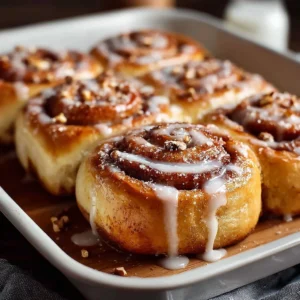

The first time I made these croissants I underestimated the patience required and overestimated my rolling arm.
They still came out flaky, buttery, and impossibly layered, and I haven’t looked back.
If you’re looking for a bakery-worthy croissant you can make at home, this step-by-step recipe simplifies the technique without sacrificing the classic texture.
This recipe is a winner because it balances hands-on technique with predictable steps.
It uses simple pantry ingredients and a reliable folding method to build distinct layers.
Few things beat the smell of butter and warm pastry filling the kitchen on a weekend morning.
Why You’ll Love This Recipe
- Real laminated dough: Layers of cold butter and stretchable dough create the classic flake.
- Manageable time commitment: You can break the process across a day for easier pacing.
- Simple, pantry-forward ingredients that yield a professional result.
- Flexible: freeze the dough or bake fresh; both work beautifully.
The texture is the point here: a crisp, golden exterior gives way to airy, honeycombed layers inside.
The taste is richly buttery with just enough sweetness to let you add jam or keep them plain.
When baked properly, the crumb peels back in translucent sheets that show off the lamination.
“I made these for guests and they thought I bought them from a patisserie. The layers were unbelievable.” — Sarah L., reader
Key Ingredients
Unsalted butter (3 sticks / 1 1/2 cups), cold: Butter is the laminating fat and the star of flavor.
Use high-quality European-style butter if you want a deeper butter note and slightly less water content.
Keep it cold so it stays in a slab for rolling; the temperature contrast between dough and butter is what creates the lift.
All-purpose flour (4 cups): This dough needs enough gluten to trap steam and form layers, and all-purpose gives a balanced protein level.
If you prefer a slightly chewier interior, blend in 1/2 cup bread flour.
Measure by weight when possible for consistent results.
Instant yeast (1 tablespoon): Instant yeast works quickly and reliably without proofing.
It gives a predictable rise during dough rest and final proof.
If using active dry yeast, dissolve it in a small amount of warm milk first and use the same amount by weight.
Whole milk (1 1/4 cups), warm: Milk adds tenderness and richness that water won’t.
Warm the milk to about 95–105°F (35–40°C) to help the yeast wake up without killing it.
If you need dairy-free, substitute a full-fat plant milk, but the flavor will be different.
Full ingredients list:
- 4 cups all-purpose flour
- 1/4 cup granulated sugar
- 1 tablespoon salt
- 1 tablespoon instant yeast
- 1 1/4 cups whole milk, warm
- 3 sticks (1 1/2 cups) unsalted butter, cold
- 1 egg (for egg wash)
Step-by-Step Instructions
Step 1: Mixing the dough
In a large bowl combine the flour, sugar, salt, and instant yeast.
Gradually add the warm whole milk while stirring until a shaggy dough forms.
The dough should be cohesive but not sticky; add a dusting of flour if it clings excessively.
Pro Tip: The milk should feel warm to the wrist, not hot. You’ll know it’s right when the mixture forms a ball but still looks slightly rough.
Step 2: Kneading and first rest
Turn the dough onto a lightly floured surface and knead for about 5 minutes until smooth and elastic.
Shape it into a tight ball, cover with plastic or a damp towel, and let it rest at room temperature for about 1 hour.
You want it to roughly double in size for good flavor and elasticity.
Pro Tip: Press a finger into the dough; if the indentation springs back slowly, it’s ready for the next step.
Step 3: Enclosing the butter
Roll the rested dough into a rectangle large enough to fold over the slab of cold butter.
Place the cold butter (flattened into a rectangle) in the center and fold the dough over it like an envelope.
Seal the edges so the butter is completely enclosed and roll gently into a rectangle again.
Pro Tip: If the butter begins to soften or the dough gets warm, pop it in the fridge for 10–15 minutes before continuing.
Step 4: First fold and chill
Fold the dough into thirds like a business letter (this is the first “turn”).
Wrap the dough and refrigerate for 30 minutes to let the butter firm up and to relax the gluten.
Chilling prevents butter smear and keeps distinct layers.
Pro Tip: The dough should feel cool to the touch; if it’s warm, extend the chill time.
Step 5: Repeat rolling and folding
Remove from the fridge, roll to a rectangle again, and fold into thirds.
Repeat this rolling and folding two more times in total, chilling for about 30 minutes between each turn.
This builds multiple layers: three turns will create enough laminations for the classic croissant structure.
Pro Tip: Use a light dusting of flour to prevent sticking, but avoid adding too much—excess flour will dull the layers.
Step 6: Shaping croissants
After the final chill, roll the dough into a large rectangle and trim the edges so they are straight.
Cut the dough into triangles (base about 3–4 inches) and roll each triangle up from the base toward the tip to form croissants.
Place them on a lined baking sheet with enough space to rise and expand.
Pro Tip: For a tighter roll, slightly stretch the base of each triangle before rolling; this helps the tip tuck under.
Step 7: Final proof
Cover the shaped croissants loosely with plastic or a damp towel and let them rise for about 1 hour until puffy.
They shouldn’t completely double, but they should look noticeably softer and pillowy.
This final proof is when the layers relax and the butter softens just enough for oven spring.
Pro Tip: A warm, draft-free spot is ideal; I use an oven with the light on or a proofing drawer if I have one.
Step 8: Bake
Preheat the oven to 400°F (200°C).
Brush the croissants gently with beaten egg to get that glossy, golden finish.
Bake for 15–20 minutes until deeply golden and crisp on the outside.
Pro Tip: Watch the color more than the clock—the oven spring finishes quickly and a little extra color means more flavor.

Expert Tips for Success
-
Temperature control matters: Keep your butter and dough cold.
If the butter melts into the dough, you’ll get a greasy loaf rather than distinct layers. -
Use a scale: Measuring by weight (flour and butter especially) makes results repeatable.
Four cups of flour can vary widely; aim for roughly 500–520 grams for consistency. -
Choose the right butter: European-style butters (82–85% fat) produce a richer flavor and less moisture.
Avoid margarine or spreads—real butter is essential for texture and taste. -
Don’t over-flour during rolling: A little dusting helps, but too much flour will interfere with layer adhesion.
If the dough is sticky, chill it instead of adding large amounts of extra flour. -
Rest between turns: Chilling relaxes gluten and re-firms butter.
Skipping chills leads to tearing and butter smear, which kills lift. -
Egg wash timing: Apply egg wash right before baking, not during proofing.
Applying it early can deflate the croissants or prevent proper expansion. -
Oven steam alternatives: For a crisp outer shell, place a small tray of hot water in the oven for the first 2–3 minutes.
Or spray the oven walls quickly with water right after placing the tray to create steam. -
Troubleshooting collapsed croissants: If croissants deflate after baking, the butter was too soft or your layers merged.
Next batch, chill longer and ensure your folds are tight. -
Timing strategy: You can do the dough and first two turns the day before and finish shaping and baking the next morning.
This splits the labor and improves flavor.
Storage & Freezing
Fridge: Store baked croissants at room temperature in a paper bag for up to 24 hours to preserve crispness.
For longer freshness, refrigerate in an airtight container up to 3 days, but the exterior will soften.
To re-crisp, warm in a 350°F (175°C) oven for 5–8 minutes.
Freezer — dough: After shaping, place unbaked croissants on a baking sheet and freeze until solid.
Transfer to a zip-top bag and freeze for up to 1 month.
To bake, thaw in the refrigerator overnight, then proof at room temperature until puffy before egg washing and baking.
Freezer — baked: Freeze fully baked croissants in a single layer until solid, then store in an airtight bag for up to 2 months.
Reheat from frozen in a 350°F (175°C) oven for 10–15 minutes until warm and crisp.
Reheating tips: Avoid the microwave for reheating—microwaves make croissants chewy.
For best results, reheat in a preheated oven at 325–350°F (160–175°C) for 8–12 minutes.
Variations & Substitutions
Almond or chocolate: Before rolling, place a thin line of almond paste or a strip of dark chocolate near the base of each triangle.
Roll tightly and bake. These additions pair perfectly with the buttery lamination.
Savory filled croissants: Add thin slices of ham and Gruyère or a smear of pesto and grated cheese before rolling.
Reduce added moisture to avoid soggy pockets.
Dairy-free option: Use a high-quality plant-based butter with a high fat content and full-fat plant milk.
Expect flavor differences; the technique is the same but results will be slightly softer.
Partial whole-grain swap: Replace up to 25% of the all-purpose flour with whole wheat pastry flour for nuttier flavor.
Keep added water a touch higher if the dough feels dry; whole grain absorbs more liquid.
Frequently Asked Questions
Q: How long should I proof croissants before baking?
A: Proofing time varies by temperature. Typically about 1 hour at room temperature until noticeably puffy.
Warmer kitchens will shorten proofing and cooler rooms will lengthen it. Look for a gentle wobble when nudged.
Q: Can I use frozen butter or should it be just cold?
A: Butter should be cold but pliable. Freezing solid makes it hard to flatten for the butter slab.
If it gets too soft during handling, chill briefly. The goal is a firm, not frozen, butter block.
Q: Why are my croissants dense instead of airy?
A: Dense croissants often mean underdeveloped steam pockets, too much flour, or limited lamination.
Ensure your folds are clean, chills are adequate, and the oven is hot enough for oven spring.
Q: Can I make the dough in a stand mixer?
A: Yes. Use the dough hook on low speed and stop as soon as the dough becomes smooth and elastic.
Overmixing develops too much gluten and can make the final texture tough.
Q: What’s the best way to get an even golden crust?
A: Use an even egg wash (one beaten egg, maybe a teaspoon of water).
Brush carefully, avoid pooling, and rotate the tray halfway through baking if your oven browns unevenly.
Final Thoughts
Making croissants at home rewards patience with buttery, layered pastry that outshines many store-bought options.
Take your time with the turns, keep everything cool, and you’ll be rewarded with dramatic oven spring and crisp, flaky layers.
Please leave a star rating in the recipe card below and pin this recipe to Pinterest if you enjoyed it.
Conclusion
For additional step-by-step photos and a slightly different technique comparison, I also referenced a detailed guide from this step-by-step recipe at The Flavor Bender.
If you want another home baker’s take with helpful photos and tips, check out this Homemade Croissants guide from La Cuisine de Géraldine.

Croissants
Ingredients
Dough Ingredients
- 4 cups all-purpose flour Can blend in 1/2 cup bread flour for a chewier interior.
- 1/4 cup granulated sugar
- 1 tablespoon salt
- 1 tablespoon instant yeast Works quickly without proofing.
- 1 1/4 cups whole milk, warm Warm to about 95–105°F (35–40°C) to activate yeast.
Lamination Ingredients
- 3 sticks 1 1/2 cups unsalted butter, cold Use high-quality European-style butter for best results.
- 1 egg for egg wash For a glossy finish.
Instructions
Mixing the Dough
- In a large bowl combine the flour, sugar, salt, and instant yeast.
- Gradually add the warm whole milk while stirring until a shaggy dough forms.
- The dough should be cohesive but not sticky; dust with flour if clinging.
Kneading and First Rest
- Turn the dough onto a floured surface and knead for about 5 minutes until smooth and elastic.
- Shape into a ball, cover, and let rest at room temperature for about 1 hour.
Enclosing the Butter
- Roll the rested dough into a rectangle large enough to fold over the slab of cold butter.
- Place the cold butter in the center and fold the dough over it like an envelope.
- Seal the edges and roll into a rectangle again.
First Fold and Chill
- Fold the dough into thirds like a business letter (first 'turn').
- Wrap and refrigerate for 30 minutes.
Repeat Rolling and Folding
- Repeat rolling and folding two more times, chilling for 30 minutes between each turn.
Shaping Croissants
- After the final chill, roll the dough into a large rectangle and cut into triangles.
- Roll each triangle from the base to the tip to form croissants.
- Place on a lined baking sheet with space to rise.
Final Proof
- Cover croissants loosely and let rise for about 1 hour until puffy.
Bake
- Preheat the oven to 400°F (200°C).
- Brush croissants with beaten egg and bake for 15–20 minutes until golden.