

The first time I made this cottage cheese flatbread I was stunned by how simple pantry staples turned into a soft, pillowy wrap in under 20 minutes.
It’s the kind of recipe you can pull together between errands and still end up with something that tastes homemade and intentional.
If you like quick breads that double as sandwiches, pizza bases, or impromptu flatbreads for dips, this one earns a permanent spot in your rotation.
For a light breakfast pairing, try the avocado cottage cheese smoothie alongside your warm flatbread.
Why You’ll Love This Recipe
- Ready with just a handful of kitchen staples.
- No yeast, no long rises—perfect for fast weeknight dinners.
- Versatile: use them for wraps, flat pizzas, or alongside soups.
- Tender crumb with crisp edges when pan-seared properly.
- Mild tang from the cottage cheese adds depth without overpowering fillings.
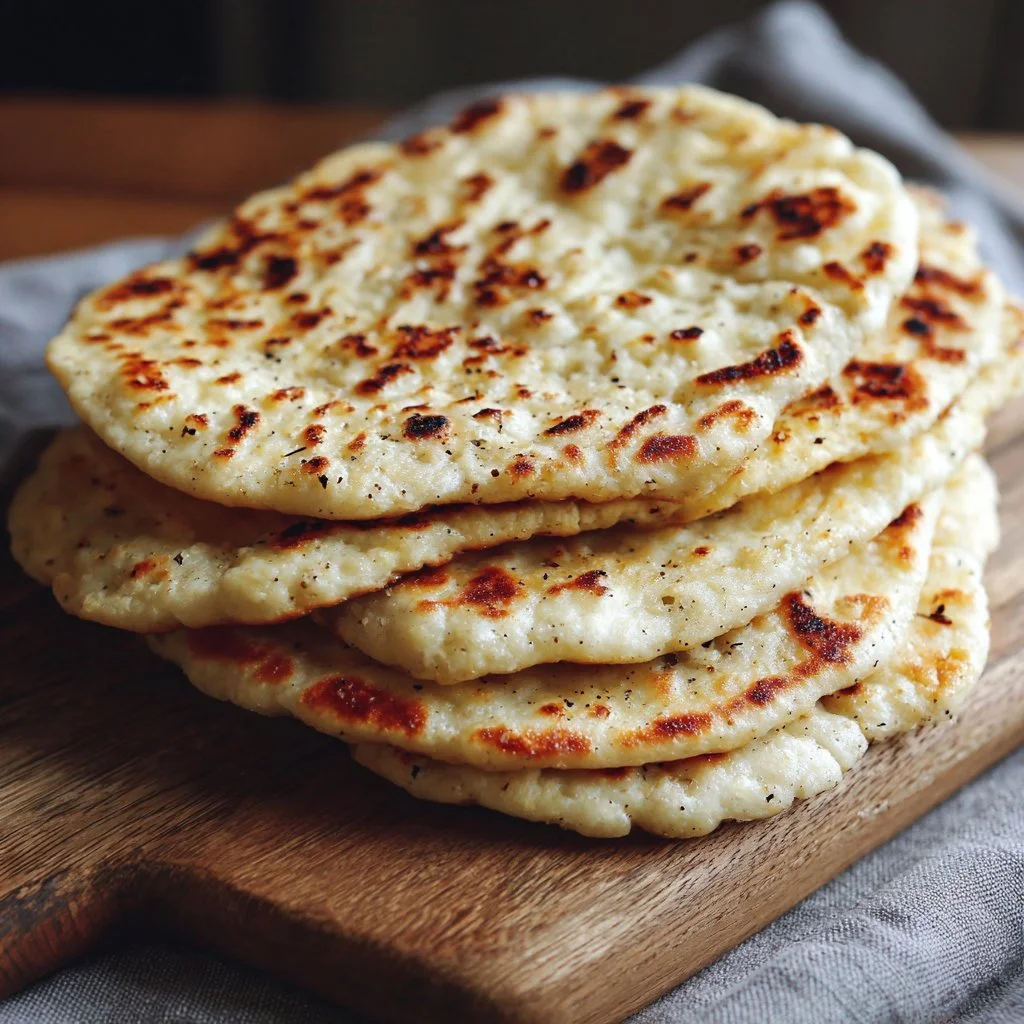
The texture is a pleasant balance: tender and slightly chewy on the inside with golden, crisp edges from a hot skillet.
The cottage cheese hydrates the flour so you get a soft crumb without heavy kneading or long fermentation.
When you cook them quickly on medium heat, the outside caramelizes and the inside stays pillowy, which makes them ideal for folding around fillings or tearing into pieces for dips.
“I doubled the recipe for a family lunch and they disappeared faster than my promised leftovers. Simple, reliable, and delicious.” — A satisfied reader, 5★
Key Ingredients
Cottage cheese (1 cup)
Cottage cheese is the engine of this dough. It provides moisture, mild tang, and protein, which tenderizes the gluten so the flatbreads stay soft. Use full-fat cottage cheese for richer flavor and better texture; if you want a smoother dough, briefly blitz it in a food processor.
All-purpose flour (2 cups)
All-purpose flour gives the structure and chew. It’s versatile and predictable for this recipe. If you like a slightly more rustic bite, try swapping up to half with whole wheat pastry flour, but keep hydration in mind.
Baking powder (1 teaspoon)
Baking powder gives lift and lightness without yeast. It’s what creates a gentler rise and a softer interior. Make sure it’s fresh—old baking powder can lead to flatter, denser flatbreads.
Olive oil (2 tablespoons)
Olive oil enriches the dough and helps with browning in the skillet. Use a good extra-virgin olive oil for flavor; a neutral oil will work but won’t add the same aromatic notes.
Full ingredient list:
- 1 cup cottage cheese
- 2 cups all-purpose flour
- 1 teaspoon baking powder
- 1/2 teaspoon salt
- 2 tablespoons olive oil
- Water as needed
Step-by-Step Instructions
Step 1: Combine the dry and wet ingredients
In a mixing bowl, add the cottage cheese, flour, baking powder, and salt.
Stir gently until the initial clumps of cottage cheese begin to break down into the flour.
Pro tip: You’ll know it’s blending well when the mixture looks shaggy but unified with no large dry pockets.
Step 2: Add the olive oil and form the dough
Pour in the olive oil and mix with a spoon or your hands until a soft dough forms.
If it feels too crumbly, add water a tablespoon at a time until it comes together.
Pro tip: The dough should be slightly tacky but not sticky; aim for a soft ball that holds its shape.
Step 3: Knead briefly
Turn the dough out onto a lightly floured surface and knead for a few minutes until smooth.
You’re not developing bread-level gluten here—just bringing the dough together.
Pro tip: Knead for about 2–4 minutes. Over-kneading will make the flatbreads tougher.
Step 4: Divide and shape
Divide the dough into equal pieces—six to eight makes good sandwich-size flatbreads.
Roll each piece into a flat round, dusting lightly with flour if it sticks.
Pro tip: If the rounds puff too much while rolling, let them rest covered for 5 minutes to relax the gluten.
Step 5: Pan-cook until golden
Heat a skillet over medium heat and cook each flatbread for about 2–3 minutes per side, until golden brown spots appear.
Adjust the heat as needed so they brown without burning.
Pro tip: A drop of water should sizzle and evaporate on the pan surface; that’s the right temperature.
Step 6: Serve warm
Stack them in a clean tea towel to keep warm and soft while you finish the batch.
Serve as wraps, sandwiches, or a side to soups and salads.
Pro tip: For crispier edges, finish briefly over medium-high heat for 20–30 seconds per side.
Expert Tips for Success
- Temperature control matters. Cook on medium heat and avoid extreme high temperatures that brown the outside before the center cooks. Aim for a pan surface that sizzles gently when you drop a small piece of dough.
- Use the right cottage cheese. Full-fat or 4% cottage cheese gives the best texture and flavor. If your cottage cheese is very wet, drain briefly in a fine mesh sieve or press between paper towels. If you want an ultra-smooth dough, pulse the cottage cheese in a food processor for 10–15 seconds.
- Flour measurement technique. Spoon and level your flour rather than scooping with the cup to avoid dense dough. If your environment is humid, you might need a tablespoon more flour; if it’s dry, add a splash of water.
- Resting helps. Letting the prepared rounds rest for 5–10 minutes relaxes the gluten and reduces spring-back when rolling. This makes shaping easier and prevents shrinkage during cooking.
- Pan choice affects outcome. A heavy-bottomed cast-iron or stainless steel skillet gives even heat and the best browning. Nonstick works fine for beginners but won’t develop the same golden crust.
- Troubleshooting cracks and dryness. If the dough cracks when rolling, it’s too dry. Add water, a teaspoon at a time. If flatbreads are too dense after cooking, your baking powder may be old—replace it and ensure you’re not overmixing.
- Make them ahead: Cooked flatbreads can be cooled, layered with parchment, and refrigerated for up to 3 days. Reheat in a warm pan or oven. This makes fast lunches simple.
- Pairings and serving ideas. For a breakfast twist, smear with ricotta and honey. For lunch, fill with grilled vegetables and tahini. For a refreshing side, serve with a simple cucumber salad or a spoonful of labneh. You might also enjoy this recipe alongside other cottage cheese breakfasts like the cottage cheese mango smoothie for a balanced morning meal.
Storage & Freezing
Fridge: Cool the flatbreads completely on a rack.
Stack them with parchment between layers to prevent sticking, and store in an airtight container or resealable bag for up to 3 days.
To reheat, warm in a skillet for 30–60 seconds per side or microwave for 15–20 seconds wrapped in a damp paper towel.
Freezer: For longer storage, layer the cooled flatbreads with parchment between each and place in a freezer-safe bag.
They keep well for up to 2 months.
Thaw overnight in the fridge or on the counter for an hour.
Reheating from frozen: Heat a dry skillet over low-medium heat and warm the flatbread for 1–2 minutes per side.
If you prefer a softer result, wrap in foil and heat in a 350°F (175°C) oven for 8–10 minutes.
Variations & Substitutions
- Herb and garlic flatbread: Add 1–2 teaspoons dried oregano or a tablespoon chopped fresh parsley and one minced garlic clove to the dough for bright flavor.
- Gluten-free option: Swap the all-purpose flour for a 1:1 gluten-free baking blend, but add an extra tablespoon of liquid because many blends absorb more moisture.
- Cheesy flatbread: Fold in 1/2 cup grated Parmesan or cheddar into the dough for a richer, savory loaf that toasts beautifully.
- Lighter swap: Use low-fat cottage cheese if you want to reduce calories, but be prepared for a slightly less tender texture and possibly add a splash more olive oil.
For inspiration on fresh pairings, try this tangy cottage cheese avocado toast as a topping idea for torn pieces of flatbread.
Frequently Asked Questions
Is cottage cheese flatbread the same as ricotta flatbread?
They are similar in concept but differ in texture and moisture.
Cottage cheese has curds and a slightly tangier profile, which influences dough hydration.
Ricotta is smoother and often creates an even more tender crumb.
If substituting ricotta, reduce added water slightly because ricotta can be looser.
Can I make this without olive oil?
Yes, you can omit the olive oil and substitute with a neutral oil like avocado or grapeseed.
The oil adds richness and helps with browning, so flatbreads may be less flavorful without it.
You can also brush finished flatbreads with a little melted butter or oil for extra shine and taste.
Why did my flatbread turn out dense?
Dense flatbreads usually mean one of three things: old baking powder, overworked dough, or incorrect flour measurement.
Check the baking powder date and measure flour by spooning into the cup.
Knead only briefly and avoid packing the dough too firmly.
Can I make the dough ahead of time?
Yes. You can mix the dough and keep it refrigerated, covered, for up to 24 hours.
Bring it to room temperature for 20–30 minutes before rolling and cooking.
A short rest actually improves flavor and rollability.
Are these flatbreads good for wraps?
Absolutely. They are pliable and sturdy enough to hold fillings if not overstuffed.
For very wet fillings, toast both sides a little longer to create a firmer barrier against sogginess.
Final Thoughts
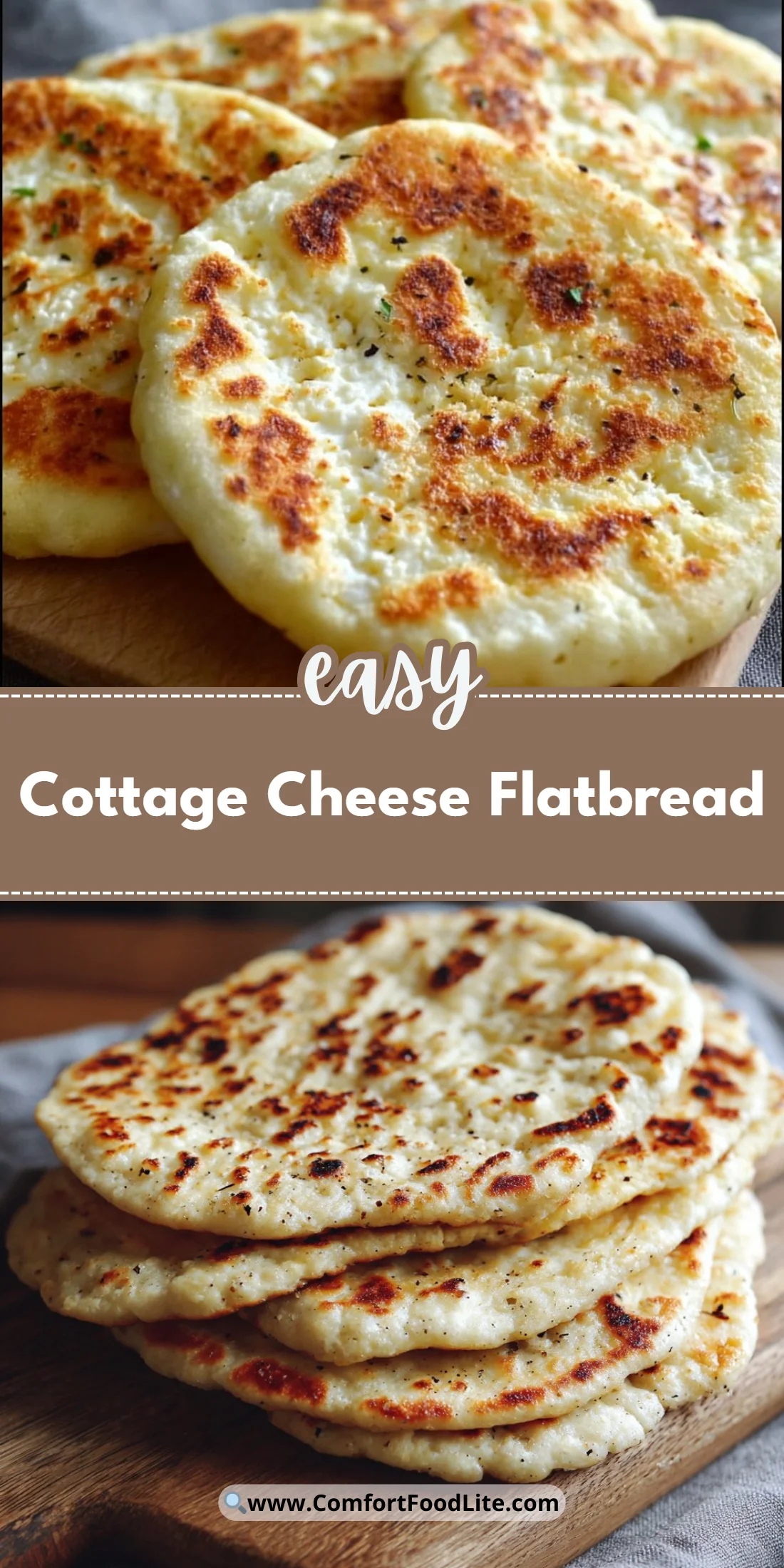
This cottage cheese flatbread recipe is an easy, reliable shortcut to fresh homemade flatbreads using ingredients you likely have on hand.
It’s flexible enough to dress up for company or keep simple for weekday meals—either way, you’ll appreciate how little time it asks of you.
Please leave a star rating in the recipe card below and pin this to your Pinterest board so friends can find it too.
Conclusion
For a quick reference and an alternate take, I found a clear variation at Cottage Cheese Flatbread Recipe – The Protein Chef that highlights texture tweaks.
If you want to see a viral version and learn how others have adapted this dough, check out Viral Cottage Cheese Flatbread Recipe | Andy’s East Coast Kitchen.

Cottage Cheese Flatbread
Ingredients
For the Dough
- 1 cup cottage cheese Use full-fat for the best flavor and texture.
- 2 cups all-purpose flour Can substitute half with whole wheat pastry flour for a rustic bite.
- 1 teaspoon baking powder Ensure it’s fresh for the best rise.
- 1/2 teaspoon salt Enhances flavor.
- 2 tablespoons olive oil Use extra-virgin for better flavor.
- as needed water water Add gradually if dough feels too crumbly.
Instructions
Preparation
- In a mixing bowl, add the cottage cheese, flour, baking powder, and salt. Stir gently until the mixture looks shaggy but unified with no large dry pockets.
- Pour in the olive oil and mix until a soft dough forms, adding water tablespoon by tablespoon as necessary.
- Turn the dough onto a lightly floured surface and knead briefly, about 2-4 minutes, until smooth.
- Divide the dough into 6-8 equal pieces and roll each into a flat round, dusting with flour if necessary.
- Heat a skillet over medium heat and cook each flatbread for 2-3 minutes per side until golden brown spots appear.
- Stack the cooked flatbreads in a clean tea towel to keep them warm and soft until serving.