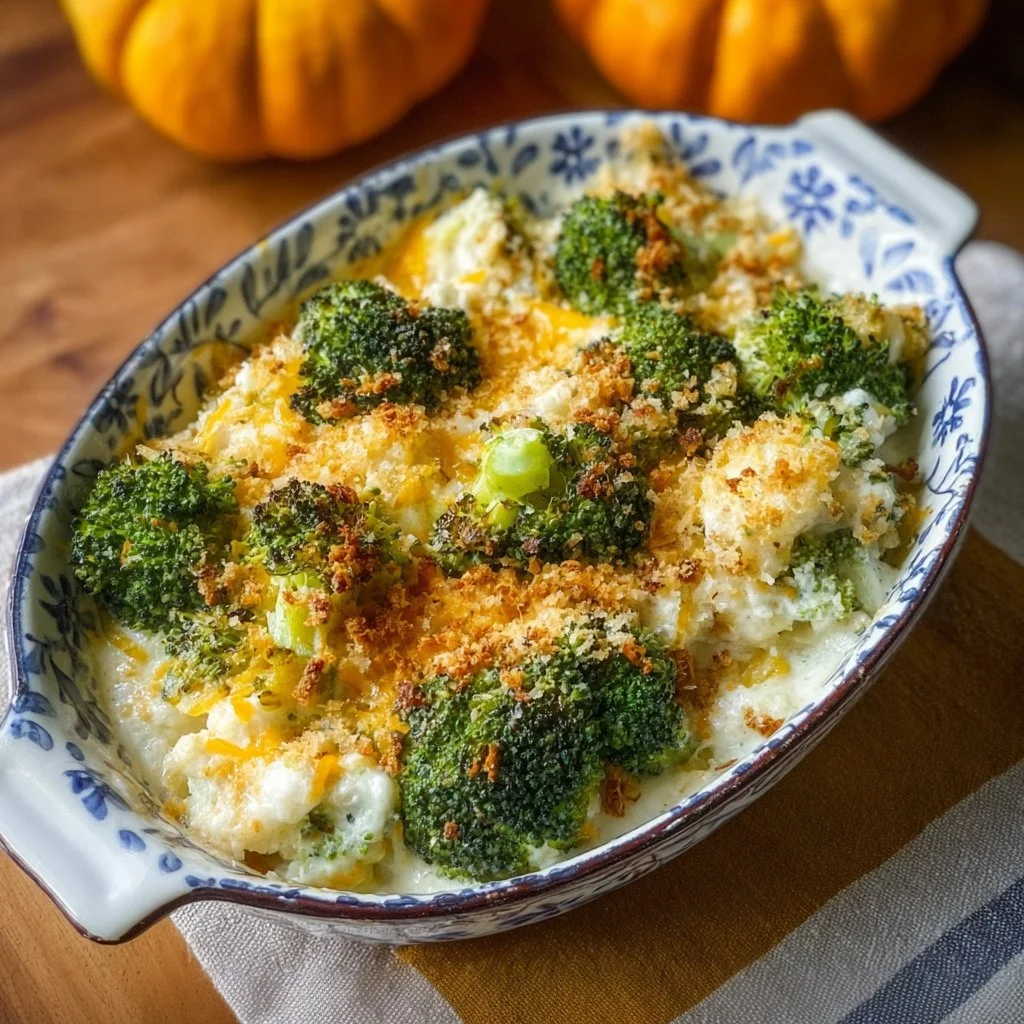
The first time I made this cottage cheese and broccoli casserole I was skeptical about cottage cheese as a binder.
It melted into a silky, tangy custard that kept the broccoli bright and the whole dish surprisingly light.
This is the kind of weeknight casserole that doubles as a comforting lunch, simple dinner, or potluck centerpiece.
If you like make-ahead meals or are trying to sneak more veggies into dinner, this recipe is a winner.
It’s forgiving, fast, and can be dressed up or pared down depending on what’s in your fridge.
For an easy brunch twist, I sometimes serve leftovers on toast—similar to my take on cottage cheese toast with avocado and hot honey.
Why You’ll Love This Recipe
- Creamy, tangy cottage cheese keeps the casserole light but satisfying.
- Broccoli stays tender and bright rather than mushy.
- A blend of cheddar and Parmesan gives a melty, savory top without overpowering the vegetables.
- Eggs and a splash of milk create a custard that sets cleanly and slices well.
- Breadcrumbs add optional crunch for texture contrast.
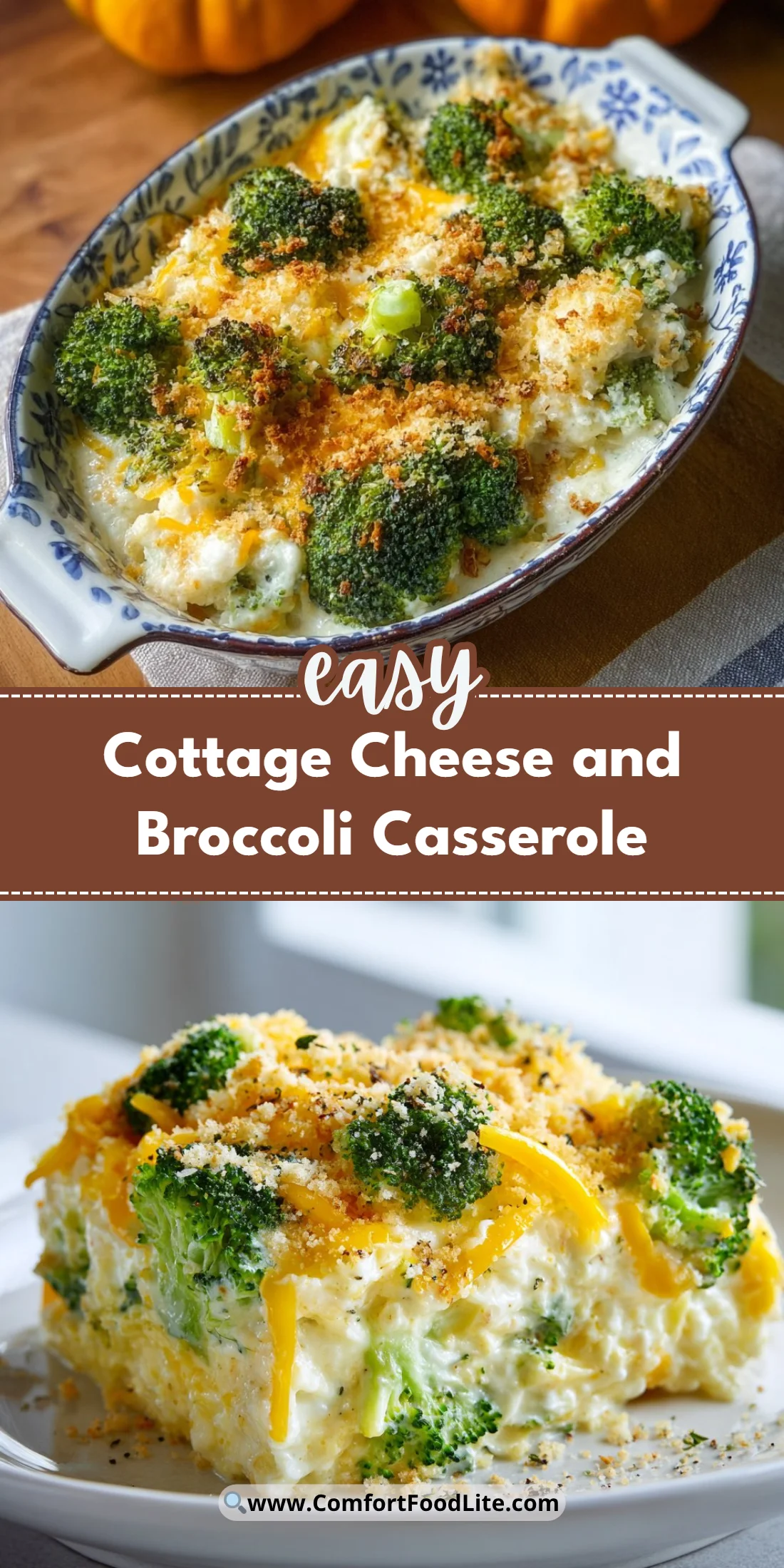
This casserole hits a pleasant balance between creamy and structured.
The cottage cheese breaks down in the oven to form a silky matrix that holds the florets in place.
Sharp cheddar contributes melted pockets of richness, while Parmesan adds an umami, slightly nutty finish.
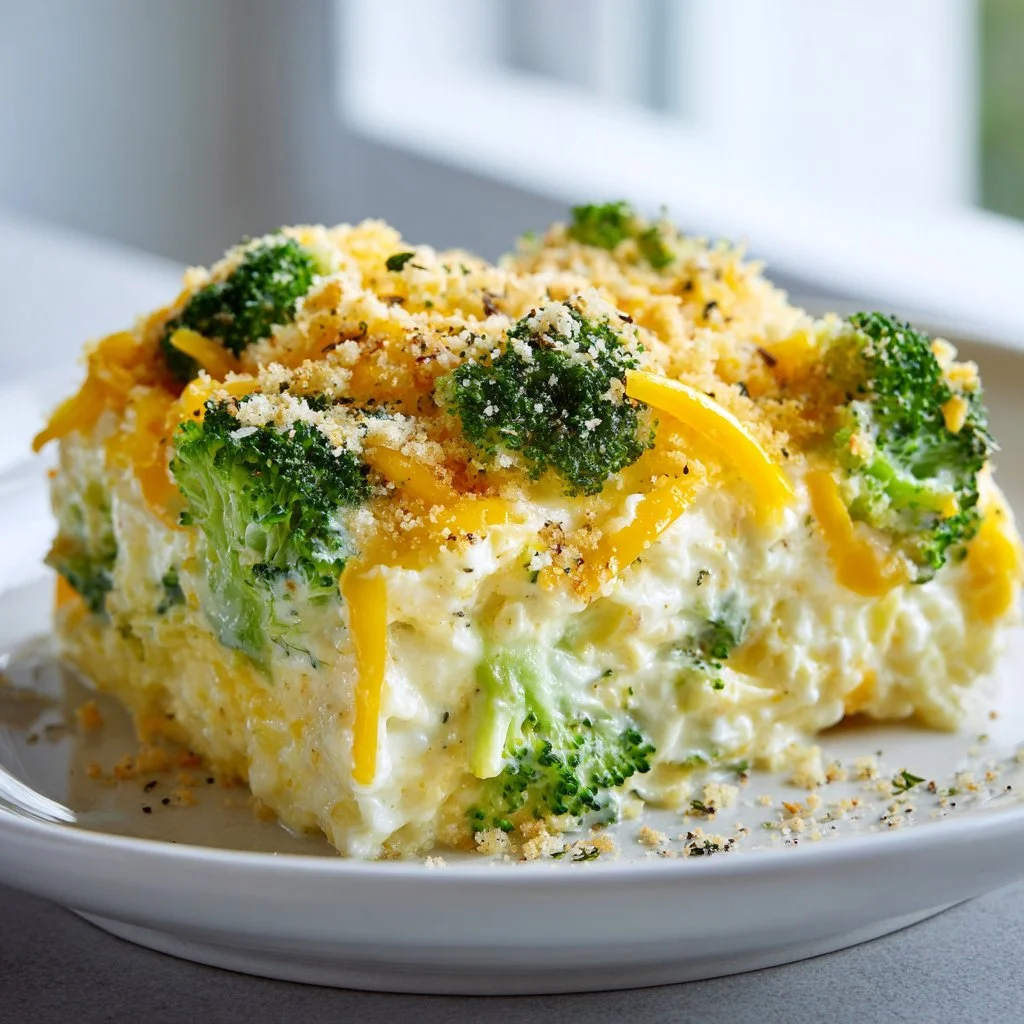
The result is a dish that is substantial but not heavy, with a pleasing contrast between tender broccoli and a golden surface.
"5 stars — Made this for a family dinner and everyone asked for seconds. Easy, light, and comforting. Will be in our rotation!" — Dana, reader
Key Ingredients
Broccoli florets (2 cups)
Broccoli is the backbone of this dish. Choose firm, bright-green florets and cut them into bite-sized pieces so they cook evenly. Fresh broccoli gives the best texture, but frozen (thawed and well-drained) works in a pinch.
Cottage cheese (2 cups)
Cottage cheese is the secret to a lighter custard that still feels indulgent. Small-curd cottage cheese blends more smoothly, so if you want an ultra-silky texture, use small-curd and give it a brief pulse in a blender or food processor.
Shredded cheddar cheese (1 cup)
Choose a medium-sharp cheddar for a balance of melty texture and tang. Pre-shredded cheese contains anti-caking agents that sometimes affect melt; if you can grate from a block, do so for creamier results.
Eggs (2) and milk (1/4 cup)
The eggs set the casserole and provide structure, while the milk loosens the mixture so it bakes into a custardy slice. Use whole eggs for richness; for a slightly lighter version, use one whole egg plus one egg white.
Full ingredient list:
- 2 cups broccoli florets
- 2 cups cottage cheese
- 1 cup shredded cheddar cheese
- 1/2 cup grated Parmesan cheese
- 2 eggs
- 1/4 cup milk
- 1 teaspoon garlic powder
- 1 teaspoon onion powder
- Salt and pepper to taste
- 1 cup breadcrumbs (optional for topping)
Step-by-Step Instructions
Step 1: Preheat the oven
Preheat your oven to 350°F (175°C).
Grease a 9×9-inch baking dish or a similar-sized casserole pan so the edges don’t stick.
Pro tip: If your oven runs hot or cold, use an oven thermometer to confirm 350°F.
You’ll know it’s ready when the oven reaches a steady temperature; this helps the casserole set evenly.
Step 2: Steam the broccoli
Steam the broccoli florets until tender, about 5 minutes.
You want them fork-tender but still bright green; overcooking will make the casserole soggy.
Pro tip: Transfer steamed broccoli to an ice bath for 30 seconds to lock in color if you’re prepping ahead.
You’ll know they’re perfect when a fork slides in easily but the stem still has a little resistance.
Step 3: Make the cottage-cheese custard
In a large bowl, mix together the cottage cheese, shredded cheddar, grated Parmesan, eggs, milk, garlic powder, onion powder, salt, and pepper.
Whisk until the eggs are fully incorporated and the mixture looks homogenous.
Pro tip: If you prefer a smoother base, pulse the cottage cheese and eggs together in a blender first.
You’ll know it’s well-mixed when the texture is even and there are no large curds visible.
Step 4: Fold in the broccoli
Gently fold the steamed broccoli into the cheese mixture to coat each floret without crushing them.
Taste and adjust seasoning with salt and pepper before transferring to the baking dish.
Pro tip: Reserve a few small florets to tuck on top for visual appeal.
You’ll know it’s right when the broccoli pieces are evenly distributed and the bowl looks balanced.
Step 5: Assemble and top
Pour the mixture into your greased baking dish, smoothing the top with a spatula.
If using, sprinkle breadcrumbs evenly over the surface to add crunch.
Pro tip: For an extra golden top, toss the breadcrumbs with a tablespoon of melted butter before sprinkling.
You’ll know it’s ready for the oven when the surface is level and the crumbs are evenly spread.
Step 6: Bake until set
Bake in the preheated oven for 30–35 minutes, or until the casserole is set and golden on top.
The center should not be wobbly; it should hold a gentle jiggle but appear mostly firm.
Pro tip: If the top browns too quickly, tent the dish with foil for the last 10 minutes.
You’ll know it’s done when a knife inserted in the center comes out mostly clean.
Step 7: Cool and serve
Let the casserole cool slightly before serving, about 5–10 minutes.
This rest time helps the custard firm up for cleaner slices.
Pro tip: Cutting into the dish too early will cause watery slices; patience pays off.
You’ll know it’s ready to plate when the edges pull away slightly from the pan.
Expert Tips for Success
Temperature control matters. Use a reliable oven thermometer and bake at a steady 350°F (175°C). Consistent heat ensures the eggs set evenly without curdling the cottage cheese.
Don’t oversteam the broccoli. Five minutes to tender-crisp is typically perfect. Overcooked florets release excess water, which dilutes the custard and makes the casserole runny.
Drain and pat dry. If you use frozen broccoli, thaw completely and squeeze out as much water as possible with a clean kitchen towel. This prevents a soggy bottom.
Use a combination of cheeses. Cheddar gives melty richness; Parmesan adds savory depth. If you only use one, up the Parmesan for sharper flavor or the cheddar for creamy melt.
Blend for extra creaminess. If you want the cottage cheese to disappear into a silky custard, pulse it with the eggs and milk in a blender for 10–15 seconds before mixing in other cheeses.
Breadcrumbs are optional but useful. They add crunch and absorb surface moisture. If you prefer a gluten-free version, use crushed potato chips, almond flour, or skip the topping entirely.
Adjust salt carefully. Cottage cheese can be salty, and Parmesan is concentrated; taste the mixed batter before adding more salt. Add black pepper for warmth and onion/garlic powders for depth.
Make-ahead friendly. Assemble the casserole up to the point of baking, cover, and refrigerate for up to 24 hours. Bring it to room temperature for 20 minutes before baking.
Equipment note: a glass baking dish will show browning and can hold heat longer; metal may brown faster. Choose based on whether you want a crisper crust or slower cooling.
To serve more people, double the recipe and bake in a 9×13-inch pan; increase baking time by 10–15 minutes and check for set in the center.
For a quick protein boost or pairing idea, consider blending leftover casserole into an avocado cottage cheese smoothie—this sounds odd but is a great way to repurpose small amounts.
Storage & Freezing
Fridge storage: Cool the casserole completely, then cover tightly with plastic wrap or transfer to an airtight container.
Store in the refrigerator for up to 4 days.
Reheating from fridge: Reheat individual slices in the microwave on medium power for 1–2 minutes, or warm in a 350°F oven for 10–15 minutes until heated through.
Cover with foil to prevent the top from over-browning.
Freezer storage: Freeze fully cooled, baked casserole in airtight containers or wrap tightly with plastic wrap and foil.
Label with the date and freeze for up to 3 months.
Reheating from frozen: Thaw overnight in the refrigerator if possible.
Reheat covered at 350°F for 20–30 minutes until hot in the center. For frozen-to-oven, bake at 350°F for 45–55 minutes, tenting with foil if the top browns too quickly.
Tips for preventing freezer sogginess: Flash-freeze individual slices on a baking sheet, then wrap tightly and transfer to a freezer bag.
This helps maintain texture and makes portioning easier.
Variations & Substitutions
Cheesy bacon broccoli casserole
Crisp cooked bacon folded into the custard adds smoky saltiness.
Top with extra cheddar and breadcrumbs for a brunch-worthy upgrade.
For inspiration on pairing bacon with broccoli textures, refer to my riff on hot honey and avocado cottage cheese toast where sweet and salty balance is key.
Vegetarian protein boost
Stir in a cup of cooked quinoa or drained canned white beans to add plant protein and make the casserole heartier.
Reduce milk slightly to account for added moisture.
Low-carb / keto adaptation
Skip the breadcrumbs and swap milk for heavy cream or unsweetened almond milk.
Use a higher-fat cottage cheese or increase the eggs to keep a firm set.
Cheesy cauliflower swap
Replace half or all of the broccoli with cauliflower for a milder flavor and different texture.
Roast the cauliflower first for caramelized notes before folding into the custard.
Frequently Asked Questions
Q: Can I use frozen broccoli instead of fresh?
A: Yes. Thaw the broccoli fully and squeeze out as much water as possible to avoid a watery casserole. After thawing, pat dry with paper towels or a clean cloth and consider briefly sautéing to evaporate excess moisture.
Q: Is cottage cheese safe to cook with?
A: Absolutely. Cottage cheese curds soften during baking and contribute moisture, protein, and a tangy flavor. The eggs help bind the curds into a cohesive custard so you don’t end up with curdled bits.
Q: Can I make this dairy-free or vegan?
A: For dairy-free, try a firm tofu base blended with nutritional yeast and a dairy-free cheddar alternative. Use non-dairy milk and skip breadcrumbs or use a gluten-free version. For vegan versions, replace eggs with a chickpea flour "egg" binder or a commercial egg replacer and expect a different texture.
Q: How do I know when the casserole is fully cooked?
A: The top should be golden and the center mostly set with only a slight jiggle. A knife inserted in the middle should come out mostly clean. After a short rest, the casserole will firm up further.
Q: Can I add other vegetables?
A: Yes. Spinach (well-drained), roasted red peppers, or sautéed mushrooms work well. Keep moisture in mind—drain and dry additional vegetables to prevent a soggy bake.
Final Thoughts
This cottage cheese and broccoli casserole is one of those dependable recipes that adapts to what you have on hand.
It’s quick to put together, makes good leftovers, and feels homey without being heavy.
If you try it, please leave a star rating in the recipe card below and pin this to your dinner boards for later.
Conclusion
If you want another classic take, compare notes with the Easy Broccoli-Cheese Casserole Recipe – Allrecipes for texture and topping ideas.
For a lighter riff that also uses cottage cheese, check out Lightened Up Broccoli Cheese Casserole (with cottage cheese!).
And for more variations and community-tested versions, see the Broccoli & Cottage Cheese Casserole Recipe – Food.com.
Cottage Cheese and Broccoli Casserole
Ingredients
Main ingredients
- 2 cups broccoli florets Fresh or frozen, well-drained.
- 2 cups cottage cheese Small-curd for a smoother texture.
- 1 cup shredded cheddar cheese Medium-sharp for a balance of melt and tang.
- 1/2 cup grated Parmesan cheese Enhances the umami flavor.
- 2 pieces eggs Use whole for richness.
- 1/4 cup milk Can be substituted with heavy cream for a richer dessert.
- 1 teaspoon garlic powder
- 1 teaspoon onion powder
- Salt and pepper To taste.
- 1 cup breadcrumbs Optional for topping.
Instructions
Preparation
- Preheat the oven to 350°F (175°C) and grease a 9×9-inch baking dish.
- Steam the broccoli florets for about 5 minutes until tender and bright green.
- In a large bowl, mix together the cottage cheese, shredded cheddar, grated Parmesan, eggs, milk, garlic powder, onion powder, salt, and pepper until the mixture is homogenous.
- Gently fold in the steamed broccoli, adjusting seasoning as needed.
- Pour the mixture into the greased baking dish and smooth the surface with a spatula. If using, sprinkle breadcrumbs evenly on top.
- Bake for 30–35 minutes, until the casserole is set and golden on top.
- Let it cool for about 5–10 minutes before serving.